Armenia’s government has approved a 2027 state budget that lifts spending to about 4.1 trillion drams, or roughly $11.1 billion, with a wider deficit and larger borrowing needs underscoring how security costs and debt servicing are reshaping fiscal policy.
Armenia approves 2027 budget with higher defense spending
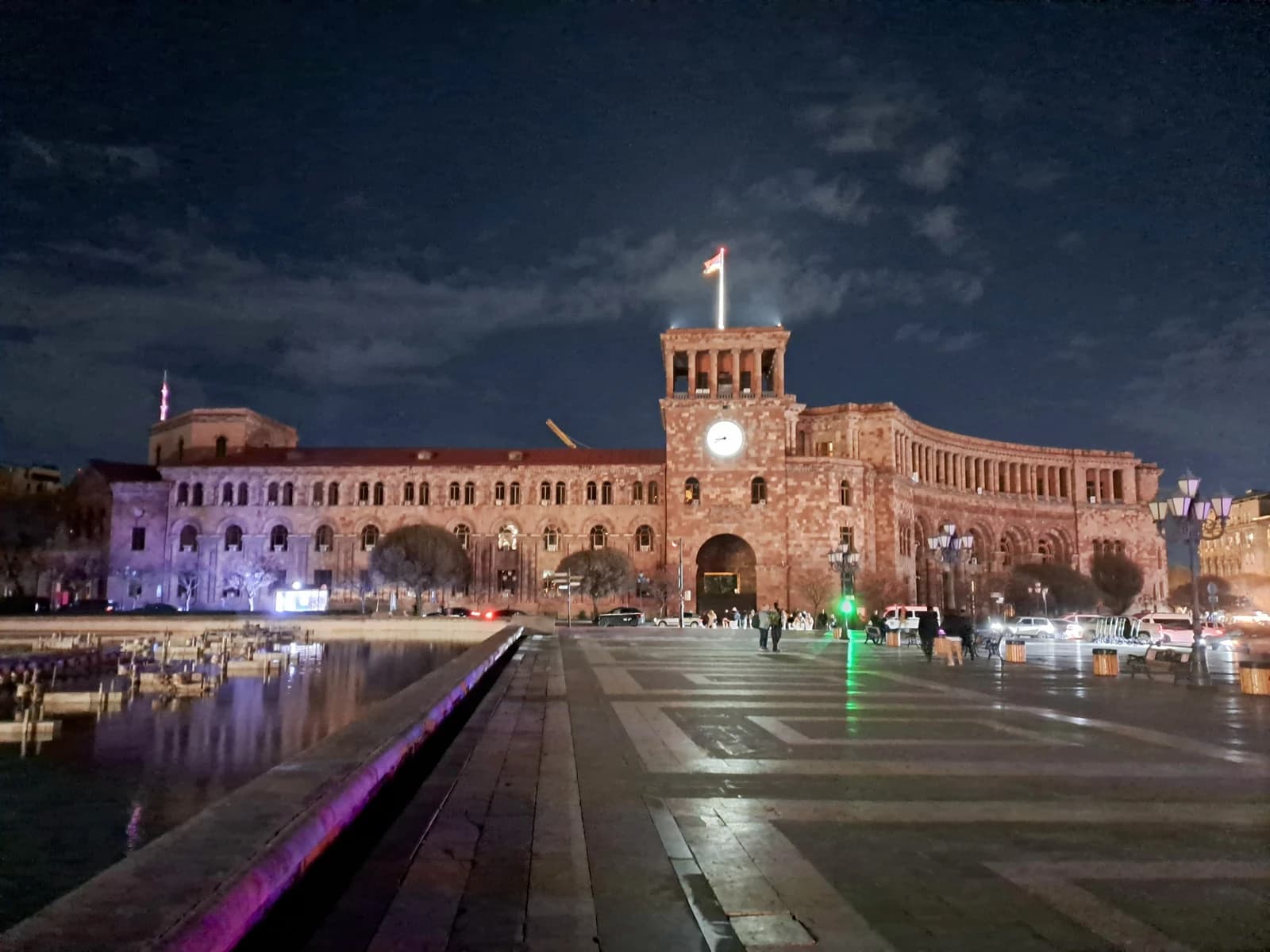
The draft budget is not just a spending plan; it is a signal that Yerevan is prepared to tolerate a bigger fiscal footprint to fund defense, health care and pensions even as public debt climbs. Expenditure is set to rise 12.24% from this year, while the deficit is projected at about $1.29 billion, implying fresh borrowing at a time when state debt had already reached about $14.3 billion by the end of August.
Defense remains the clearest priority. The Defense Ministry is slated to receive about 620 billion drams, or $1.7 billion, up roughly 9.5% from this year. That is still far below Azerbaijan’s planned $5.2 billion military budget, highlighting the regional imbalance that continues to drive Armenian spending decisions and investor risk perceptions. For a small economy with limited fiscal room, the increase reflects an uncomfortable trade-off: higher security outlays now, but less flexibility for growth-oriented spending later.
The budget also leans heavily into social and health policy, suggesting the government is trying to cushion households while preserving political support for tighter fiscal management. Health spending is set to jump 65% to about 350 billion drams, with most of the increase directed to a universal health insurance scheme that will be expanded from 2027 to cover workers earning less than 200,000 drams a month. The labor and welfare ministry will receive about 1.1 trillion drams, including roughly $1.85 billion for pensions, while the government plans to abolish funeral benefits and use part of the savings to lift the minimum pension by 1,000 drams.
For investors, the most important line item may be debt service. The finance ministry’s budget of 447 billion drams includes about $1.15 billion for repayments and interest, a large share of public spending that limits the government’s ability to stimulate the economy without adding still more debt. Armenia’s reliance on borrowing is also reinforced by external financing, including a 250 million euro loan, which helps bridge the deficit but deepens the country’s dependence on lenders and market access.
The budget therefore tells a broader story about Armenia’s policy mix: higher defense spending because regional security risks remain elevated, higher health and pension outlays to protect domestic demand, and higher debt costs because neither of the first two objectives is cheap. The upside is that the government is trying to preserve stability and social cohesion. The downside is that the fiscal path leaves little room for shocks, and any escalation in the region or slowdown in growth would make the financing burden harder to manage.
The draft still needs parliamentary approval, but investors will already be watching whether the final version preserves the balance between security, social spending and debt sustainability — or forces Armenia to choose more sharply among them.
| Entity | Gains | Losses |
|---|---|---|
| Armenian government | ▲Social stability, security funding | ▼Fiscal flexibility |
| Defense ministry | ▲Larger budget | ▼Other spending priorities |
| Pensioners and low-income households | ▲Higher minimum pension, broader coverage | ▼Funeral and some welfare benefits |
| Bondholders/lenders | ▲More debt service and financing demand | ▼Higher sovereign leverage risk |