Australia’s government knew for months that the tax office was weighing a ban on credit card payments, a delay that now raises political and fiscal questions after a backlash forced Canberra to reverse course and extend card acceptance until mid-2027.
Australia keeps ATO credit card payments until 2027
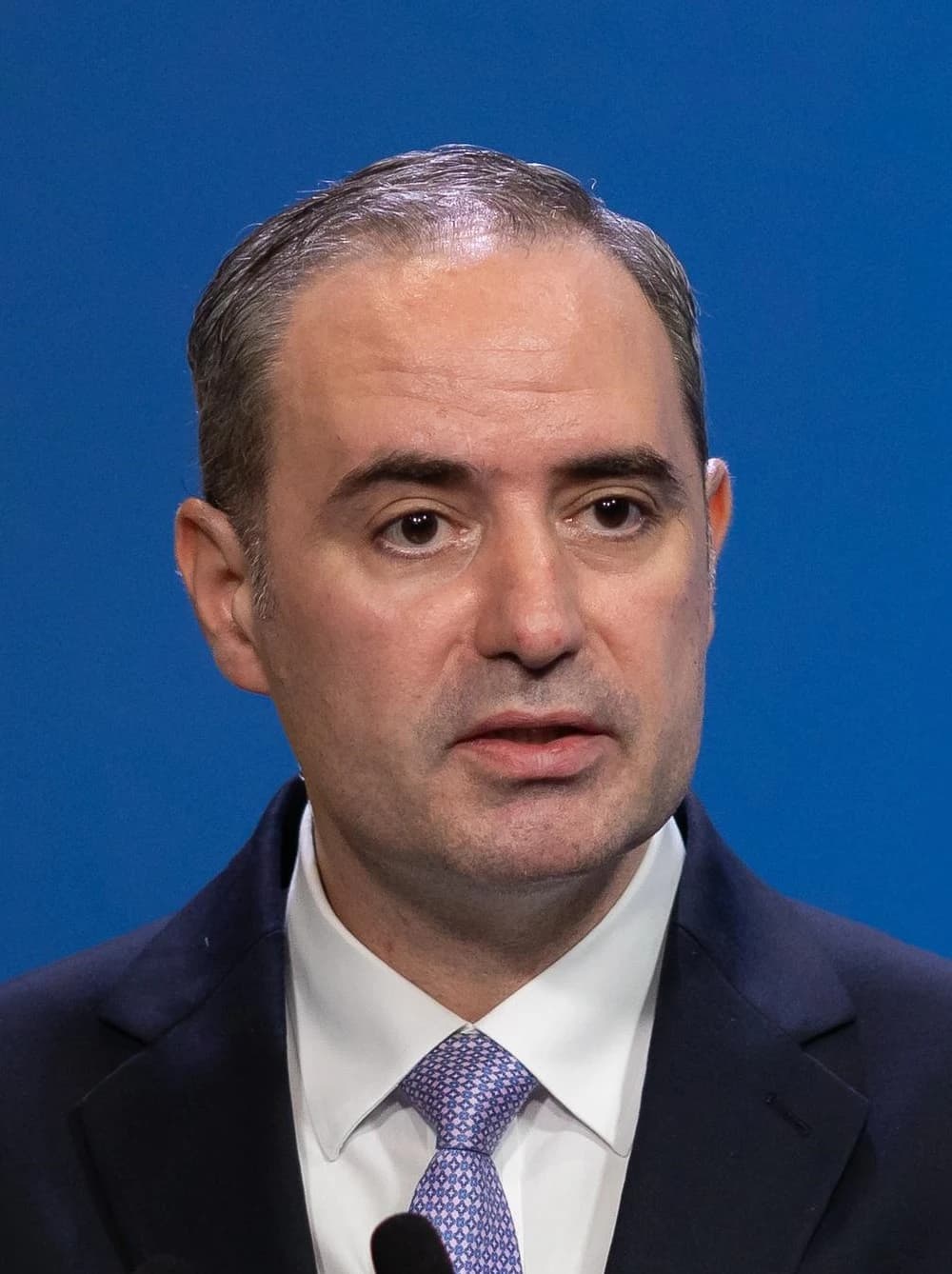
Assistant Treasurer Daniel Mulino said on ABC’s Insiders that ministers were aware in July the Australian Taxation Office was “looking at options” and preferred not to accept credit cards, weeks before the decision was announced publicly in late September. The revelation deepens scrutiny of how much the government knew, when it knew it and why it did not intervene sooner as small businesses warned the change would hit cash flow and compliance costs.
The ATO had said it could not absorb about A$200 million in annual costs tied to card payments, arguing that accepting credit cards indefinitely would have “very serious fiscal ramifications” for the budget. The issue escalated after the Reserve Bank of Australia moved to scrap card surcharges from Oct. 1, a change it said would save consumers about A$1.6 billion a year but would also force payment providers and public agencies to reconsider who pays transaction costs.
The government ultimately stepped in after the business backlash, with Prime Minister Anthony Albanese and Treasurer Jim Chalmers agreeing to underwrite the costs and keep credit cards accepted by the tax office until mid-2027. That intervention limits an immediate hit to small businesses that rely on cards for tax payments and removes a near-term disruption to cash collection, but it also leaves the government exposed to criticism that it mishandled consultation on a politically sensitive cost-of-business issue.
For investors, the episode is a reminder that payment processing economics remain vulnerable to policy changes, especially when regulators push to reduce consumer fees while public agencies try to protect budgets. Shares of Paymentus Holdings, which handles bill-pay infrastructure, have been volatile in recent months, with the stock closing at $32.96 on Oct. 20 after trading as high as $44.60 in early August; conventional technical indicators show the shares still below the 50-day moving average, while RSI has recovered to 65.7 from deeply oversold levels.
The broader risk is that governments facing budget pressure may keep shifting payment costs around rather than eliminating them, leaving banks, card networks and processors caught between consumer fee reform and public-sector austerity. Investors will now watch whether Canberra’s temporary fix becomes a template for other agencies, and whether the ATO’s debt-collection and payment policies draw further political pushback ahead of the next budget cycle.
| Entity | Gains | Losses |
|---|---|---|
| Small businesses | ▲Avoid immediate card-payment disruption | ▼Face ongoing policy uncertainty |
| ATO / federal budget | ▲Short-term costs contained | ▼Political credibility and budget optics |
| Card networks / processors | ▲Payment acceptance preserved | ▼Pricing pressure on fees |
| Government critics / opposition | ▲More material to attack | ▼Less room to frame ban as settled |