Australia is moving to let social media users opt out of algorithmic feeds, a regulatory shift that could force Meta Platforms, TikTok and Snap to change how their products keep users engaged and how they target ads.
Australia lets users opt out of algorithmic feeds
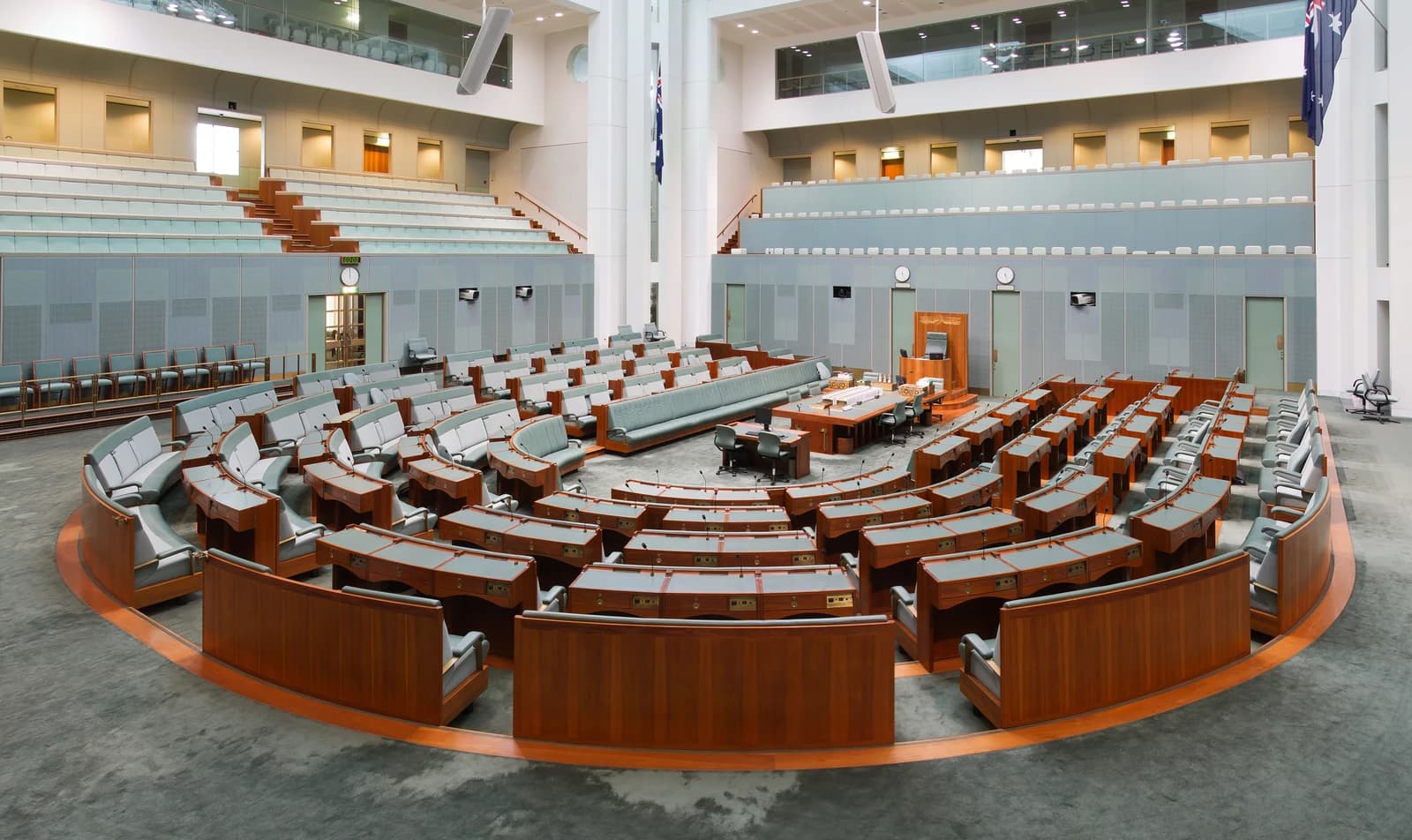
The proposed Digital Duty of Care bill would give Australian users the option to block content recommended by algorithms and choose what appears in their feeds instead, putting direct pressure on the recommendation engines that drive time spent on apps, ad inventory and user retention. For platforms that rely on personalized feeds to maximize engagement, the change could weaken the mechanics that underpin their business models.
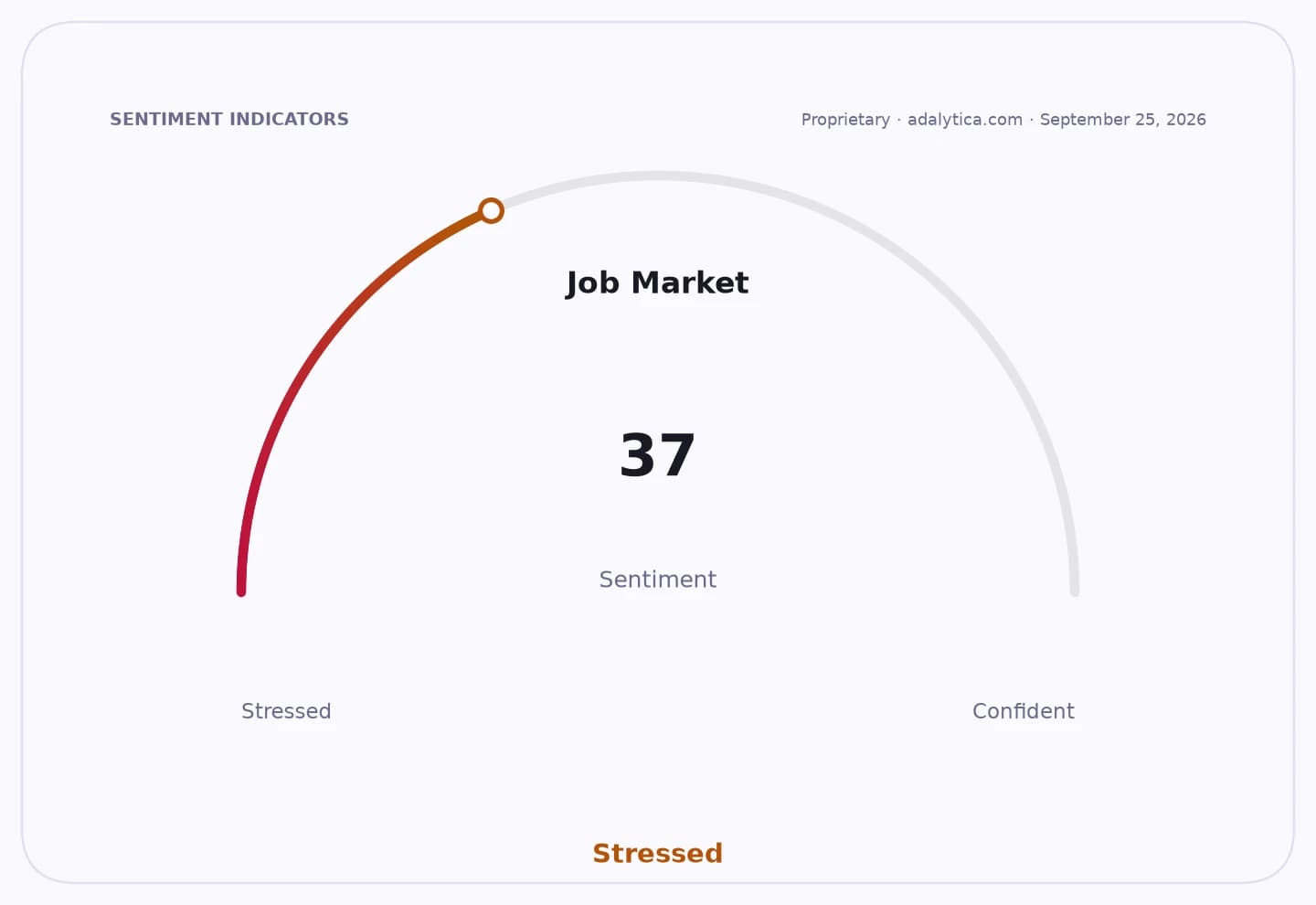
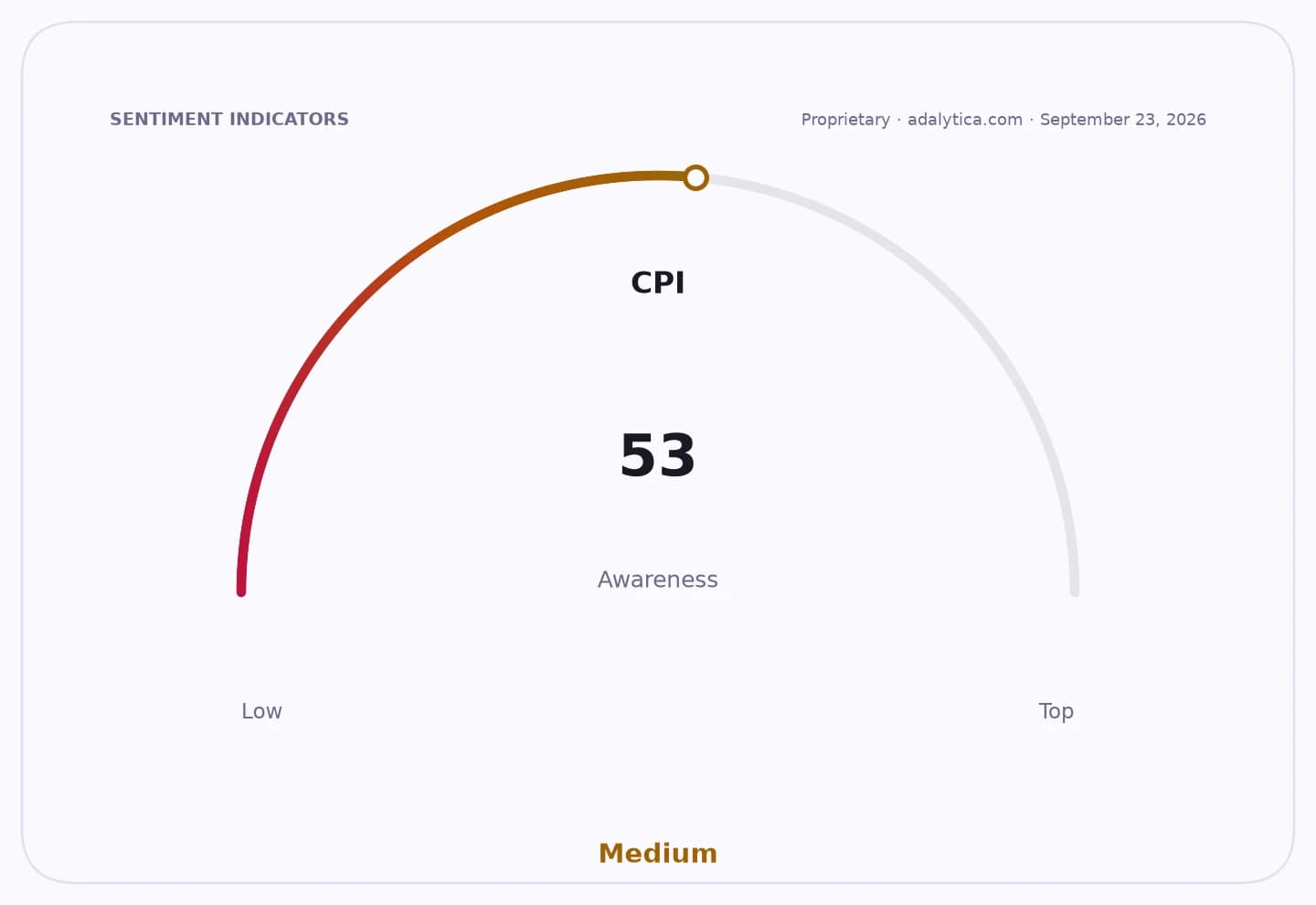
Sentiment IndicatorsⓘProprietary · adalytica.com · September 10, 2026
This is a snapshot — live sentiment, awareness and momentum for 130+ markets update continuously in the dashboard.Open AlphaPulse

The move adds to a global wave of scrutiny aimed at the addictive design of social media. Meta last month agreed to pay up to US$18 billion in settlements over state claims in the U.S., with some remedies requiring tighter youth safeguards, while the European Union has also been probing whether Meta’s products are addictive to children.
Australia’s proposal is especially notable because it follows the country’s world-first under-16 social media ban, which went live late last year and has already encouraged other governments to consider similar restrictions. Canberra is now shifting from age-based access controls to product-design rules, broadening the regulatory playbook beyond content moderation and into the architecture of the feed itself.

Penalties under the draft law could reach A$109.2 million, underscoring how seriously the government is treating compliance. Platform operators would also have to notify new and existing users of their choice over default feeds, raising the prospect of another costly product overhaul for companies already navigating tighter rules across the U.S., Europe and Asia.
Investors have reason to pay attention because recommendation algorithms are central to monetization across the sector. Any move that lowers engagement could pressure advertising revenue growth, while broader legal momentum raises the odds that similar rules spread to other markets, increasing compliance costs and limiting product flexibility for Big Tech.
The immediate focus now turns to the bill’s implementation details, which will determine how much control users actually get and how much discretion platforms retain. For Meta and peers, the bigger risk is not just Australia’s market, but the precedent it could set for regulators elsewhere.
| Entity | Gains | Losses |
|---|---|---|
| Australian regulators | ▲More control over platform design | ▼Higher enforcement burden |
| Users and parents | ▲More feed choice and safety controls | ▼Less algorithmic curation |
| Meta, TikTok, Snap | ▲Limited clarity on rollout | ▼Product changes, compliance costs |
| Other global regulators | ▲New template for rules | ▼Pressure to match Australia |