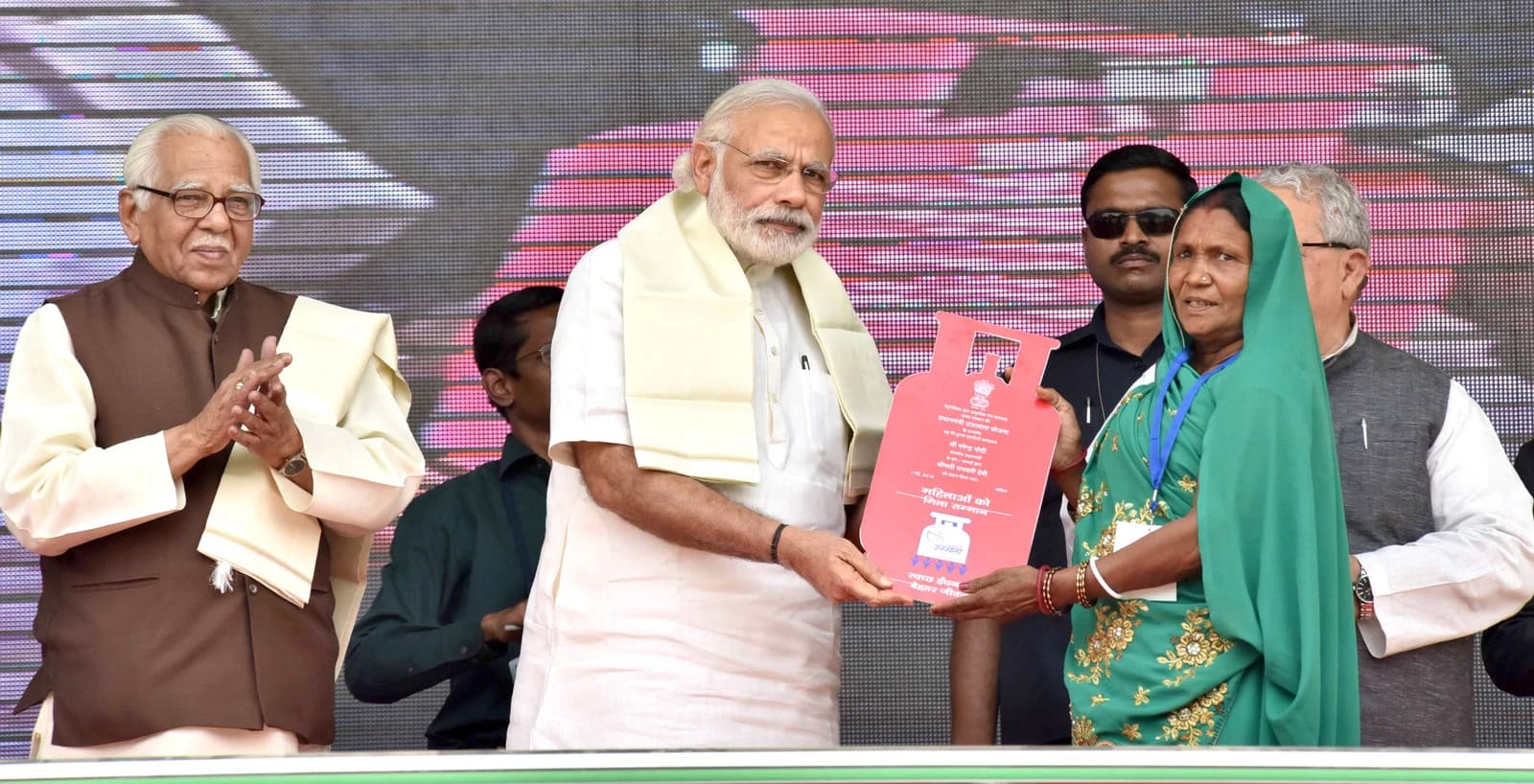
India’s flagship publicly funded health insurance scheme has reached a scale that makes it one of the country’s most important social-policy programs, with the government saying Ayushman Bharat now covers more than 60 crore people and offers treatment support of up to 5 lakh rupees a family a year.
Ayushman Bharat Covers Over 60 Crore in India
The eighth anniversary matters less as a ceremonial milestone than as a reminder that health care access has become a core economic policy lever in India. By insulating poorer and middle-income households from catastrophic medical bills, the scheme is designed to reduce forced borrowing, protect consumption and support labour participation when illness strikes. For a country still wrestling with uneven access to quality care, that has broad macroeconomic consequences.
Sentiment IndicatorsⓘProprietary · adalytica.com · September 27, 2026
This is a snapshot — live sentiment, awareness and momentum for 130+ markets update continuously in the dashboard.Open AlphaPulse
Prime Minister Narendra Modi used the anniversary to highlight the program’s reach, saying on X that more than 60 crore beneficiaries are now covered and that Ayushman health and wellness centres have recorded more than 500 crore visits. Those numbers are meant to show not only demand for subsidised care, but also the government’s effort to push treatment closer to the community level and strengthen primary health infrastructure.
For investors, the significance is indirect but real. A larger publicly funded health system tends to change the shape of demand across the sector, supporting hospitals, diagnostics, insurers and pharma while also increasing the influence of the state in pricing and reimbursement. The beneficiaries are obvious: low-income patients and families with little financial cushion. The pressure points are also clear: private payers, insurers and drugmakers operating in a market where government health programs increasingly set the terms of access.
The policy also has political value. Universal-coverage messaging has become central to New Delhi’s welfare narrative, and the government is using Ayushman Bharat to argue that healthcare delivery is improving not just in metros but in districts and smaller towns. News that Varanasi topped Uttar Pradesh’s health performance rankings in August underscores how the program is being tied to local service delivery outcomes as much as headline coverage figures.
Still, the scale of the scheme does not settle the debate over quality, utilisation or fiscal sustainability. Supporters will argue that extending protection to hundreds of millions is the only credible way to cut India’s out-of-pocket health burden. Skeptics will point to execution risks, uneven hospital participation and the cost of expanding entitlement programs over time.
For markets, the broader takeaway is that India’s health-care framework is becoming more interventionist and more data-driven, with public spending and private delivery increasingly intertwined. That supports volumes in parts of the health ecosystem, but it also raises the bar for efficiency and pricing discipline as the state’s role grows.
| Entity | Gains | Losses |
|---|---|---|
| Ayushman Bharat beneficiaries | ▲Lower medical bills | ▼Catastrophic health costs |
| Indian government | ▲Welfare credibility | ▼Fiscal burden over time |
| Hospitals and diagnostics | ▲More insured patients | ▼Greater reimbursement scrutiny |
| Private insurers and payers | ▲Broader health awareness | ▼Less pricing flexibility |