Even Americans with health insurance are falling behind on medical bills, a sign that rising out-of-pocket costs are turning coverage into an increasingly fragile financial buffer.
U.S. Insured Adults Face Rising Medical Debt
A new Commonwealth Fund survey found that one in three U.S. adults with employer, Affordable Care Act marketplace or private insurance say they are paying medical debt over time, while nearly half of those in debt owe at least $2,000. The findings point to a problem that is no longer confined to the uninsured: roughly 15% of working-age, privately insured adults now carry medical debt, with hospital visits the biggest source of unpaid bills.
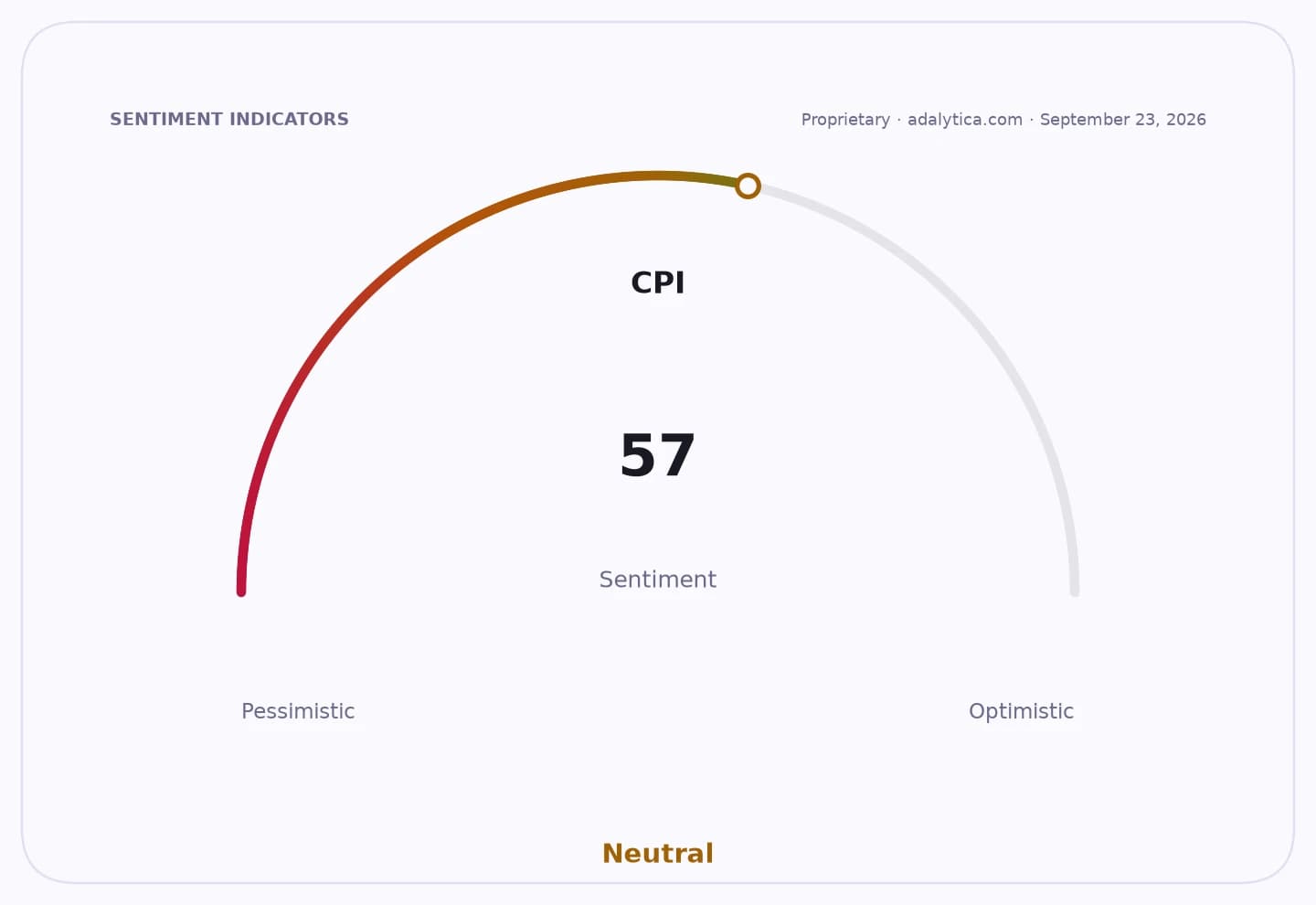
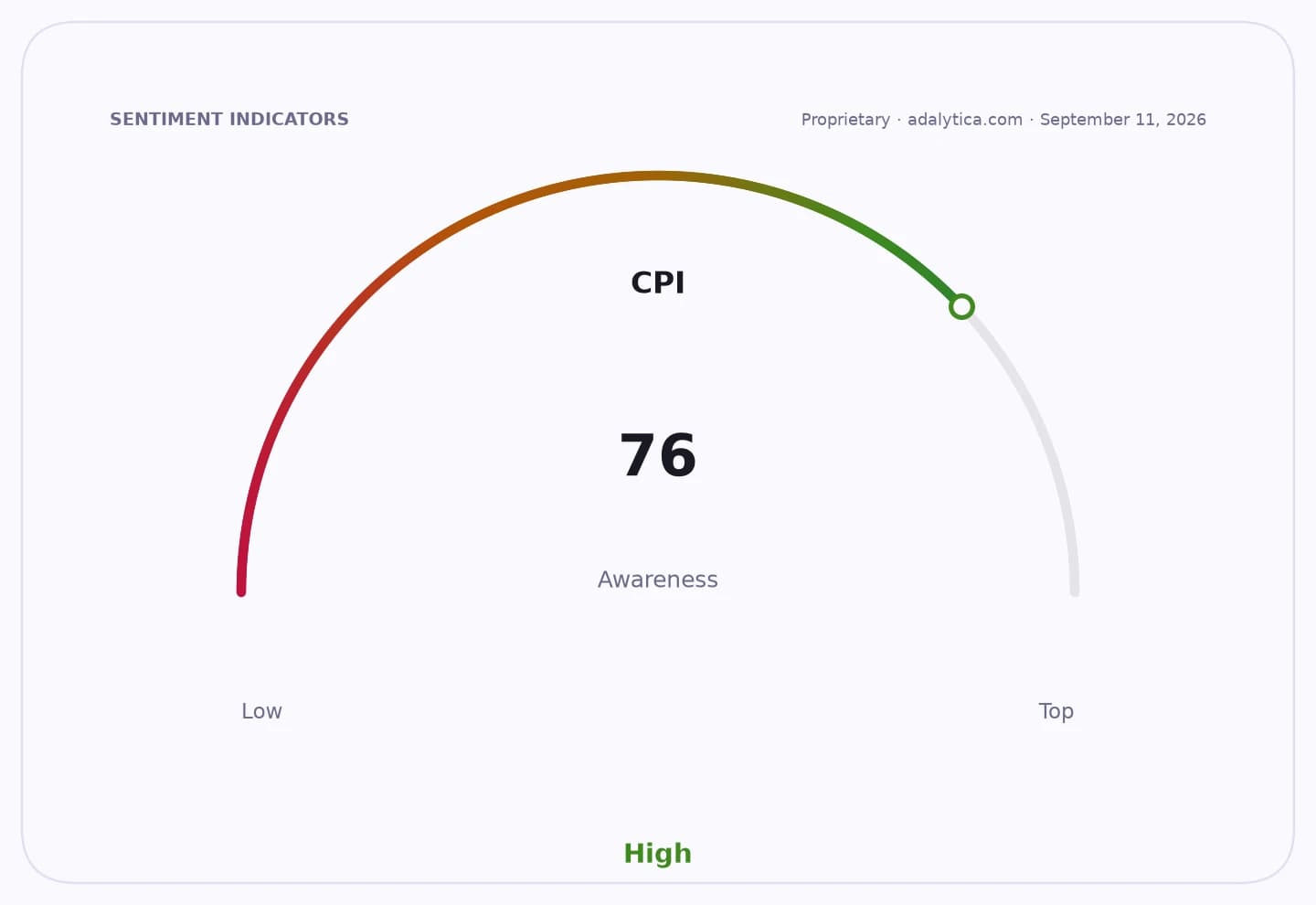
Sentiment IndicatorsⓘProprietary · adalytica.com · September 19, 2026
This is a snapshot — live sentiment, awareness and momentum for 130+ markets update continuously in the dashboard.Open AlphaPulse
That matters economically because medical debt is not just a health-care issue; it is a drain on household balance sheets. The survey found 37% of people with medical debt drained savings to cover bills, 30% cut back on spending, and 30% delayed or skipped care. In a consumer economy that still depends heavily on discretionary spending, that kind of financial strain can weaken demand at the margin, especially for lower-income households already living close to the edge.
The scale of the burden also helps explain why health-care costs remain politically explosive. Sara Collins, the report’s lead author, said the core problem is the extent to which insurance fails to cover out-of-pocket costs. That leaves families exposed to deductibles, copays and denied claims even when they have nominal coverage. The result is a slow-moving transfer of stress from insurers and providers to households, with debt collection, credit damage and care avoidance becoming part of the system’s normal operating cost.
Investors should read the findings as another reminder that U.S. health care is still wrestling with affordability rather than access alone. For insurers such as UnitedHealth Group, Cigna and CVS Health’s Aetna, the debate around prior authorizations, benefit design and premium pricing is likely to intensify as consumers become more sensitive to unexpected bills. Hospitals and physician groups may collect some of the revenue eventually, but the report suggests the path to payment is growing longer and more contentious, raising administrative costs and collection risk.
The backdrop is an economy where inflation has moderated but household budgets remain stretched by essentials, making medical shocks harder to absorb. Even with unemployment low, a $2,000 bill can force families to choose between rent, groceries, savings and treatment. That makes medical debt a drag on both near-term consumption and long-term financial resilience, while also increasing the likelihood that patients defer care until conditions worsen and costs rise further.
For investors, the key question is whether insurers, providers and policymakers can reduce the gap between insured and affordable. Without some combination of lower cost-sharing, cleaner billing practices and more transparent coverage, the burden of medical debt is likely to keep shifting to households — and with it, pressure on the broader consumer economy.
| Entity | Gains | Losses |
|---|---|---|
| Insurers | ▲higher premium pricing power | ▼more consumer backlash |
| Hospitals/providers | ▲eventual bill collection | ▼slower cash recovery |
| Households with insurance | ▲little immediate gain | ▼debt, savings drawdown |
| Retailers/discretionary sellers | ▲some resilience if medical bills ease | ▼weaker spending if debt persists |