Family debt burdens are increasingly pushing Vietnam’s middle-aged breadwinners into psychiatric care, underscoring how private leverage can become a public health and productivity problem when one worker is expected to absorb the losses of an entire household.
Vietnam Family Debt Stress Hits Middle-Aged Workers
The cases of Hoàng, 42, and Minh, 38, illustrate the economic damage behind the trauma. Both became trapped in repeated requests to “rescue” relatives from debt, draining savings, straining marriages and triggering anxiety, depression and self-harm. Clinicians at central psychiatric hospitals say the number of patients aged 35 to 50 admitted with mental breakdowns tied to household financial pressure is rising sharply.
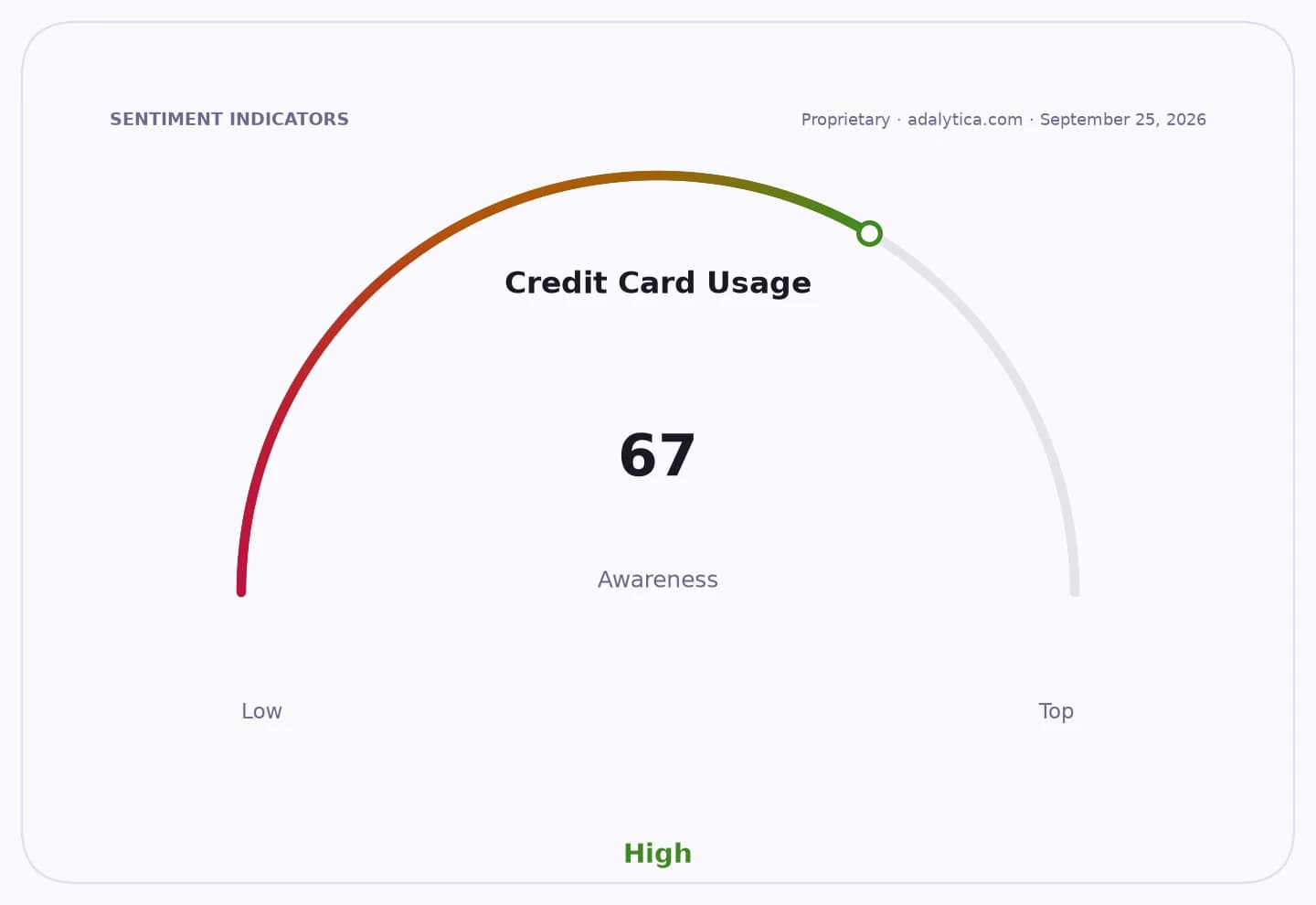
Sentiment IndicatorsⓘProprietary · adalytica.com · September 18, 2026
This is a snapshot — live sentiment, awareness and momentum for 130+ markets update continuously in the dashboard.Open AlphaPulse
That matters beyond the individual tragedies. In a labor market where the 35-to-50 cohort is typically at peak earning power, prolonged stress can reduce productivity, raise absenteeism and increase the risk of disability. The burden also spreads through the family balance sheet: emergency savings are diverted, school fees are delayed and retirement planning is pushed aside, increasing long-run financial fragility even when incomes are stable.
Vietnam’s story reflects a broader consumer-debt and social-pressure problem seen elsewhere in Asia and in other indebted households globally. When relatives are pulled into repayment cycles involving failed businesses, informal lending or high-interest borrowing, the cost is not just the original debt. It becomes a transfer of risk from the borrower to the highest-earning family member, often with no legal exit and heavy emotional coercion.
For investors, the immediate implication is not a direct earnings hit to listed lenders, but a warning signal about household balance-sheet stress that can eventually feed into credit performance, spending patterns and insurance or healthcare demand. The backdrop is one of still-manageable labor-market conditions in the broader economy, but household distress can accumulate quietly before showing up in delinquency data. U.S. market indicators in the context also show a mixed risk tone, with the S&P 500 sentiment gauge neutral, payroll fear elevated and the 10-year Treasury yield near 5%, a reminder that tighter financial conditions can worsen stress on leveraged consumers.
The article’s deeper narrative is that “rescuing” family debt can become a destructive form of enabling. What begins as filial duty can end in medical treatment when the same worker is repeatedly asked to cover losses he did not create. The turning point for Hoàng was not a new loan, but finally telling his brother: “I stop here.”
For investors and policymakers, the watchpoint is whether family debt stress remains a hidden social issue or starts to show up in consumer defaults, household consumption and demand for mental-health services. If the pressure keeps building, the economic cost will extend far beyond the family living room.
| Entity | Gains | Losses |
|---|---|---|
| Overextended family breadwinners | ▲Preserve savings and health by setting limits | ▼Short-term family criticism |
| Indebted relatives | ▲Face consequences of their borrowing | ▼Access to unconditional bailouts |
| Employers | ▲Benefit from healthier, more stable workers | ▼Absenteeism from untreated stress |
| Consumer lenders | ▲Less distortion from repeated informal rescues | ▼Risk if household distress spreads to formal delinquencies |