More households are turning to nonprofit credit counselors as inflation, high borrowing costs and pandemic-era debt keep pressure on budgets, with one Los Angeles business owner saying a $60,000 debt load that once looked overwhelming is now on track to be paid off in a year after getting help negotiating lower card rates.
U.S. households seek credit counseling as debt stress rises
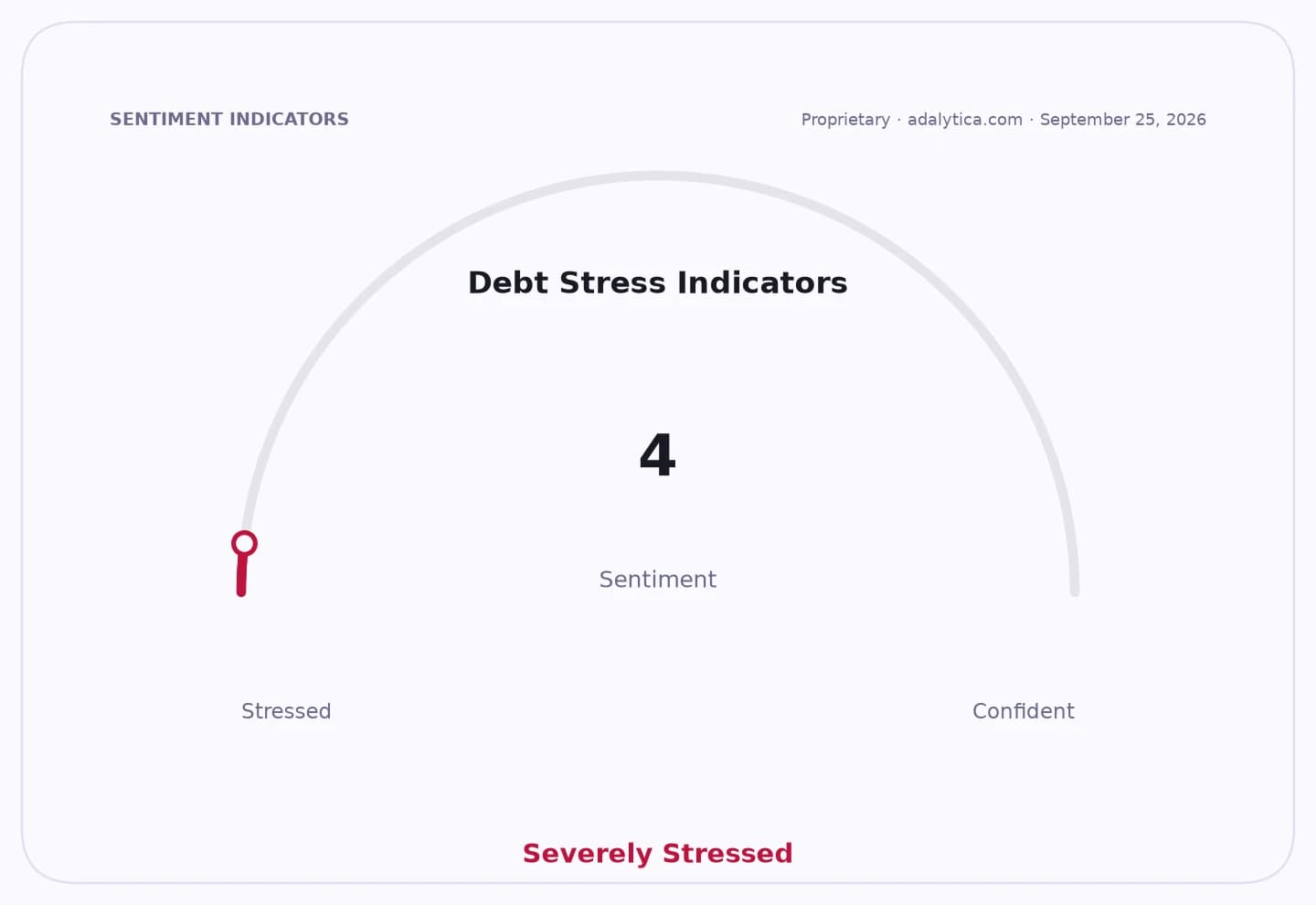
The story matters because consumer balance sheets remain under stress even as the labor market holds up. U.S. unemployment is still low at 4.1%, but the broader cost backdrop has not eased enough to remove the strain for many families, with consumer prices still elevated and households still carrying expensive revolving debt.
Sentiment IndicatorsⓘProprietary · adalytica.com · September 10, 2026
This is a snapshot — live sentiment, awareness and momentum for 130+ markets update continuously in the dashboard.Open AlphaPulse
For people like Maria Gonima, who built up the debt while trying to keep her public relations firm afloat during COVID-19, the difference came from structured counseling rather than apps or artificial intelligence. Money Management International said it reviews finances, contacts creditors and helps clients secure lower interest rates, a process that can turn unsecured balances into a realistic repayment plan.
Counselors say the demand is increasingly coming from millennials, many of whom are leaning on buy now, pay later products and credit cards to bridge living expenses. That fits a broader picture of consumer caution, with household debt pressures surfacing across markets and sectors even as headline employment data remains stable.
The backdrop also matters for lenders and credit investors. High-yield credit spreads remain contained at about 2.67 percentage points, but persistent household strain can still feed higher delinquencies and heavier loss reserves for card lenders, auto financiers and other consumer-credit names if borrowing costs stay sticky.
For investors, that means the health of consumer finance remains a stock-specific and macro risk. Shares of Ally Financial and Synchrony Financial have moved around recent earnings and credit trends, and further evidence of stressed borrowers would keep focus on charge-offs, provisioning and the durability of consumer spending.
The next test is whether easing inflation and steadier rates actually reach households quickly enough to reduce dependence on debt counseling, or whether more families follow Gonima’s path and seek outside help before balances become unmanageable.
| Entity | Gains | Losses |
|---|---|---|
| Nonprofit credit counselors | ▲More demand for services | ▼Less room for denial |
| Overextended households | ▲Lower rates, repayment plans | ▼Rising interest burdens |
| Consumer lenders | ▲Earlier borrower engagement | ▼Higher default risk if strain persists |
| Credit investors | ▲Clearer read on consumer stress | ▼Wider losses if delinquencies rise |