Infonavit borrowers who can no longer keep up with their mortgage payments are being steered toward restructuring and payment-relief options as rising household stress ripples through Mexico’s housing market.
Mexico Infonavit Borrowers Get Mortgage Relief Options
The issue matters because missed mortgage payments are no longer just a consumer problem; they are becoming a balance-sheet and policy question for one of the country’s biggest housing institutions. As inflation, wage erosion and broader household pressure squeeze borrowers, the ability to prevent a wave of arrears from turning into forced sales or deeper credit deterioration is increasingly important for financial stability.
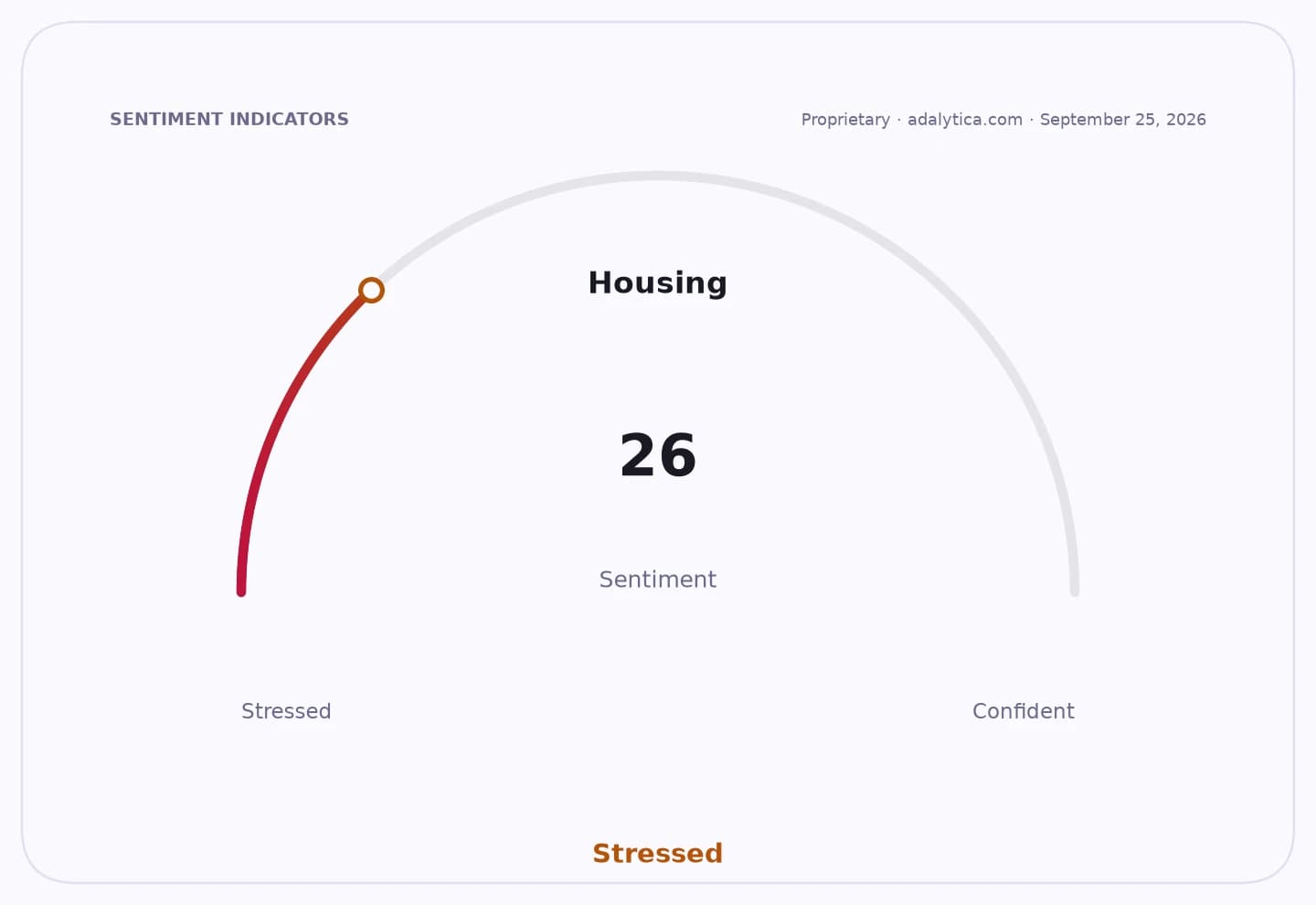
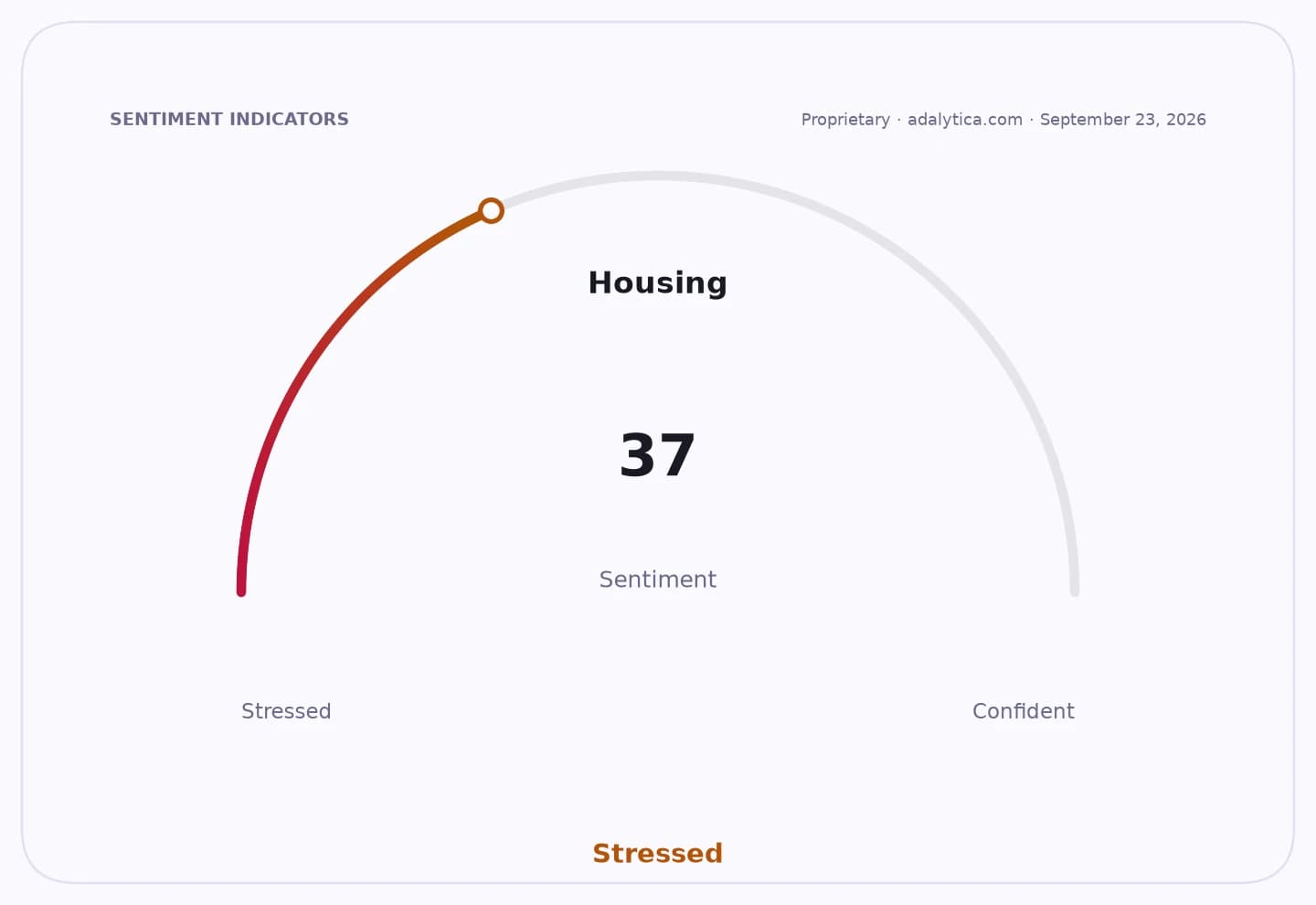
Sentiment IndicatorsⓘProprietary · adalytica.com · September 19, 2026
This is a snapshot — live sentiment, awareness and momentum for 130+ markets update continuously in the dashboard.Open AlphaPulse
For investors, the message is that mortgage stress is shifting from a headline social concern to a measurable credit risk. In Mexico and across housing finance systems, affordability strain tends to show up first in delinquency trends, then in servicing costs, and eventually in pricing for lenders, guarantors and securitizations linked to residential credit.
That makes Infonavit’s guidance on what borrowers should do if they cannot pay more than a consumer-service notice. It is part of a broader effort to contain default risk before it spills into the housing stock and the wider economy. Similar pressure has been visible elsewhere in the credit chain: Freddie Mac said its single-family serious delinquency rate rose to 0.60% at the end of June from 0.55% at the end of March, while its multifamily delinquency rate also edged higher, citing elevated rates and stress in smaller balance loans. Private mortgage insurer Radian has also pointed to servicing and delinquency risk in its latest filing.
The backdrop is one of stretched households and tighter financing conditions. Higher borrowing costs have made it harder for lower- and middle-income borrowers to refinance or absorb payment shocks, while rising living expenses and stagnant real wages leave less room to stay current. In that environment, restructuring programs can buy time, but they do not eliminate the underlying affordability problem.
For borrowers, the practical benefit is a chance to avoid immediate default, preserve housing and keep credit damage contained. For Infonavit, the upside is lower delinquency migration and less pressure on collections. The bear case is that relief measures only delay recognition of trouble if incomes do not recover, leaving the system to absorb losses later.
Investors will watch whether payment-modification efforts slow delinquency growth or simply mask it. The key indicator is whether housing stress remains isolated to the most vulnerable borrowers or broadens into a wider deterioration in repayment behavior, which would carry implications for Mexico’s housing finance ecosystem and any institutions exposed to it.
| Entity | Gains | Losses |
|---|---|---|
| Infonavit borrowers | ▲Payment relief | ▼Immediate default risk |
| Infonavit | ▲Slower delinquency buildup | ▼Higher servicing burden |
| Mortgage investors | ▲Fewer near-term losses | ▼Delayed loss recognition |
| Housing market | ▲Less forced selling | ▼Continued affordability stress |