Azerbaijan’s plan to push healthcare spending to about 5% of budget outlays in 2027 is a meaningful fiscal shift because it shows the state is committing more money to a sector that has already become too large to fund through the core budget alone.
Azerbaijan healthcare spending to rise 63% by 2027

Finance Minister Sahil Babayev said healthcare spending will reach 2.1 billion manats in 2027, up 63% from 2025, while consolidated health spending - including mandatory medical insurance - is projected at 4 billion manats, or 36% higher than 2025. That gap matters: it underlines that the real burden of healthcare is being carried not just by the budget, but increasingly by quasi-fiscal and insurance channels that investors and policymakers should watch closely.
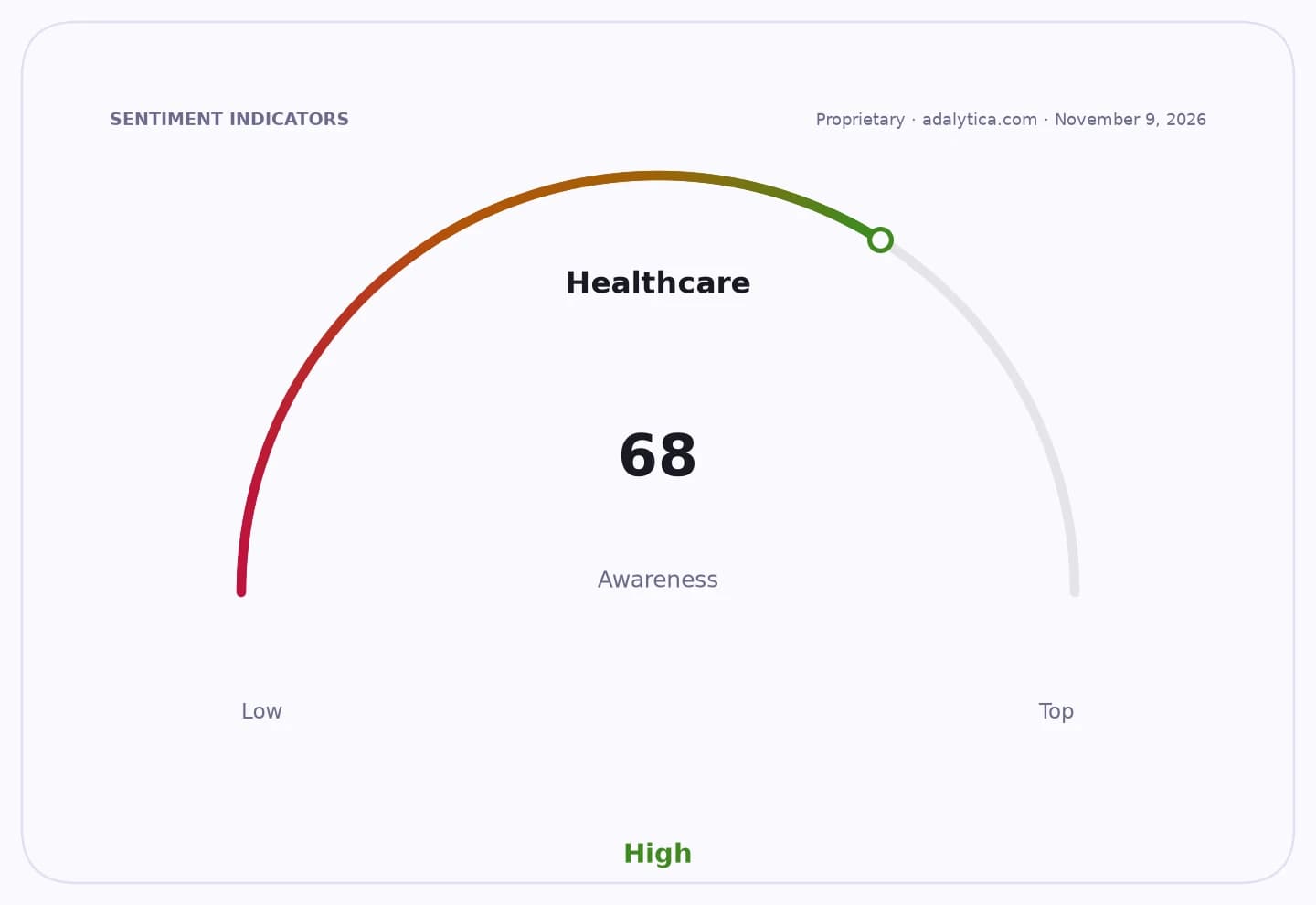
Sentiment Indicators
For Azerbaijan, this is not just a social policy line item. It is a signal that health costs are rising fast enough to reshape spending priorities inside the public sector, even as the government prepares its 2027 budget. Bigger health outlays can support demand for hospitals, pharmaceuticals, diagnostics and medical services, but they also tighten room for other spending unless revenue growth keeps pace.
The investment case is straightforward: when a government moves from incremental health funding to a 63% jump over two years, the winners are the suppliers that live on public reimbursement and infrastructure spending. The market often underestimates how quickly healthcare budget growth can feed into procurement, equipment upgrades, insurance administration and service volumes. At the same time, the state’s reliance on consolidated spending means the next phase of growth may be determined as much by insurance policy and reimbursement rates as by the headline budget itself.
That makes 2027 a potential inflection point for Azerbaijan’s health economy. If the budget is the first leg, the bigger opportunity may come from the broader system built around mandatory medical insurance, where funding growth can translate into durable volume expansion. Investors should be looking for the companies and sectors exposed to that spending stream, while recognizing that fiscal pressure will keep the government selective on where the money goes.
| Entity | Gains | Losses |
|---|---|---|
| Healthcare providers | ▲Higher reimbursement volumes | ▼Budget dependence risk |
| Medical insurers | ▲Larger premium base | ▼Higher claims pressure |
| Pharma and medtech suppliers | ▲More procurement demand | ▼Pricing scrutiny |
| Other budget sectors | ▲— | ▼Crowding-out risk |