Australia’s plan to rein in National Disability Insurance Scheme spending is running into resistance just as the Albanese government is under pressure to tighten the budget and show it can slow the fastest-growing part of public outlays.
Australia NDIS savings plan faces Treasury doubts

Treasury chief actuary Guy Thorburn has told the National Disability Insurance Agency he has not seen enough evidence to judge whether the government’s proposed $38.2 billion in savings over four years is actually achievable. That matters because the NDIS is one of Canberra’s biggest fiscal challenges: if costs keep outrunning forecasts, the budget books get harder to balance, borrowing needs stay higher for longer and other spending priorities face a squeeze.
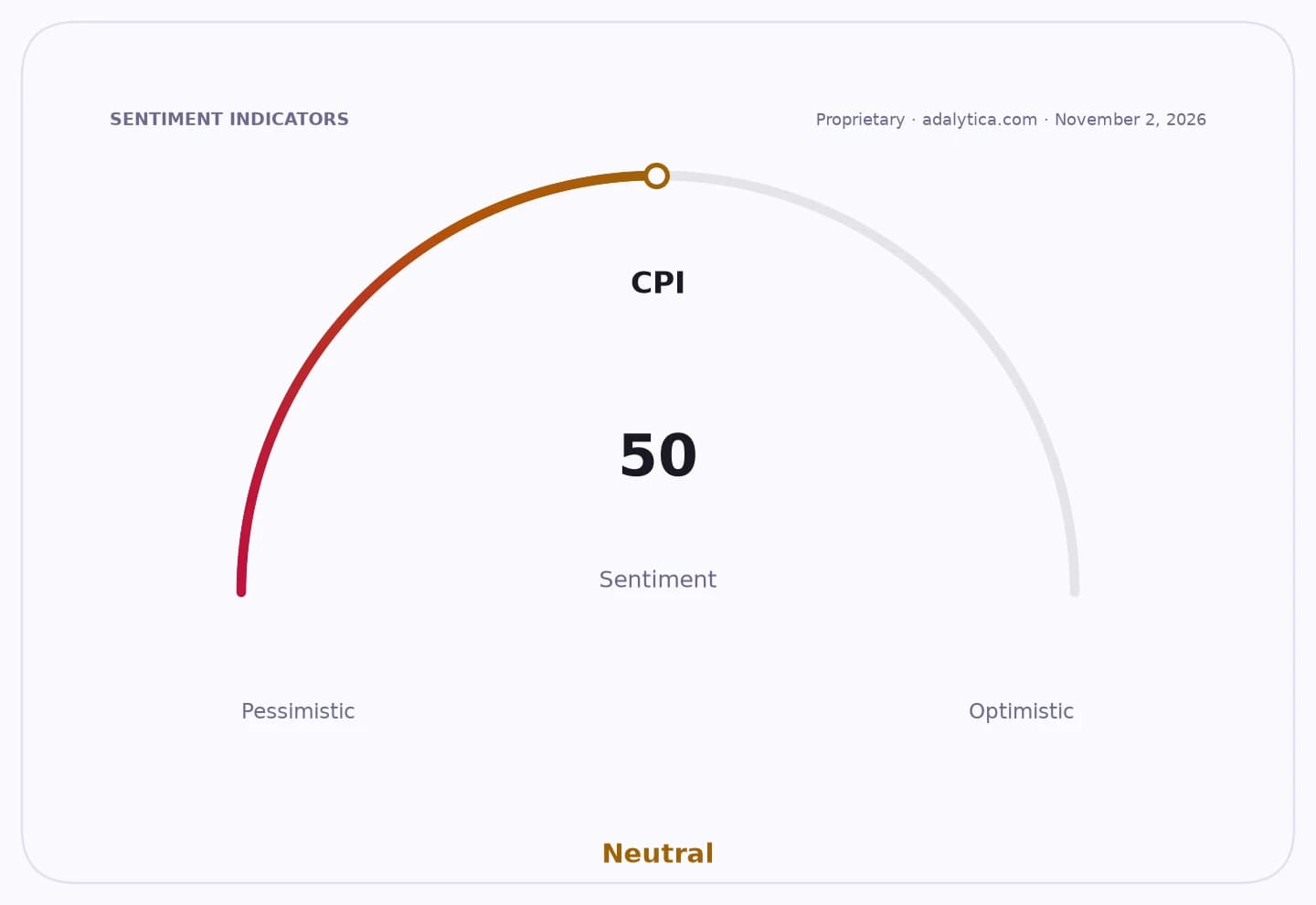
Sentiment Indicators

For investors, the issue is less about one line item and more about what it says about fiscal discipline in a higher-rate world. Governments can usually absorb some slippage, but when a major program keeps expanding faster than promised, the market starts to ask who pays. The answer is typically some combination of lower room for tax cuts, less discretionary spending, and more pressure on bond issuance. That is why budget credibility matters to anyone watching sovereign debt, rates and the currency.
The Treasury letter also highlights a familiar policy problem: governments often announce ambitious savings before the administrative machinery is in place to deliver them. In this case, the actuary’s doubts suggest the NDIA has not yet provided enough detail to prove it can control demand growth, improve eligibility settings or curb cost creep across the scheme. Without that proof, the savings target risks looking more like an aspiration than a forecast.
That uncertainty comes at an awkward time for the Albanese government, which will face renewed scrutiny over spending in the upcoming budget update. The political case for restraint is obvious, but so is the social sensitivity of cutting a scheme designed to support people with disabilities. Any attempt to slow growth will have to balance fiscal arithmetic against service delivery, and that makes execution far more difficult than setting a headline target.
For long-term investors, the takeaway is straightforward: this is a reminder that budget repair is rarely clean, especially when it depends on restraining structural spending. Markets tend to reward governments that can show credible savings and punish those that rely on optimistic assumptions. Until Canberra proves the NDIS can be brought under control, the savings plan should be treated with caution and the budget risk remains worth watching.
| Entity | Gains | Losses |
|---|---|---|
| Australian budget hawks | ▲Greater pressure for restraint | ▼Slower path to fiscal repair |
| NDIA/NDIS administrators | ▲Little immediate gain | ▼Credibility and budget trust |
| Bondholders in Australian sovereign debt | ▲Potentially better fiscal discipline if savings stick | ▼Higher issuance risk if costs keep rising |
| NDIS recipients and service providers | ▲More policy certainty if a durable fix is found | ▼Risk of tighter eligibility or slower spending growth |