Azul is using its post-restructuring balance sheet to keep pressure on TAP’s former parent over a 189 million-euro loan, a dispute that could recover cash for the Brazilian carrier while testing how far cross-border airline claims can be enforced in court.
Azul Pursues 189 Million Euro TAP Claim
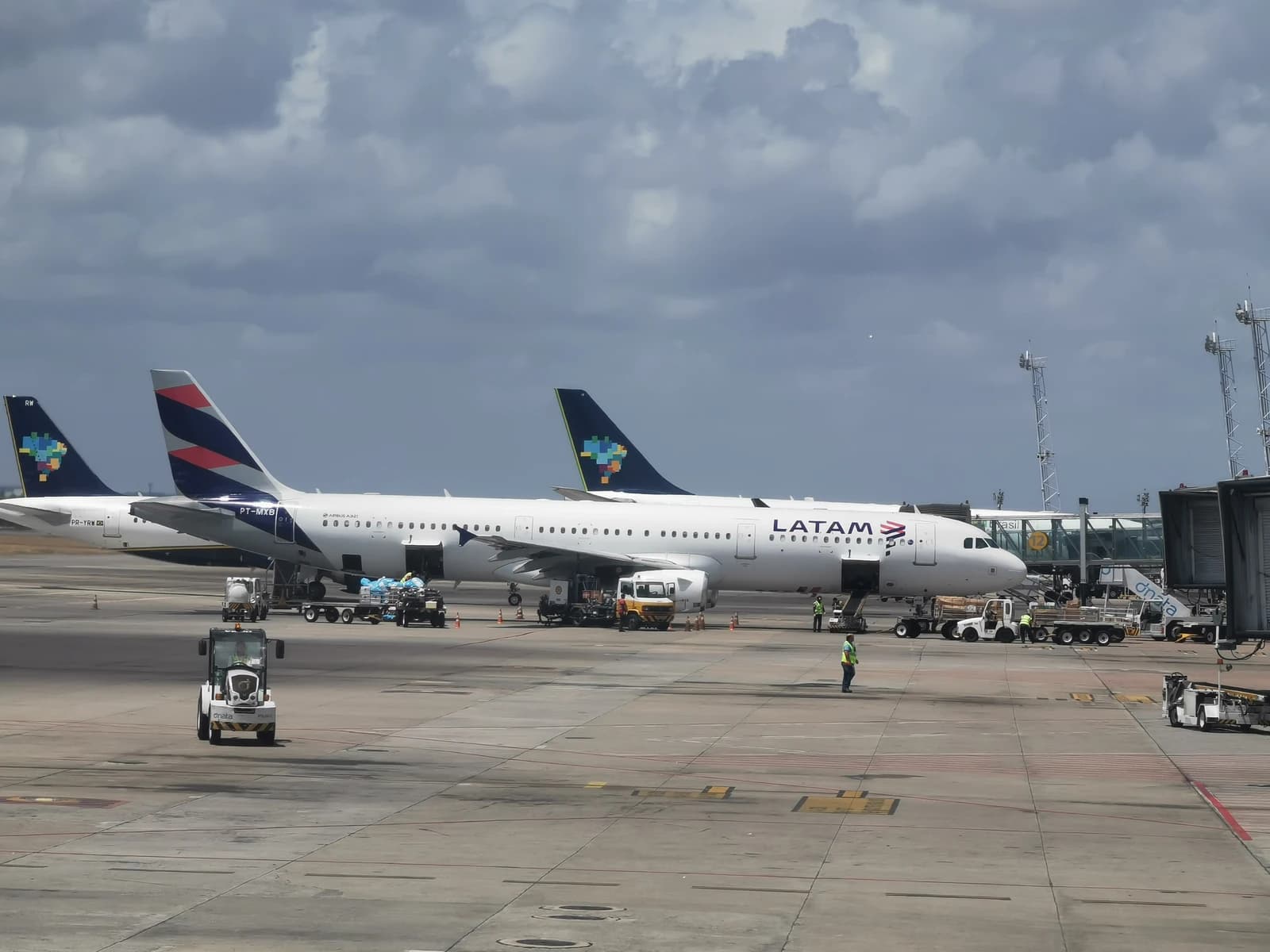
The stakes go beyond a single receivable. Azul has spent the past year repairing its capital structure, cutting total debt by about R$13 billion and reducing leverage after a U.S. Chapter 11 process. That gives the carrier more room to pursue legacy claims that were once more of a distraction than a strategic lever. If the 189 million euros are recovered, Azul gets a meaningful boost to liquidity and a cleaner path toward deleveraging; if not, the company still signals that it intends to defend shareholder value aggressively rather than write off old disputes.
Sentiment IndicatorsⓘProprietary · adalytica.com · September 19, 2026
This is a snapshot — live sentiment, awareness and momentum for 130+ markets update continuously in the dashboard.Open AlphaPulse
Fábio Campos, Azul’s vice-president for institutional and corporate affairs, said in Lisbon that “every loan that is made, we hope to receive back,” adding that the matter is now in the judicial process. The comment came after Portugal’s public prosecutor reportedly said the insolvency of TAP SGPS, now renamed Siavilo, was fortuitous rather than wrongful — a view that cuts against Azul’s argument that assets were shifted to avoid repayment.
Azul filed its claim in Lisbon in March, seeking payment on a bond loan it says was extended in 2016. The Brazilian airline argues that TAP SGPS functioned largely as a vehicle for TAP SA and that the insolvency process was triggered only when it became strategically convenient. That is not just legal sparring: it is a fight over whether the restructuring of a national airline holding company can be used to sidestep a creditor with a large, documented claim.
For investors, the significance is twofold. First, Azul is still in recovery mode despite its recent refinancing success, and every recovery matters as the company shifts from survival to execution. Second, the case highlights a broader theme in aviation: once airlines deleverage, legacy liabilities, intercompany claims and cross-border partnerships become central to equity value. Azul’s ability to monetize old claims or force settlements may prove as important as near-term traffic trends.
The dispute also sits alongside a commercial reality that both sides want to preserve. Azul says it still wants to remain TAP’s partner regardless of ownership, because the alliance gives it access to European connectivity while TAP helps funnel passengers into Brazil. Azul operates daily flights between Campinas and Lisbon and Porto, making the partnership strategically useful even as the debt fight continues.
That duality is what matters most to the market. Airlines can be locked in litigation and still remain economically aligned when route networks, feed traffic and long-haul connectivity create shared value. For Azul, the court case is less about symbolism than about extracting value from a balance sheet it has worked hard to repair. For TAP, the risk is not just legal exposure but the possibility that creditor pressure remains a live issue even after restructuring.
The next catalyst is the pace of the Lisbon case and whether the court accepts Azul’s view of the 2016 financing. A favorable ruling would strengthen Azul’s cash position and validate a more assertive post-Chapter 11 strategy. A setback would not erase the company’s turnaround, but it would confirm that some of the most valuable assets in airline restructuring are still stuck in court.
| Entity | Gains | Losses |
|---|---|---|
| Azul | ▲Possible 189 million-euro recovery | ▼Legal costs, slower cash inflow |
| TAP/Siavilo | ▲Preserved liquidity if it wins | ▼Potential repayment liability |
| Azul shareholders | ▲Deleveraging upside | ▼Uncertainty if claim fails |
| TAP creditors | ▲Cleaner claims process if court clarifies priorities | ▼Wider legal overhang if dispute drags on |