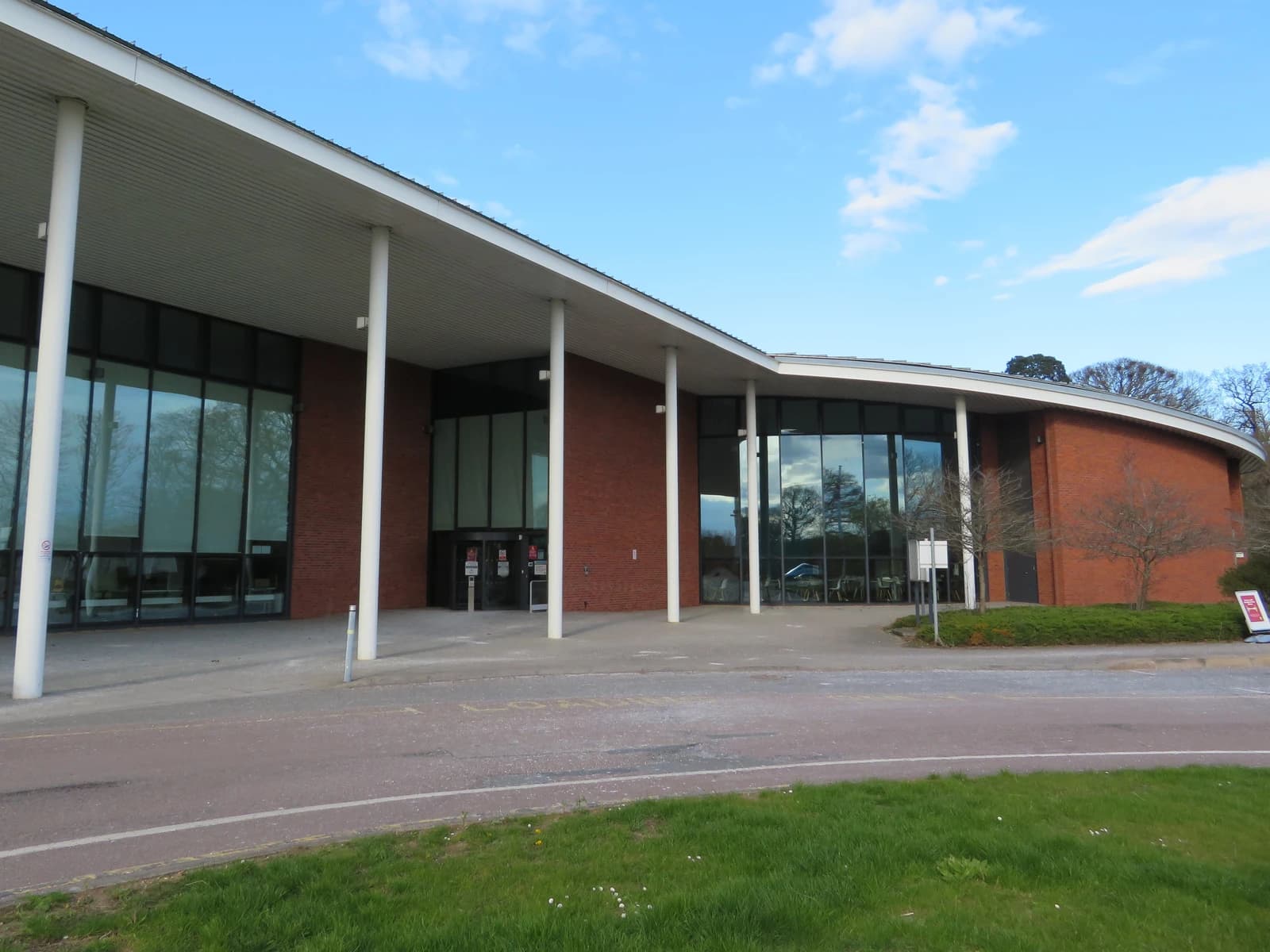
Baghdad real estate offices went on strike over Prime Minister Mohammed Shia al-Sudani’s digital property platform, turning a bureaucratic modernization drive into a test of Iraq’s ability to clean up transactions without freezing one of its most important domestic markets.
Baghdad Property Strike Raises Reform Execution Risk
The confrontation matters because property is a core store of wealth in Iraq’s cash-heavy economy, where land, housing and commercial real estate absorb household savings and business capital. Any disruption to brokerage activity can slow sales, delay fee collection and complicate collateral valuations for lenders and investors already weighing security and governance risks.
The offices’ complaint — captured in the slogan that Sudani has “exhausted us three times” with the platform — points to the political cost of digitizing a sector long associated with paper files, personal networks and opaque pricing. For the government, the platform is part of a wider campaign to curb corruption and tighten oversight. For brokers, it appears to have raised compliance burdens and interrupted the transaction flow on which commissions depend.
The strike comes as Baghdad intensifies anti-corruption and security measures. A special integrity force recently stormed the Iraq Gate complex, while authorities arrested six medical employees in Diyala over alleged tampering with medical committees, according to local reporting tracked by Adalytica.com. The government has also dismissed the head of the National Investment Commission, underscoring pressure on institutions tied to capital flows and development approvals.
That broader crackdown gives the real estate dispute its market significance. Cleaner registries and digital verification could eventually reduce fraud, improve title certainty and make Iraqi assets more investable. But a poorly sequenced rollout risks doing the opposite in the short term: pushing transactions back into informal channels, delaying investment decisions and adding another layer of uncertainty for developers and buyers.
Investors are watching implementation as much as intent. Iraq is trying to attract capital through reconstruction, infrastructure projects and regional economic links, including work toward an Iraqi-Turkish fund. Those ambitions require predictable land records, enforceable ownership rights and functioning local intermediaries. A strike by real estate offices signals that the reform agenda is colliding with the people needed to execute it.
Security remains part of the risk premium. Baghdad, Amman and Cairo have launched tripartite coordination against terrorism and cross-border threats, while Iraq continues to confront corruption and illicit networks at home. Adalytica.com’s proprietary sentiment reading on the Baghdad real estate context stood at -0.25, reflecting a mildly negative backdrop as reform, security enforcement and market disruption converge.
The next signal will be whether Sudani’s government adjusts the platform’s rollout without retreating from digitization. A compromise that keeps transactions moving while tightening records would support confidence; a prolonged standoff would reinforce the view that Iraq’s reform push is economically necessary but operationally fragile.
| Entity | Gains | Losses |
|---|---|---|
| Iraqi government | ▲Greater transaction oversight | ▼Political backlash |
| Real estate offices | ▲Leverage in negotiations | ▼Lost commission flow |
| Buyers and sellers | ▲Potential title transparency | ▼Delayed transactions |
| Developers and investors | ▲Cleaner long-term records | ▼Higher execution risk |