An Opposition senator is pressing the Bahamas to triple the deadline for paying VAT on property sales, warning that a new 5.25% interest charge could hit mortgage borrowers and overseas buyers automatically under a system attorneys say is already clogged with delays.
Bahamas VAT deadline faces push to extend to 60 days
Arinthia Komolafe said the payment window should be lifted from 21 days to at least 60 days, and preferably 90, arguing the government should fix bottlenecks at the Department of Inland Revenue before layering on new penalties. The charge, pegged to the prime rate plus 1 percentage point, was approved into law in June and is due to be enforced from Oct. 5 after being on the books since July 1.
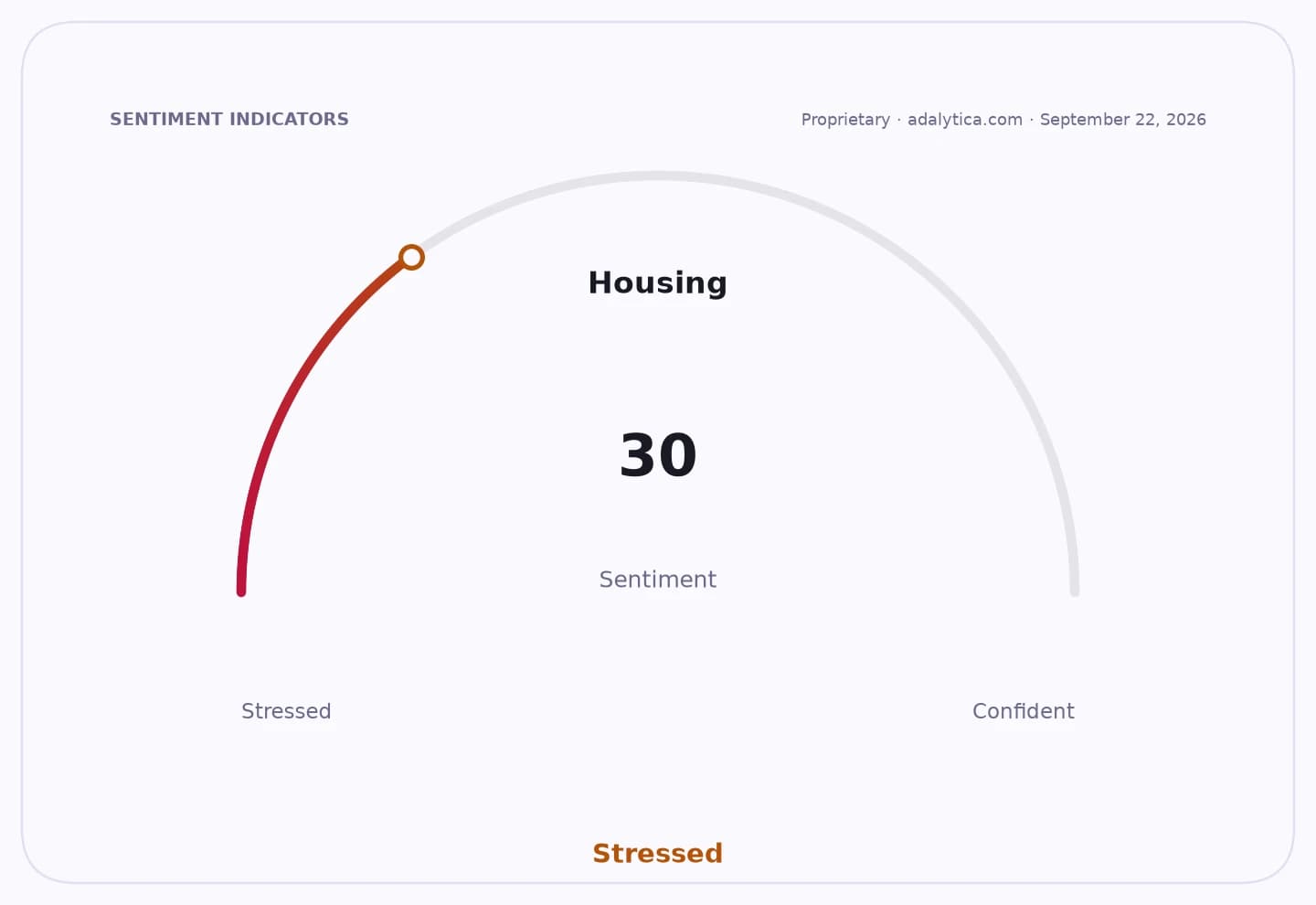
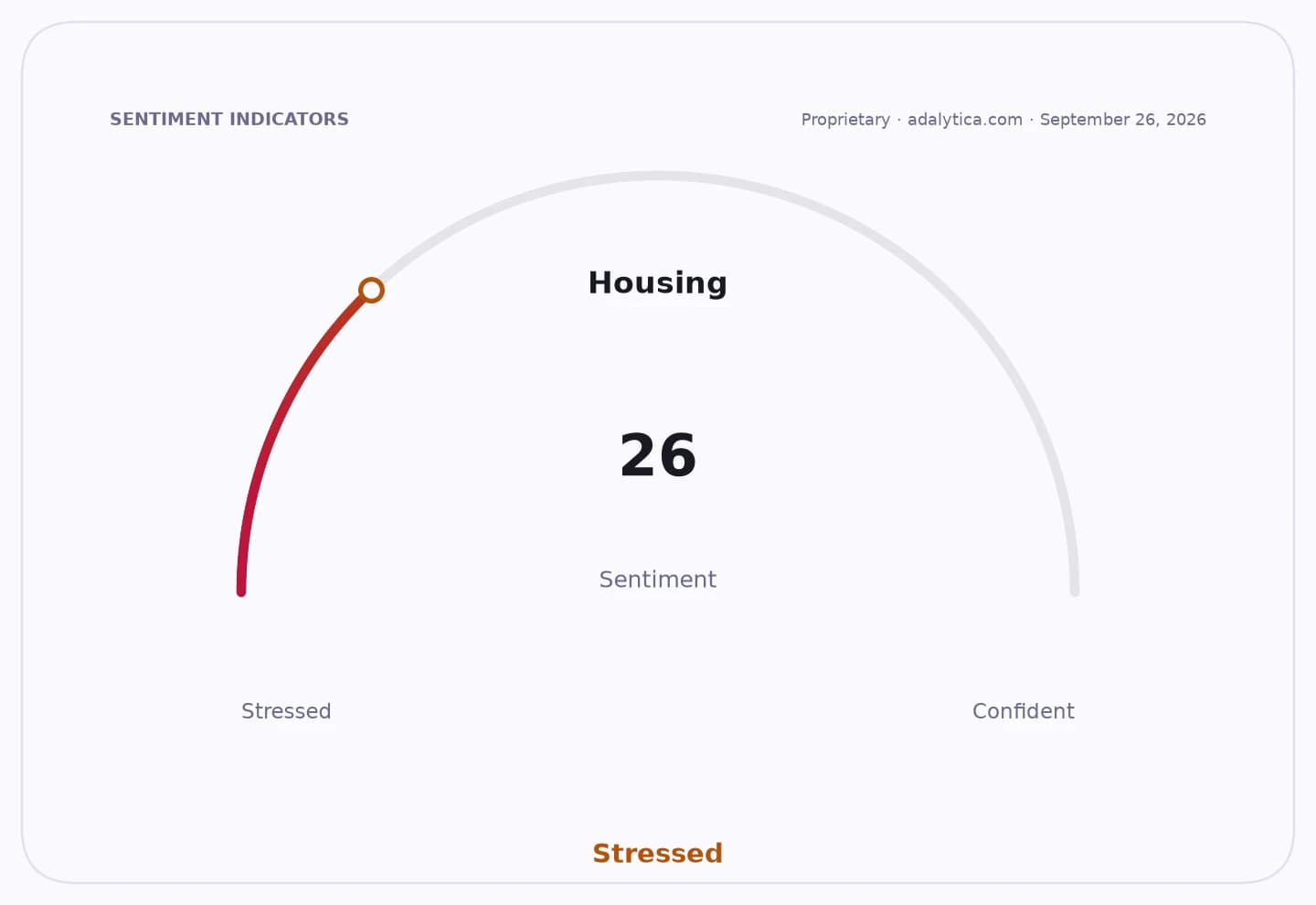
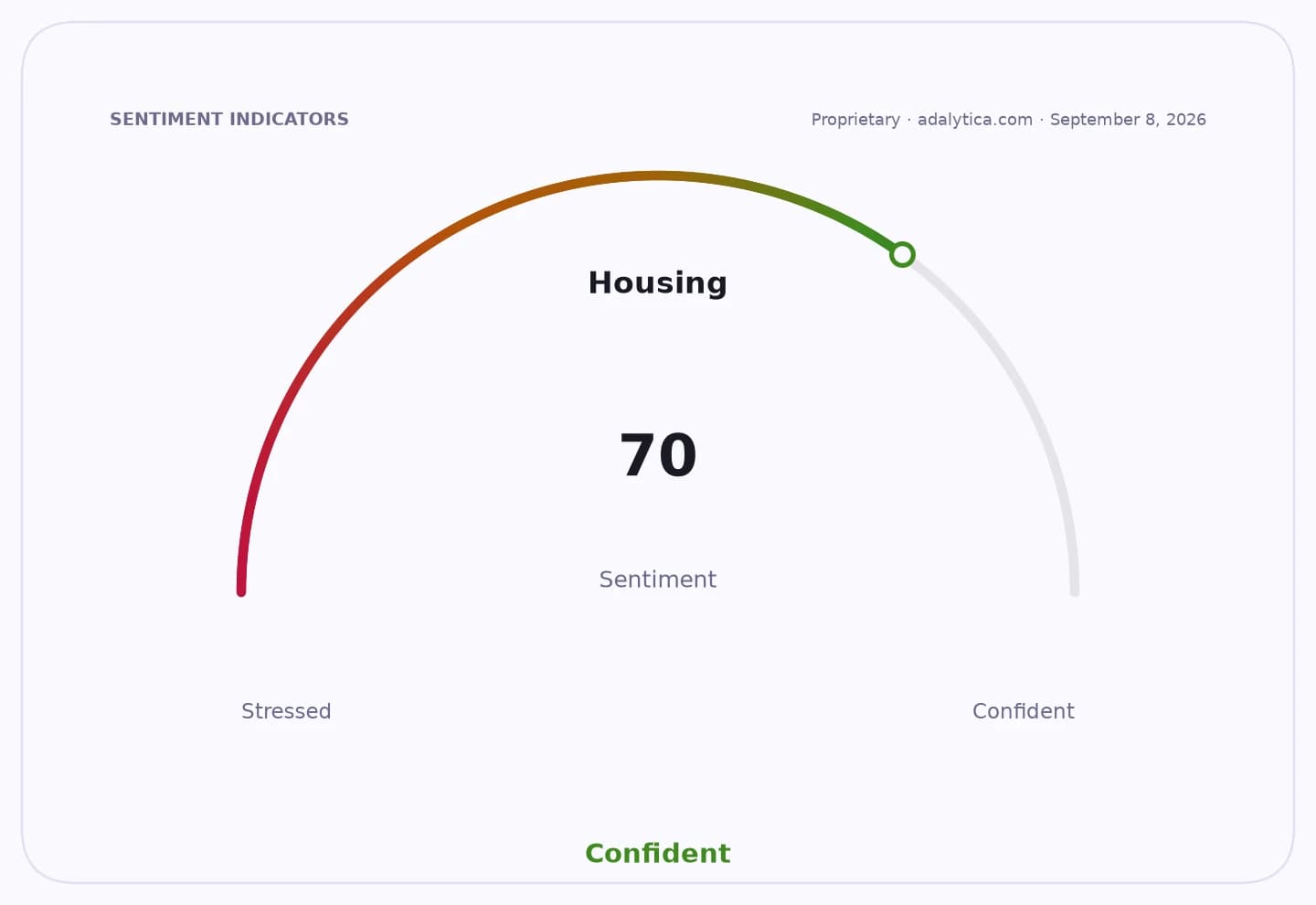
Sentiment IndicatorsⓘProprietary · adalytica.com · September 30, 2026
This is a snapshot — live sentiment, awareness and momentum for 130+ markets update continuously in the dashboard.Open AlphaPulse
The dispute matters because real estate transactions in The Bahamas are still heavily paper-based and often involve banks, lenders, lawyers and buyers in different jurisdictions. Attorneys told a briefing that conveyances and supporting documents frequently take longer than 21 days to move through due diligence and funding steps, while one lawyer said her firm had been waiting six months for VAT invoices on 33 transactions.
For mortgage borrowers, that timing mismatch can turn a routine closing delay into a direct cost. Banks in The Bahamas typically take two to three weeks, and sometimes longer, to review a file before releasing funds, which means many buyers could run past the new deadline even when they are acting in good faith.
Komolafe said the policy risks making home ownership more expensive at a time when fewer Bahamians qualify for mortgages. She also argued buyers should not be penalized for administrative delays inside the tax authority, pointing to the absence of a digital registry and saying any promise to deduct Inland Revenue review time from the 21-day clock should be written into law, not handled case by case.
Department officials acknowledged there could be legitimate issues for international buyers and said the agency does not write the law. But attorneys questioned whether the new interest charge is needed at all, noting a separate 10% late fee already applies to conveyances not stamped or paid within 180 days.
The broader economic issue is housing affordability. If the levy is enforced as written, it could raise closing costs and slow transactions in a market already constrained by financing hurdles and title-processing friction. That makes the fight over the deadline more than a tax dispute: it is a test of whether the government wants faster compliance or a real estate market that can still function smoothly.
The next pressure point is Oct. 5, when enforcement is set to begin unless lawmakers or regulators move to extend the deadline or formalize exemptions for delays beyond buyers’ control.
| Entity | Gains | Losses |
|---|---|---|
| Government tax authorities | ▲Faster VAT collection | ▼Less tolerance for delays |
| Mortgage borrowers | ▲Longer payment window | ▼New penalty risk |
| Real estate attorneys | ▲More workable timelines | ▼Fewer closing disputes |
| Banks and lenders | ▲Clearer rules if extended | ▼More rushed processing if not |