Police and Indonesia’s anti-corruption authorities are investigating suspected embezzlement of about Rp3 billion, or $294,000, in visa-on-arrival fees at Bali’s Ngurah Rai airport, a case that goes to the heart of how the island earns money from its biggest industry and how foreign visitors experience the country at the border.
Bali Airport Visa Fee Embezzlement Probe
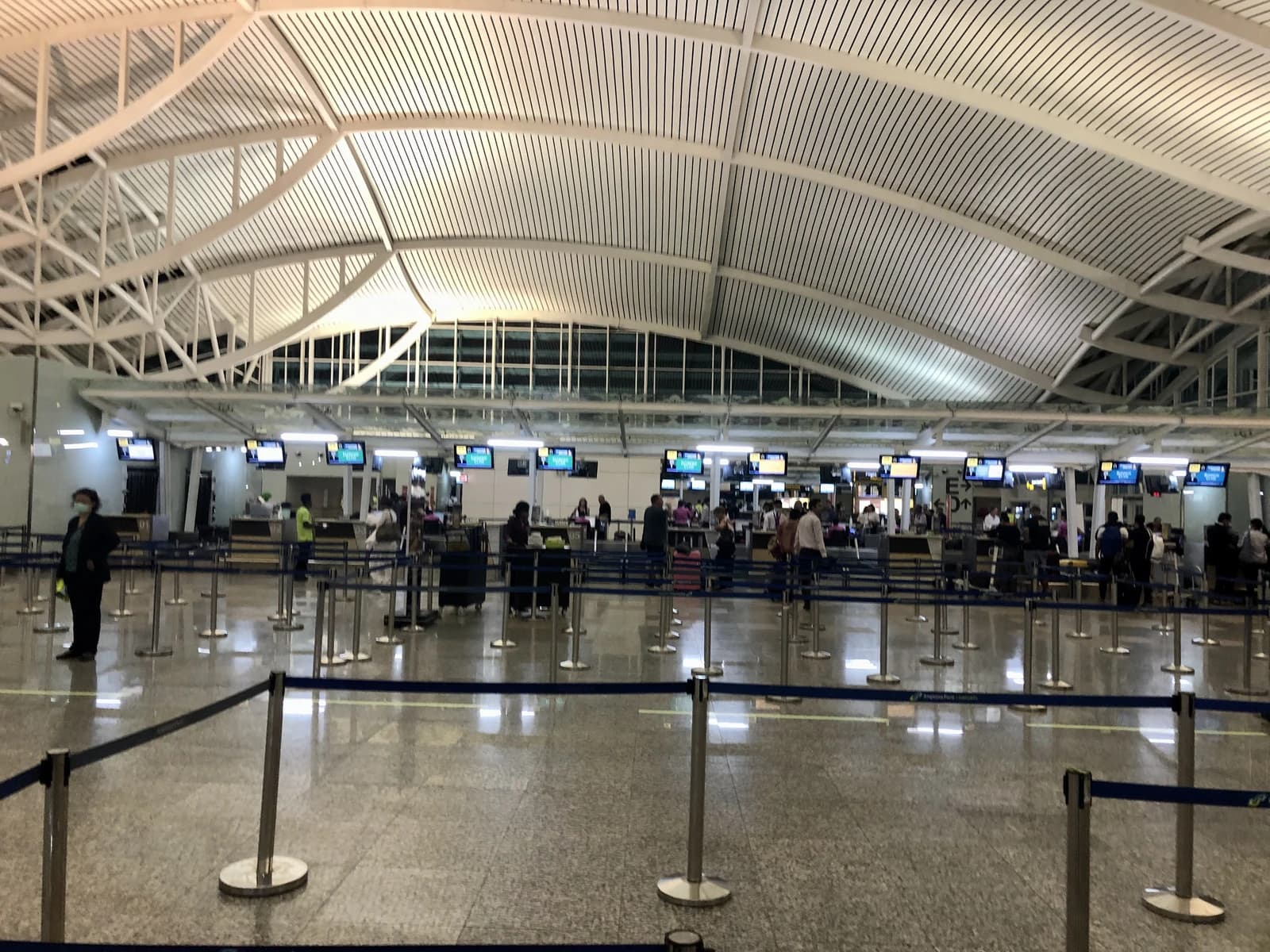
The probe matters economically because Bali’s tourism engine depends not only on arrivals, but on a smooth, predictable entry process that supports spending, reputation and repeat visits. When visa collections at the airport are alleged to have been underreported over several months, the issue is no longer just internal leakage in an immigration office: it raises questions about governance of a key revenue stream, the integrity of public administration and the cost of doing business in one of Indonesia’s most important destinations.
Authorities are examining 44 immigration officials after irregularities were found in accounts linked to visa-on-arrival sales between October 2008 and May 2009, according to local reports. Immigration chief Budhi Harmanto said the case began after central inspectors found discrepancies in visa records, including suspected instances where officials recorded the cheaper 7-day visa, worth $10, even when travelers had paid for the more expensive 30-day permit at $25.
Bank Indonesia estimated that $8.5 million was collected from visa-on-arrival fees in the January-April period, underscoring that even relatively small-scale leakage can matter when applied across a high-volume tourism gateway. For a province where tourism is central to employment and foreign exchange inflows, the case is less about the headline sum than the signal it sends to travelers, tour operators and investors about administrative reliability.
The investigation has also widened beyond the immigration office, with Bali police’s anti-corruption unit joining the case. Governor Made Mangku Pastika has pushed for urgent action after speaking with President Susilo Bambang Yudhoyono, while tourism leaders have used the scandal to revive longstanding complaints about poor service at the airport.
That reputational damage may prove as costly as the alleged theft itself. Travel agents say complaints about immigration officers have been ignored for years, and the Bali Tourism Board has gone further, arguing the government should consider outsourcing visa-on-arrival services to the private sector under state supervision. The suggestion reflects a broader frustration in the industry: when border processing is slow, opaque or corrupt, it directly affects visitor sentiment and can weaken Bali’s edge against competing destinations.
For investors and policymakers, the case is a reminder that tourism growth in Indonesia is not only a function of marketing and hotel capacity, but also of institutional quality. A clean, efficient entry system can support higher visitor confidence and better revenue capture; a corrupt one can erode both. The key question now is whether authorities treat the Bali probe as a one-off scandal or as leverage for a wider cleanup of airport administration.
| Entity | Gains | Losses |
|---|---|---|
| Bali tourists | ▲Better scrutiny | ▼Corrupt fee practices |
| Indonesian government | ▲Chance to restore credibility | ▼Revenue leakage allegations |
| Immigration officials under probe | ▲— | ▼Legal and career risk |
| Bali tourism sector | ▲Potential service reform | ▼Reputational damage |