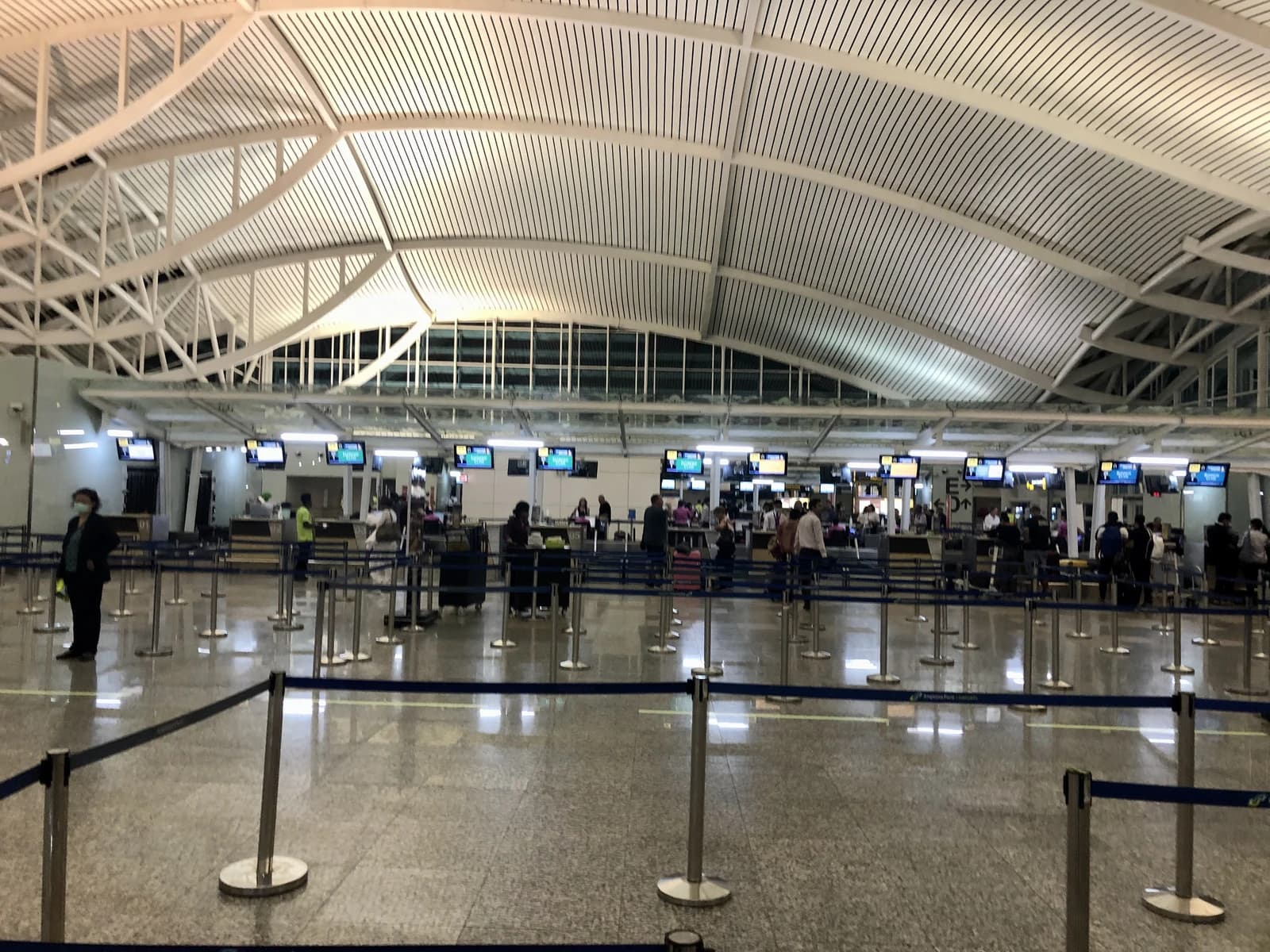
Malaysia will end visa-free entry for Indian nationals from Jan. 1, 2027, a move that raises the cost and friction of travel for one of its largest inbound visitor groups and underscores a broader tightening of the country’s visa regime.
Malaysia to end visa-free entry for Indian travelers
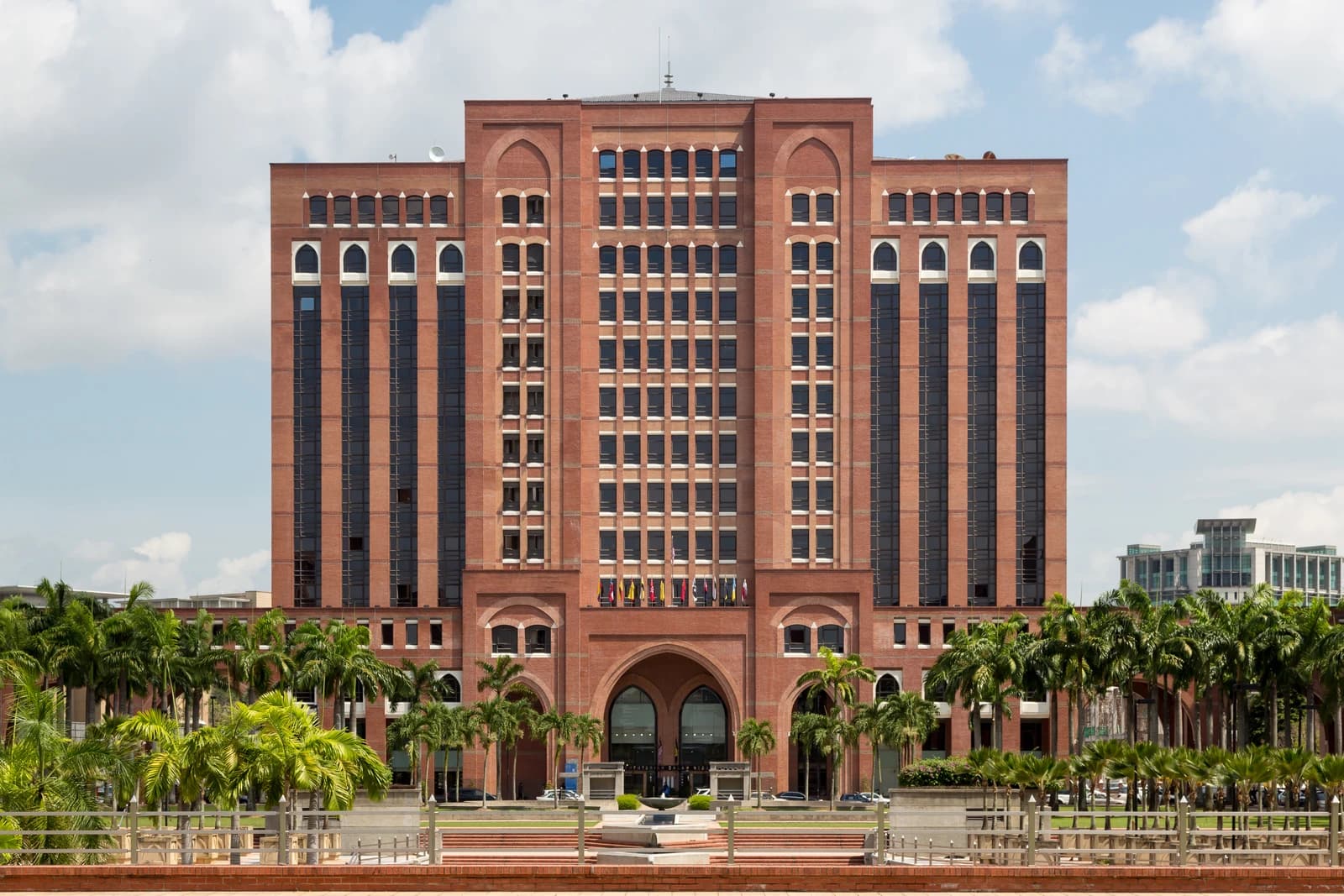
The Immigration Department said Indians will need to obtain a visa before arrival from that date, with applications opening through the MyVISA online portal on Dec. 1, 2026. For airlines, travel agents and hotels that rely on steady Indian demand, the change adds a planning hurdle just as Malaysia is also imposing more administrative and financial conditions on foreign visitors.
The policy matters economically because India has become an increasingly important source of outbound tourism across Asia, with Malaysian resorts, shopping districts and medical-travel providers among the beneficiaries. Requiring pre-arrival visas can dampen short-notice leisure travel, lengthen booking cycles and raise the risk of cancelled trips, especially for price-sensitive middle-class travelers. It may also weigh on ancillary spending in areas such as aviation, hospitality, retail and restaurants.
Malaysia’s latest move is part of a wider recalibration of entry rules. The country has already restricted multiple-entry visas to 31 nationalities and limited them to specific purposes including business, medical treatment and cruise-related travel. It has also urged visitors to carry travel medical insurance for the full duration of their stay and warned that visa processing fees will not be refunded if applications are rejected or travel plans change.
For investors, the immediate read-through is negative for carriers and tourism-exposed businesses with meaningful India-Malaysia traffic, including budget airlines and travel platforms selling packaged Southeast Asia itineraries. The change could also shift demand toward destinations with simpler entry requirements, strengthening competitors in Thailand, Singapore, Indonesia and the Gulf that are vying for the same regional traveler.
The bull case is that the impact may be manageable if Malaysia’s tourism appeal remains strong enough to absorb some procedural friction. Business travel, family visits and medical tourism may be less sensitive than discretionary leisure trips, and a formal visa process can still be handled online. But the bear case is that cumulative restrictions, including shorter application validity and stricter documentation, could slow arrivals at the margin and make Malaysia a less convenient entry point for Indian travelers.
The key question for the tourism industry is whether the rule change becomes a one-off administrative adjustment or part of a longer trend toward tighter borders and higher travel compliance costs across Asia. If more governments follow suit, the region’s low-cost carriers and online travel agencies may face a more uneven demand environment even as cross-border travel continues to recover.
| Entity | Gains | Losses |
|---|---|---|
| Malaysian immigration authorities | ▲Tighter control | ▼More administrative burden |
| Local tourism operators | ▲Better screening | ▼Fewer impulse bookings |
| Airlines serving India-Malaysia routes | ▲Higher advance planning | ▼Softer last-minute demand |
| Indian travelers | ▲Clearer entry rules | ▼Higher travel friction |