Taiwan’s biggest tourism challenge is no longer whether visitors will come, but whether the island can build a more durable draw before cheaper outbound travel keeps siphoning spending away.
Taiwan tourism faces need for higher-spend visitors
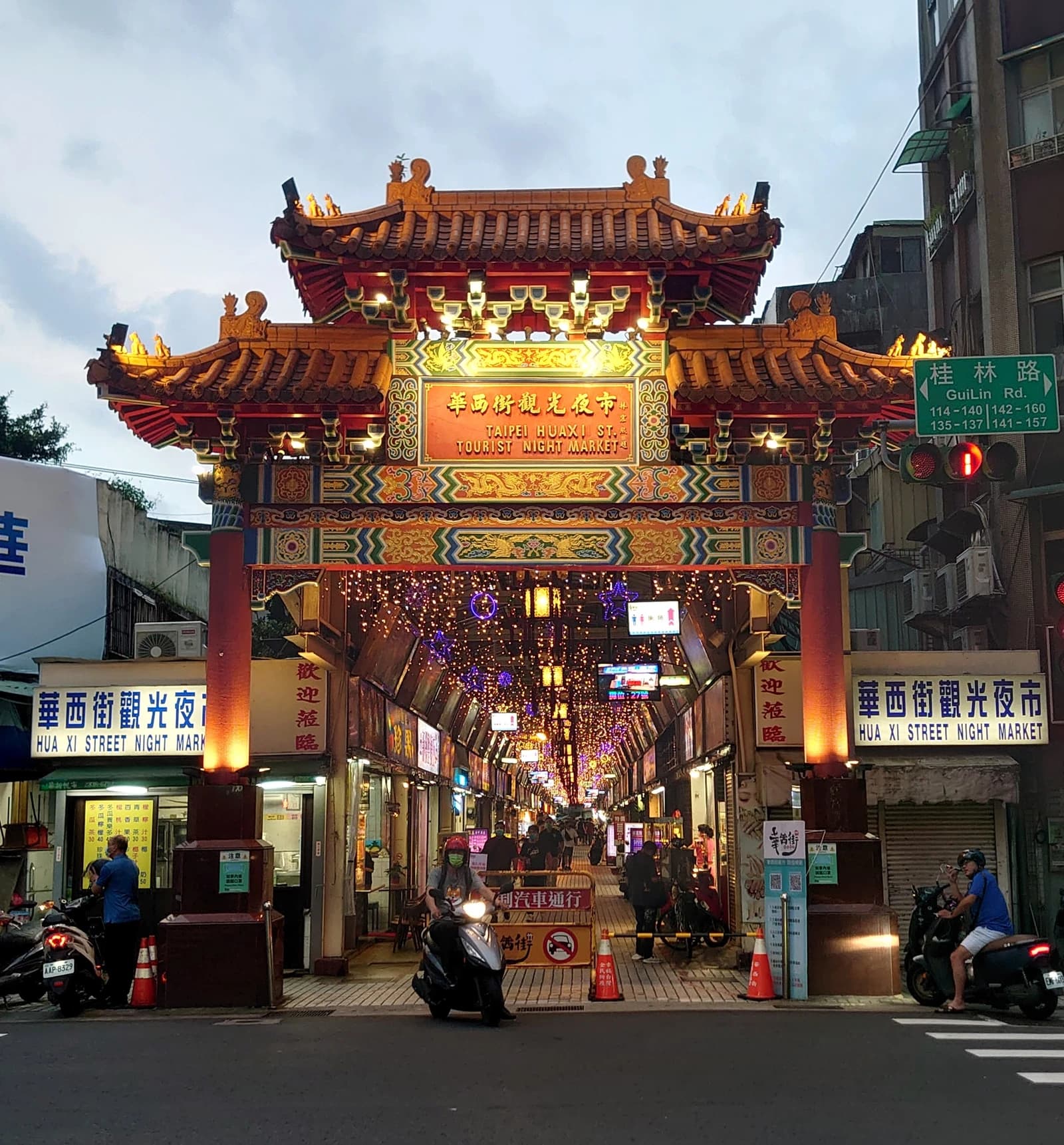
That is why experts are pressing the government to do more than simply count arrivals. Taiwan is on track to welcome 9.5 million visitors this year and 10 million next year, according to the Tourism Bureau, with tourism revenue forecast at NT$380 billion, or about US$12.22 billion. Those are solid numbers, but they also highlight the limits of a model that leans heavily on regional travelers and day-to-day marketing rather than the kind of iconic, repeatable experiences that keep families from the US and Europe coming back.
Sentiment Indicators
More than 90% of Taiwan’s visitors this year have come from Asia, and the recovery has been led by nearby markets. Arrivals from South Korea are up 61% from a year earlier, China 38%, Hong Kong and Macau 18%, Japan 17% and Malaysia 16%. That is helpful for hotels, restaurants and tour operators, but it also exposes the country to regional economic swings and low-cost airline competition. If Taiwanese residents can fly to parts of Southeast Asia for less than it costs to travel within their own country, the tourism balance can tilt the wrong way.
That matters for the broader economy. Tourism is one of the cleanest ways for Taiwan to bring in foreign currency, support service-sector jobs and spread income beyond its export-heavy manufacturing base. If the island can increase high-value inbound travel, the benefits can ripple through hotels, transport, cultural institutions and local dining. If it cannot, the leakage of spending overseas becomes a quiet drag on domestic demand.
The policy debate now is about quality, not just quantity. Wang Jiann-chyuan of the Chung-Hua Institution for Economic Research said Taiwan needs to attract more foreign visitors and promote more distinctive cultural offerings, including performances by Cloud Gate Dance Theatre and Ming Hwa Yuan Taiwanese Opera Company. Others say the island needs better planning, stronger storytelling and more investment in tour guides, not just more promotion. That is the kind of shift investors should pay attention to, because tourism businesses thrive when a destination becomes an experience, not a stopover.
There is also a regional opening. Southeast Asia’s tourism rebound and greater cross-border cooperation are reinforcing a broader travel cycle in Asia. Taiwan does not need to copy its neighbors, but it does need to compete harder for the same travelers. Its hot springs, mountain scenery and food culture give it real assets. The question is whether those assets can be packaged into a longer-stay, higher-spend offer.
For long-term investors, the takeaway is simple: Taiwan’s tourism story is becoming a test of execution. If the government can convert visitor growth into stronger spending per traveler, the sector has room to compound. If not, the headline arrival numbers will keep looking better than the economics underneath. That makes Taiwan’s next tourism policies worth watching, and tourism-linked names worth keeping on the watchlist rather than chasing for a quick trade.
| Entity | Gains | Losses |
|---|---|---|
| Taiwan hotels and tour operators | ▲More inbound spending | ▼Cheaper outbound travel |
| Foreign visitors to Taiwan | ▲Better tourism offerings | ▼Limited global-brand appeal |
| Taiwanese consumers traveling abroad | ▲Lower airfare choices | ▼Domestic tourism demand |
| Government and local cultural groups | ▲Higher visitor revenue | ▼Pressure to improve execution |