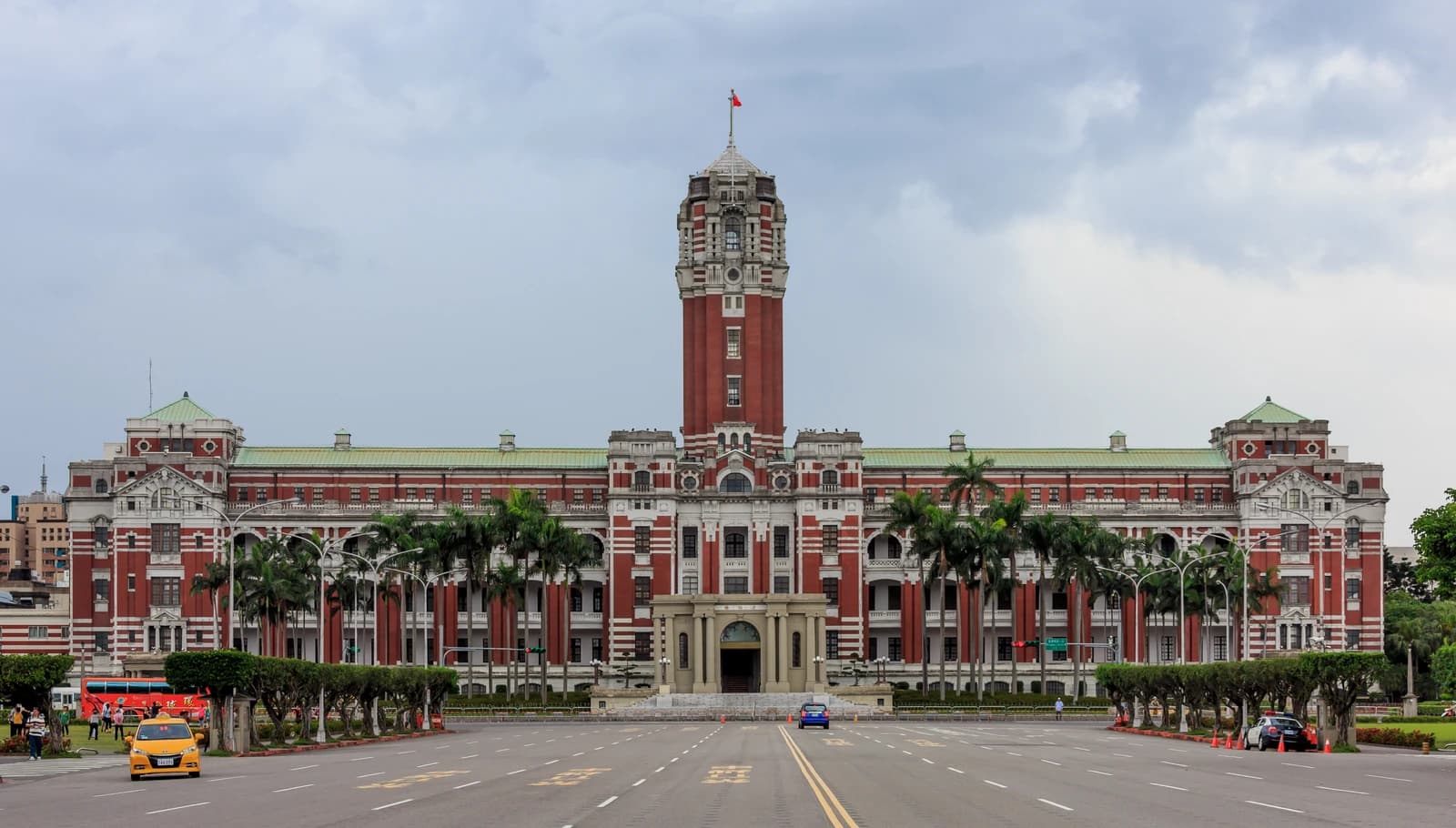
China on Friday ratcheted up pressure on Japan to soften its stance on Taiwan, underscoring how a diplomatic fight is spilling into trade, travel and investor sentiment across Asia’s second- and third-largest economies.
China-Japan Taiwan dispute hits trade and travel
Geopolitical Risk
Beijing’s foreign ministry said Tokyo’s “wrong statements” and actions on Taiwan should be corrected “as soon as possible,” a day after Chinese President Xi Jinping declined an official meeting with Japanese Prime Minister Sanae Takaichi at the APEC summit in Shenzhen. The rebuke keeps relations on a downward path after Takaichi suggested last year that Japan could intervene militarily if Taiwan were blocked or attacked.
Sentiment Indicators
Geopolitical Risk
The dispute matters economically because China is one of Japan’s most important export markets and a key source of tourists, supply-chain demand and corporate earnings. Beijing has already urged its citizens not to travel to Japan and imposed trade restrictions on Japanese firms, raising the risk of weaker inbound spending and more pressure on manufacturers and consumer-facing companies.
For investors, the tension is another reminder that geopolitics can quickly hit equities, currencies and regional risk appetite. Japan-focused assets have already shown sensitivity to the headlines, while Adalytica’s U.S.–China Relations Sentiment gauge jumped to “Extreme Greed,” reflecting how fast attention is concentrating on the clash.
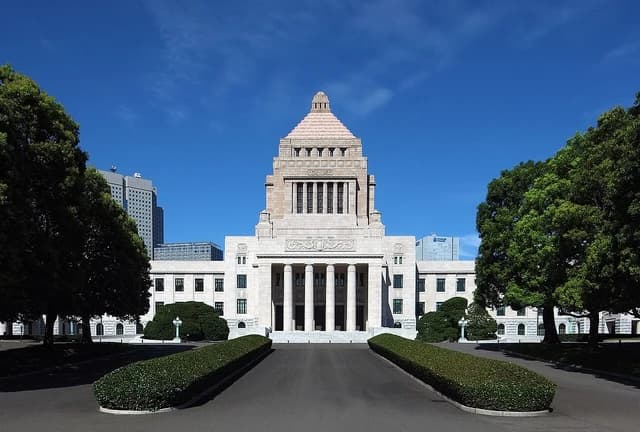
Takaichi said dialogue remains important because unresolved issues persist between the two countries. She also met Russian President Vladimir Putin at the summit, her first face-to-face with him since taking office, highlighting how Japan is trying to manage strained ties with both Beijing and Moscow at once.
The immediate question is whether China widens the response beyond rhetoric and travel curbs into broader commercial retaliation. Any escalation would likely hit Japanese exporters, luxury groups, airlines and tourism-linked businesses first, while increasing volatility in the yen and Japan-exposed ETFs.
| Entity | Gains | Losses |
|---|---|---|
| China | ▲leverage in Taiwan dispute | ▼diplomatic trust with Japan |
| Japan government | ▲domestic nationalist support | ▼export and tourism pressure |
| Japanese exporters/tourism firms | ▲none | ▼Chinese demand and travel flows |
| Investors in Japan risk assets | ▲trading opportunities from volatility | ▼lower visibility on earnings and policy risk |