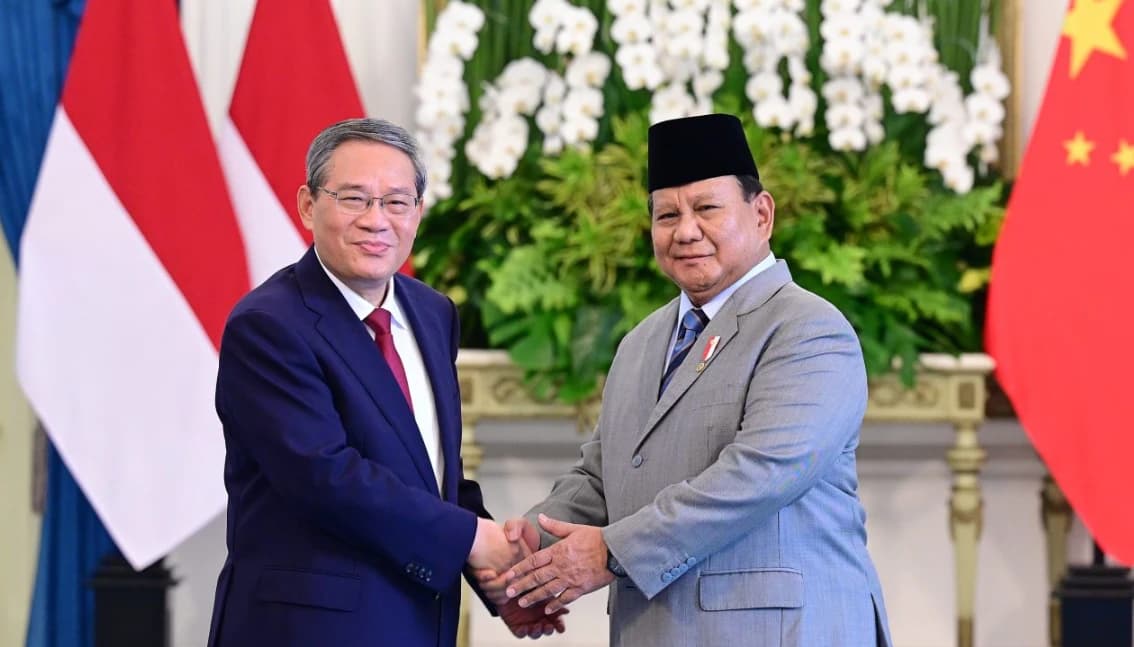
China’s hosting of the APEC leaders’ summit in Shenzhen has given Beijing a platform to press for deeper regional trade integration at a time when investors are watching whether the world’s two largest economies can avoid another sharp turn in relations.
China APEC summit in Shenzhen advances trade agenda
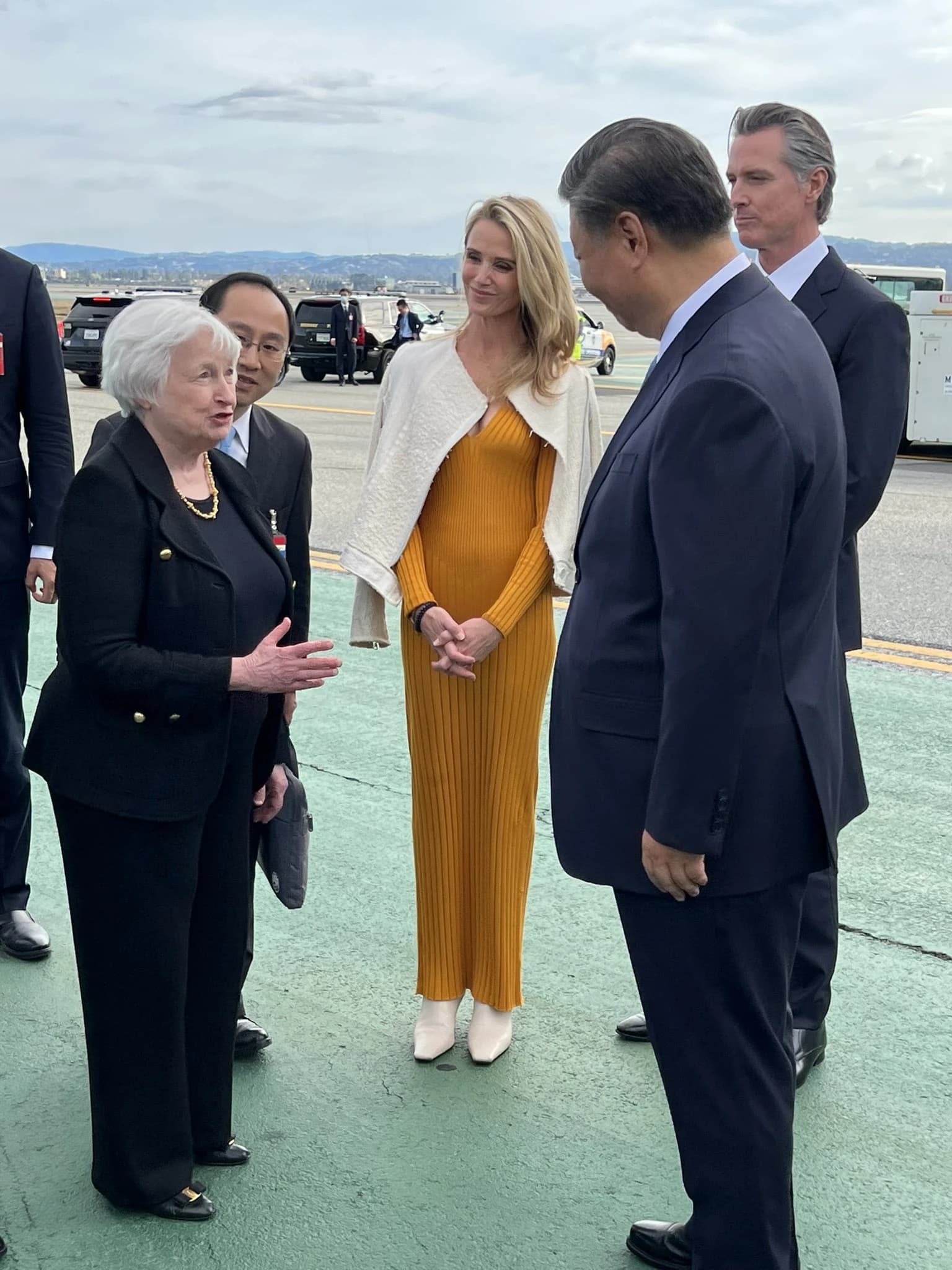
Chinese Foreign Minister Wang Yi said the 33rd Asia-Pacific Economic Cooperation leaders’ meeting marked a “new height” for economic cooperation in the region and produced what Beijing sees as the key outcome of its APEC year: a Shenzhen declaration that advances plans for a freer trading bloc, stronger supply-chain coordination and greater digital cooperation. For markets, the significance is less about the rhetoric than the signal that China is still trying to anchor growth and influence through regional trade architecture even as geopolitics remain unsettled.
Sentiment Indicators
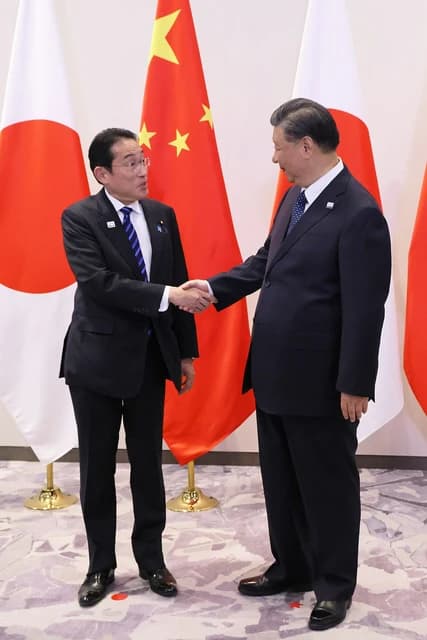
The policy message matters because APEC remains one of the few multilateral forums where China, the U.S., Japan and other major Asia-Pacific economies can still discuss trade, technology and investment without the formal constraints of treaty negotiations. Beijing used the summit to argue for a more integrated Asia-Pacific community and to push work on the long-discussed Free Trade Area of the Asia-Pacific, which would, if ever realized, lower barriers for goods, services and capital across a region that accounts for a large share of global output.
Wang said the summit also backed a more effective APEC connectivity plan aimed at infrastructure development, smoother supply chains, regulatory coordination and easier movement of people. That is economically relevant for exporters, logistics groups and multinational manufacturers because it speaks directly to the frictions that have raised costs across the region since the pandemic and amid the U.S.-China trade confrontation.
US-China Relations
Beijing also highlighted a separate APEC statement on digital and advanced technology cooperation, including artificial intelligence, employment and public services. China cast that as proof it can shape the forum’s agenda around the next phase of growth, with technology and digital infrastructure rather than just traditional trade liberalization.
The summit’s market relevance is underscored by how investors are already positioned. FXI, the iShares China Large-Cap ETF, closed at $31.23 on Nov. 20, below both its 50-day moving average of $33.65 and 200-day average of $35.10, with RSI at 32.0, a sign of weak momentum after a recent selloff. EWH, the Hong Kong tracker, ended at $22.02, also under its 50-day and 200-day averages, while EWA, the Australia fund, fell to $26.73 and remained under its 50-day and 200-day trend lines. The moves suggest traders are not yet pricing a broad APEC-led risk-on shift, even as the diplomatic tone improves.
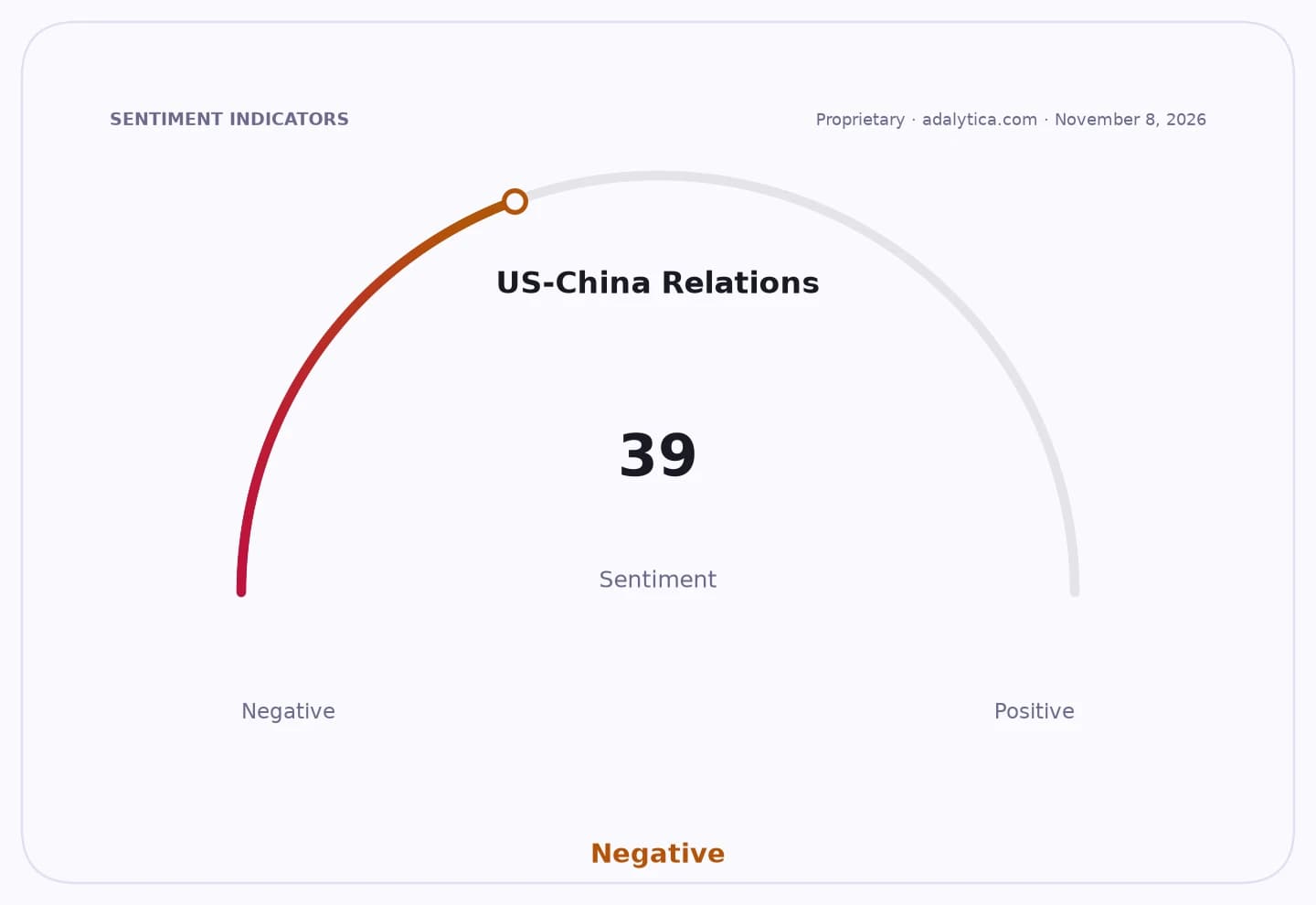
Adalytica’s U.S.-China Relations Sentiment gauge jumped to 100.0, or “Extreme Greed,” while its global stability reading stayed in “Extreme Fear” territory at 4.0, reflecting a split between optimism that summit diplomacy can ease tensions and concern that the underlying geopolitical backdrop remains fragile. That combination helps explain why the event matters: any incremental progress on trade, technology or investment rules can support sentiment, but the region still faces a high bar for a durable rerating.
| Entity | Gains | Losses |
|---|---|---|
| China | ▲Regional leadership message | ▼Pressure to deliver follow-through |
| Asia-Pacific exporters | ▲Easier trade prospects | ▼Uncertainty if talks stall |
| U.S.-China risk assets | ▲Cooler rhetoric | ▼Fragile policy backdrop |
| ETF long holders | ▲Any de-escalation upside | ▼Weak momentum if no policy shift |