Vietnam and China moved to deepen strategic trust and accelerate infrastructure, trade and technology cooperation on Monday, with leaders in Shenzhen backing a broader economic relationship as both countries prepare to host successive APEC summits in 2026 and 2027.
Vietnam China deepen trade and infrastructure ties
That matters because the relationship sits at the center of Vietnam’s growth model: China is its largest trading partner, a key source of intermediate goods and a potential financing and construction partner for rail, power and industrial projects that could lift productivity and ease supply-chain bottlenecks. For investors, the message is that Hanoi wants a more balanced and sustainable economic tie with Beijing without sacrificing the supply-chain advantages that have made Vietnam a manufacturing winner.
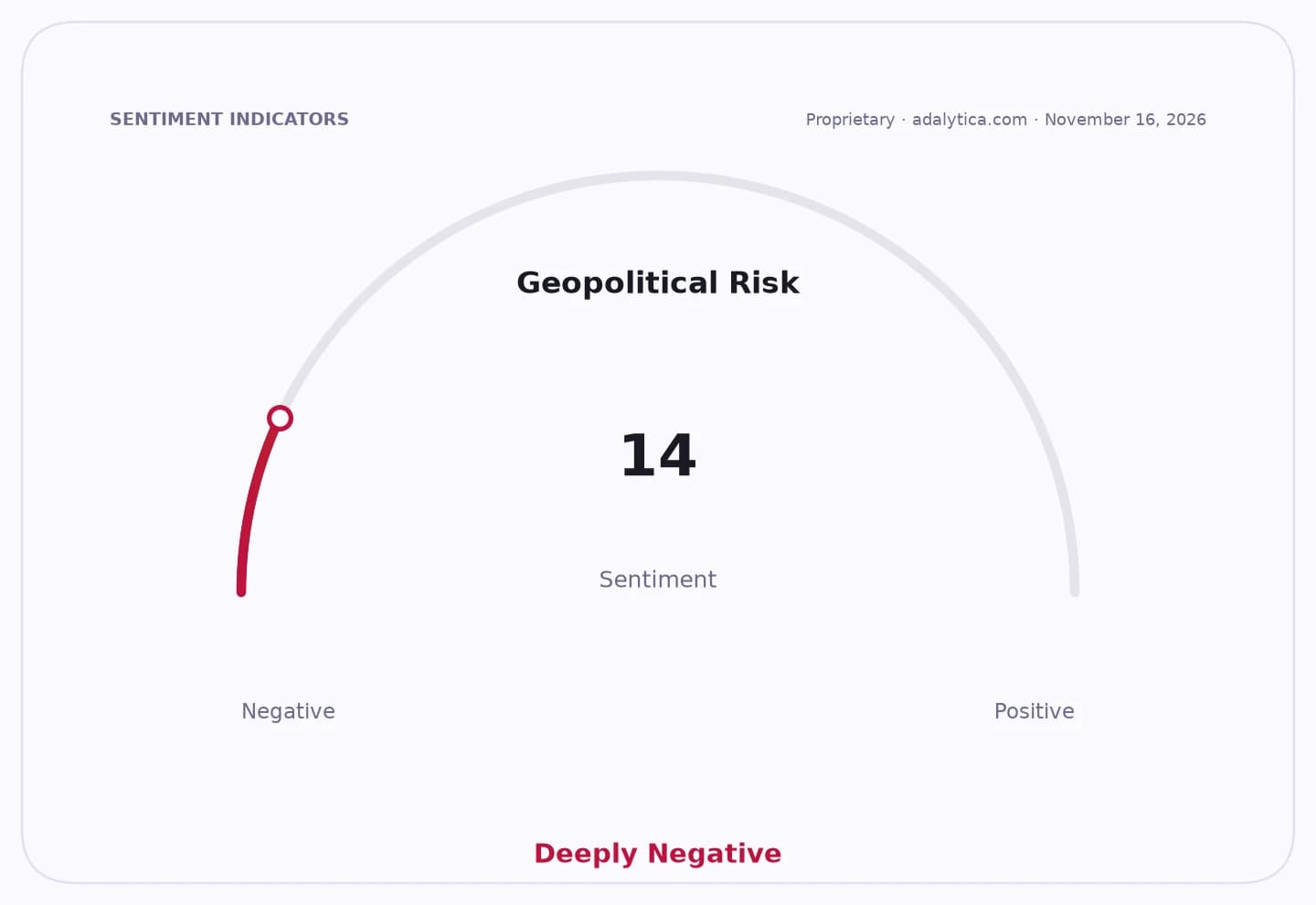
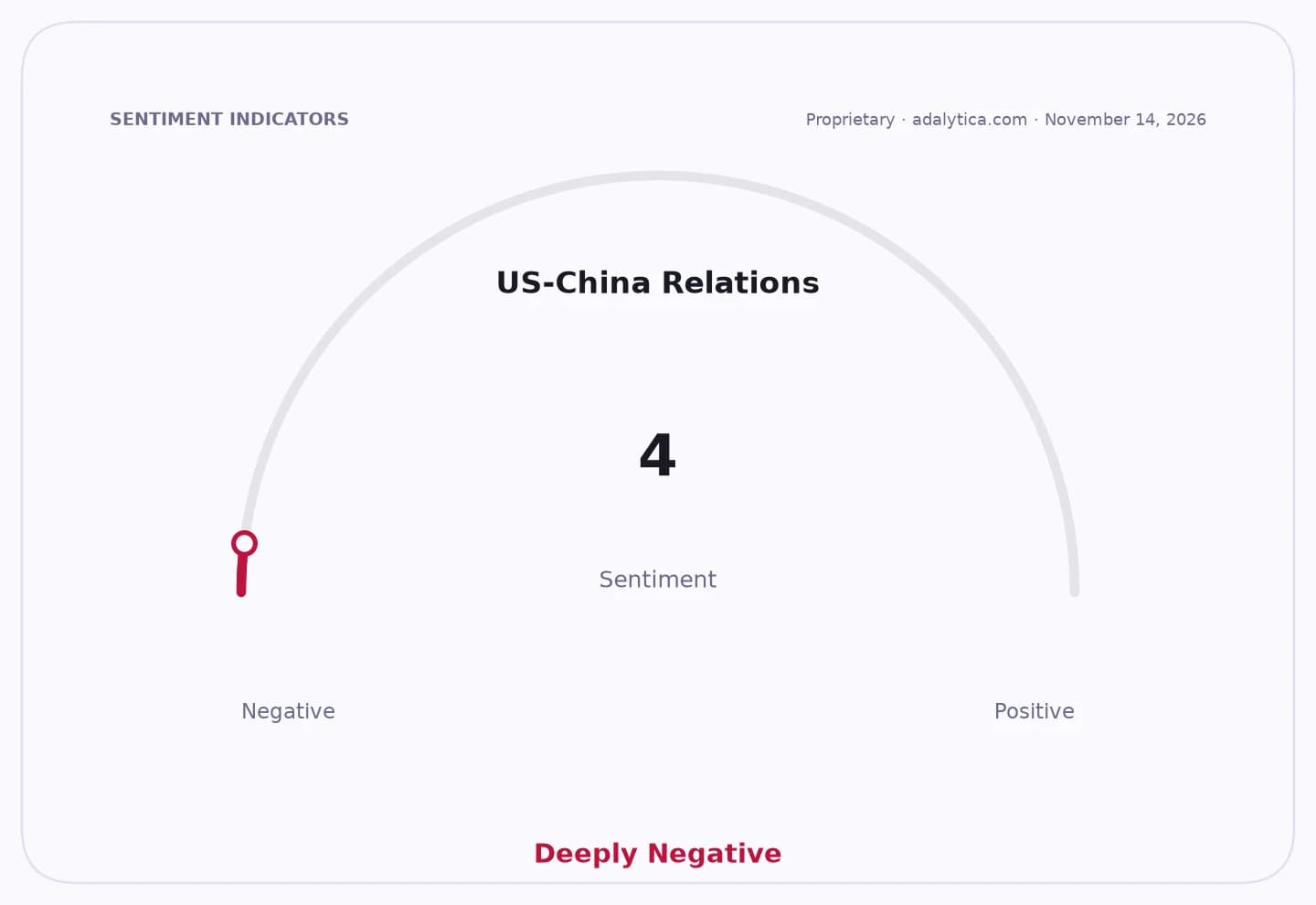
Sentiment Indicators
During talks on the sidelines of the 33rd APEC Leaders’ Week, Vietnamese leader To Lam urged both sides to raise strategic confidence and set “a new height” for economic and trade cooperation in a more balanced and durable direction. He called for faster progress on strategic transport links, especially Vietnam-China rail projects, as well as closer energy connectivity, particularly electricity interconnection. He also pressed for more Chinese scholarships for Vietnamese students in core science and strategic technologies.
Xi Jinping, in turn, said Beijing supports Vietnam’s successful hosting of APEC 2027 and wants the two countries to use their back-to-back roles as APEC hosts to promote peace, stability and development in the region. He said China wants more high-quality Vietnamese exports, encouraged Chinese firms to take part in Vietnam’s industrialization and modernization, and signaled support for cooperation in AI, digital transformation and green growth.
The substance of the meeting suggests the relationship is broadening beyond traditional diplomacy into the hard infrastructure of regional integration. Rail links could help reduce logistics costs and improve trade flows across the border, while electricity interconnection would be strategically important for Vietnam’s manufacturing base as it seeks to avoid power shortages that have periodically disrupted production. Deeper cooperation on education and technology could also help Vietnam move further up the value chain, though it remains dependent on imported machinery, components and capital equipment from China.
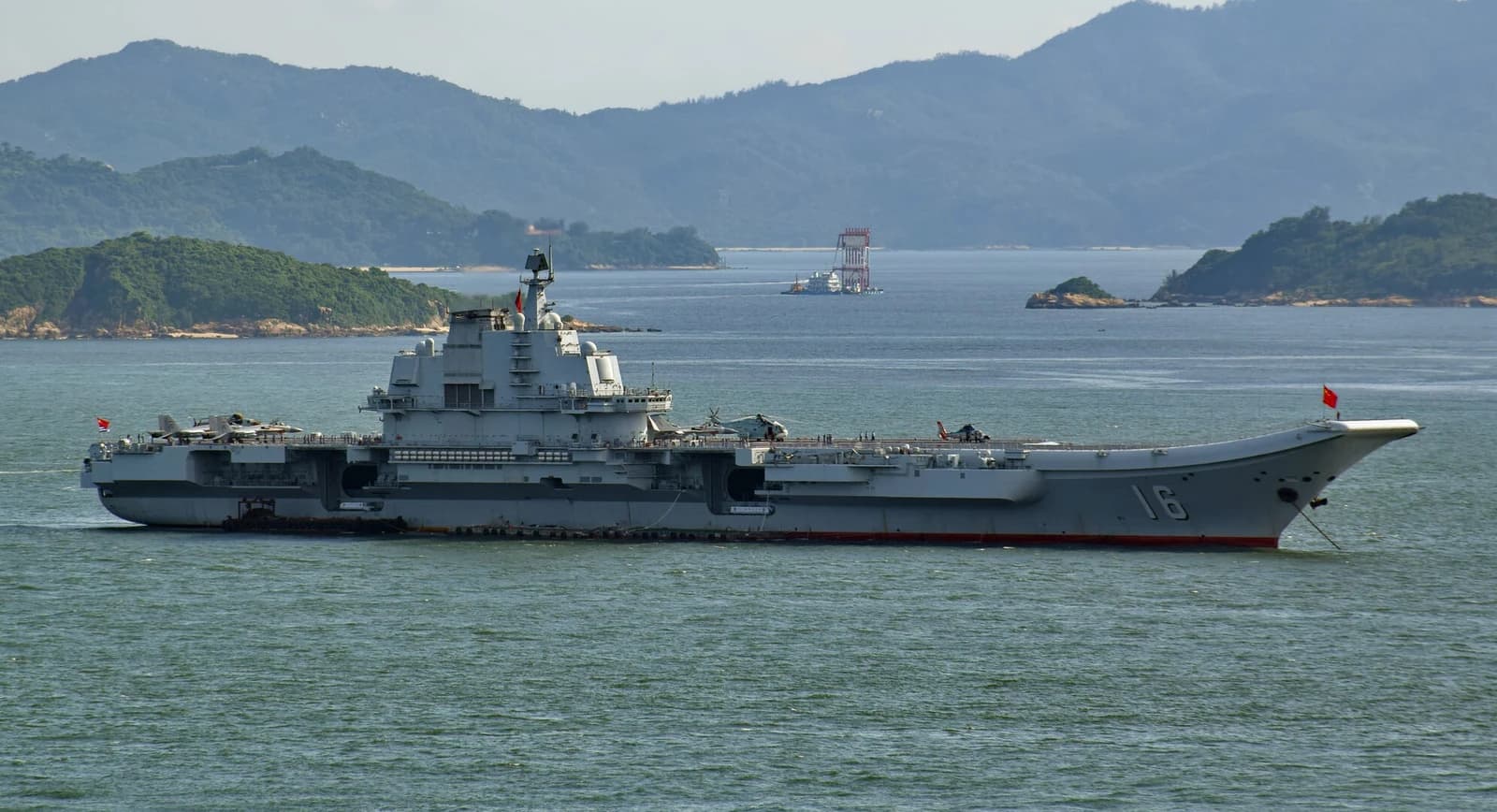
The meeting also carried geopolitical weight. Both sides said they exchanged views on maritime issues and agreed to continue implementing high-level understandings to better control differences and preserve peace and stability under the U.N. Charter and international law. That line is important for investors because it reduces, at least rhetorically, the risk that disputes in the South China Sea spill over into trade or supply-chain disruptions.
The market read-through is mixed but constructive. Vietnamese exporters and infrastructure-linked sectors stand to benefit if rail and power projects are accelerated, while Chinese industrial and consumer firms may gain improved access to Vietnamese demand. The risk case is that lofty declarations outpace execution, especially on cross-border rail financing, land clearance and technical standards. Still, the fact that both capitals are elevating the relationship while simultaneously positioning themselves as APEC hosts points to a longer-term push for tighter regional economic coordination.
For investors, the key question is whether the diplomatic thaw translates into bankable projects and easier trade. If it does, Vietnam could strengthen its position as a manufacturing hub inside Asia’s supply chains; if it doesn’t, the talks will remain another sign of political goodwill rather than an immediate catalyst.
| Entity | Gains | Losses |
|---|---|---|
| Vietnam exporters | ▲Easier access to China market | ▼Trade frictions if talks stall |
| Chinese infrastructure firms | ▲More project opportunities | ▼Slower project approval |
| Vietnam manufacturers | ▲Better logistics and power links | ▼Persistent import dependence |
| South China Sea risk premium | ▲Lower tension bias | ▼Harder for hawkish bets |