Vietnam and China are widening their strategic partnership ahead of a year-end stretch of regional summits, with the move carrying the most weight for trade flows, border logistics and investor sentiment across Asia’s supply chains.
Vietnam, China widen trade partnership before summits
The latest push underscores how both governments are trying to turn political coordination into faster customs clearance, better transport links and tighter border management at a time when regional manufacturing networks remain sensitive to geopolitical friction and trade policy shifts.
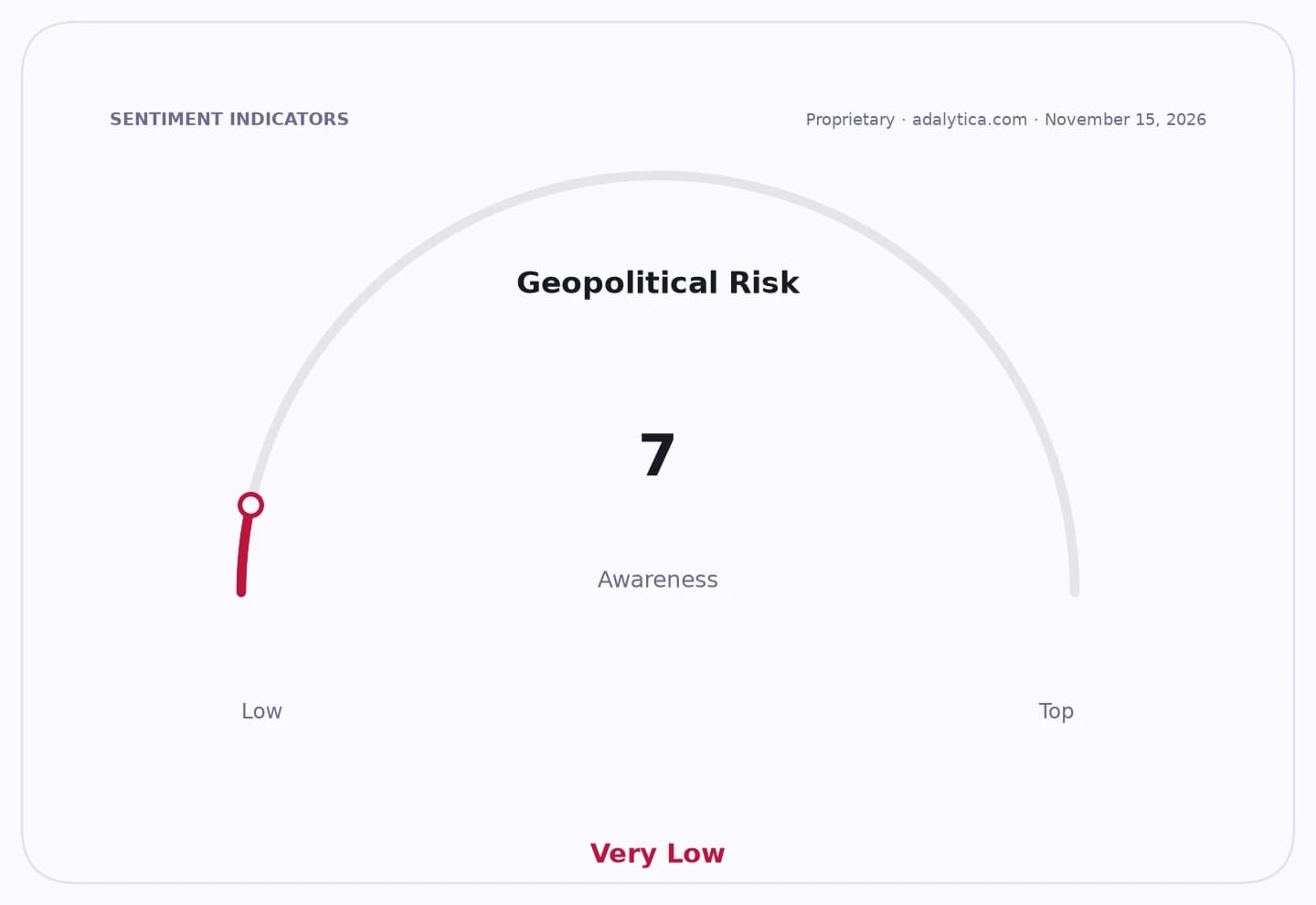
Sentiment Indicators
Vietnam’s leaders will join a packed diplomatic calendar in November, including the APEC summit in Shenzhen and the ASEAN meetings in Manila, giving Hanoi a platform to advance cross-border commerce with Beijing while also balancing ties with other Asian partners. The timing matters because China remains Vietnam’s largest trading partner and a critical conduit for industrial inputs, re-exports and land transport.
That makes the relationship economically important well beyond symbolism. Any improvement in border throughput, anti-smuggling coordination or freight connectivity can lower logistics costs for Vietnamese exporters and Chinese suppliers, while also easing delays for companies running just-in-time production across the two countries.
Investors tend to read that as supportive for supply-chain heavy industries, export logistics and Vietnam’s broader effort to attract foreign direct investment by positioning itself as a more reliable manufacturing base. It also matters for China-focused assets, where sentiment has been fragile: FXI was last at $33.48 on Nov. 13, below its 200-day moving average of $35.26, with the 50-day average at $33.91, while its RSI reading of 62.0 suggests recent momentum has improved but not decisively broken the longer downtrend.
The broader narrative is one of pragmatic economic de-risking rather than decoupling. Vietnam is expanding outreach across Asia even as it leans harder into a more operationally useful partnership with China, betting that smoother trade corridors and transport links can support growth, stabilize supply chains and help the region absorb political volatility.
For investors, the key catalyst is whether the cooperation translates into measurable gains in customs efficiency, cross-border freight volumes and manufacturing investment ahead of the APEC and ASEAN meetings.
| Entity | Gains | Losses |
|---|---|---|
| Vietnam exporters | ▲Faster shipments, lower logistics costs | ▼Border delays, higher transport friction |
| China suppliers | ▲Smoother access to Vietnamese factories | ▼Friction from tighter controls |
| FXI / China equities | ▲Better regional trade sentiment | ▼Continued policy caution and weak sentiment |
| Vietnam economy | ▲More FDI appeal, stronger integration | ▼Dependence on external trade corridors |