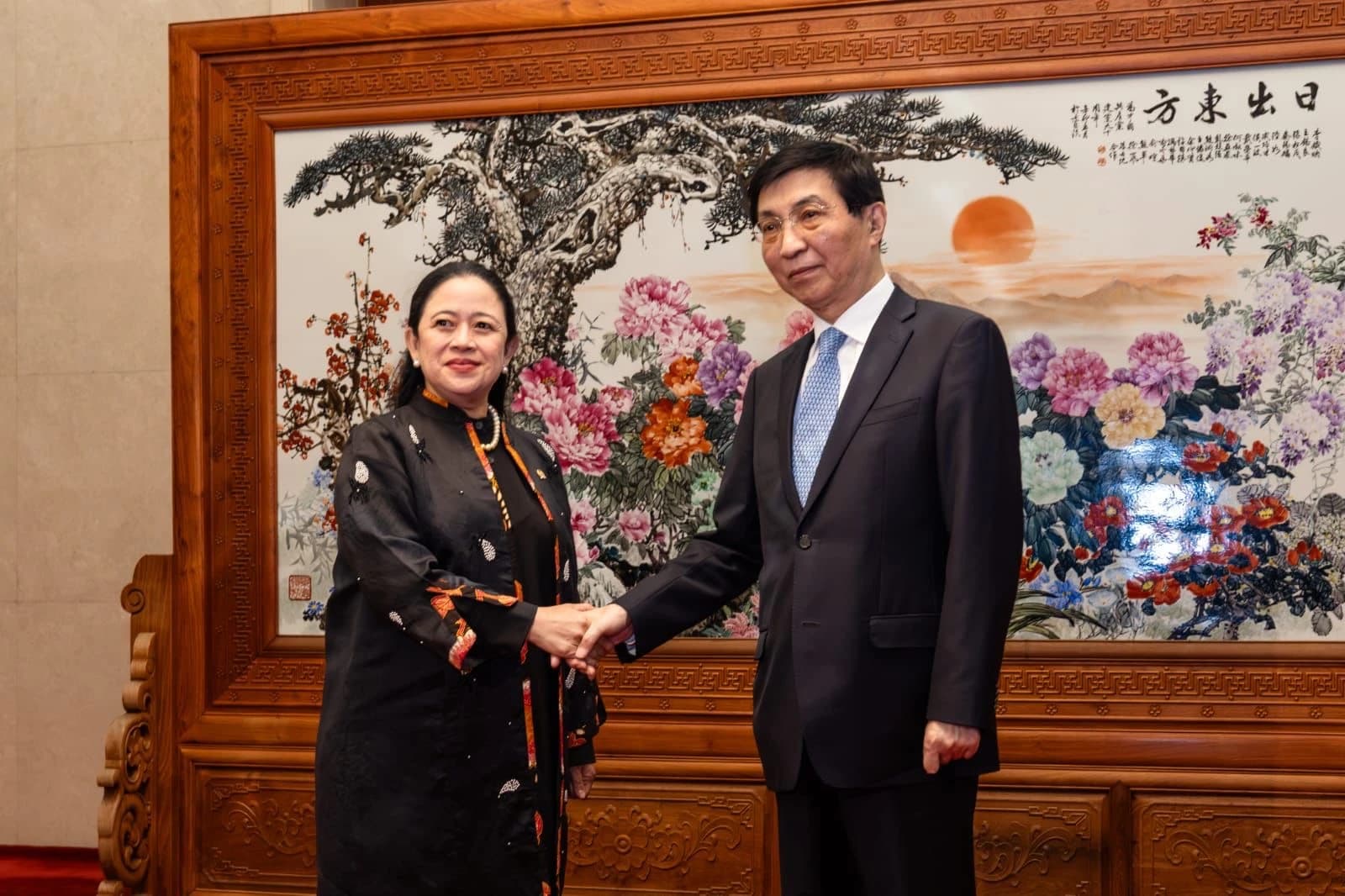
Timor-Leste is using its deepening dialogue with China to bolster its bid for closer ASEAN integration, a move that could eventually widen the country’s trade, investment and infrastructure pipeline.
Timor-Leste Deepens China Ties for ASEAN Bid

Vice Minister of Commerce and Industry Augusto Júnior Trindade took part in a video meeting in Dili focused on strengthening cooperation with China, underscoring how one of Southeast Asia’s smallest economies is leaning on larger regional partners to help modernize its institutions and open its market.
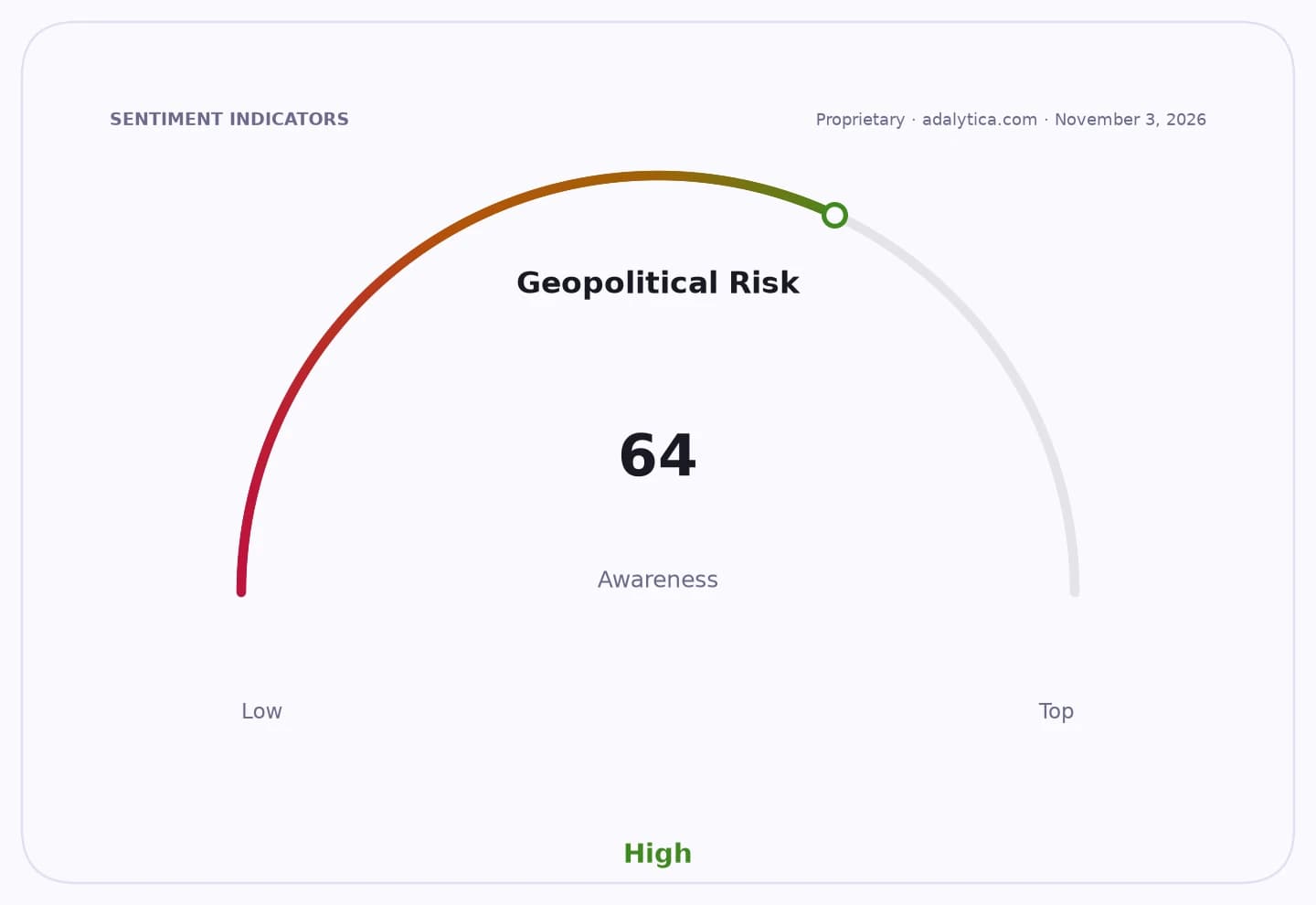
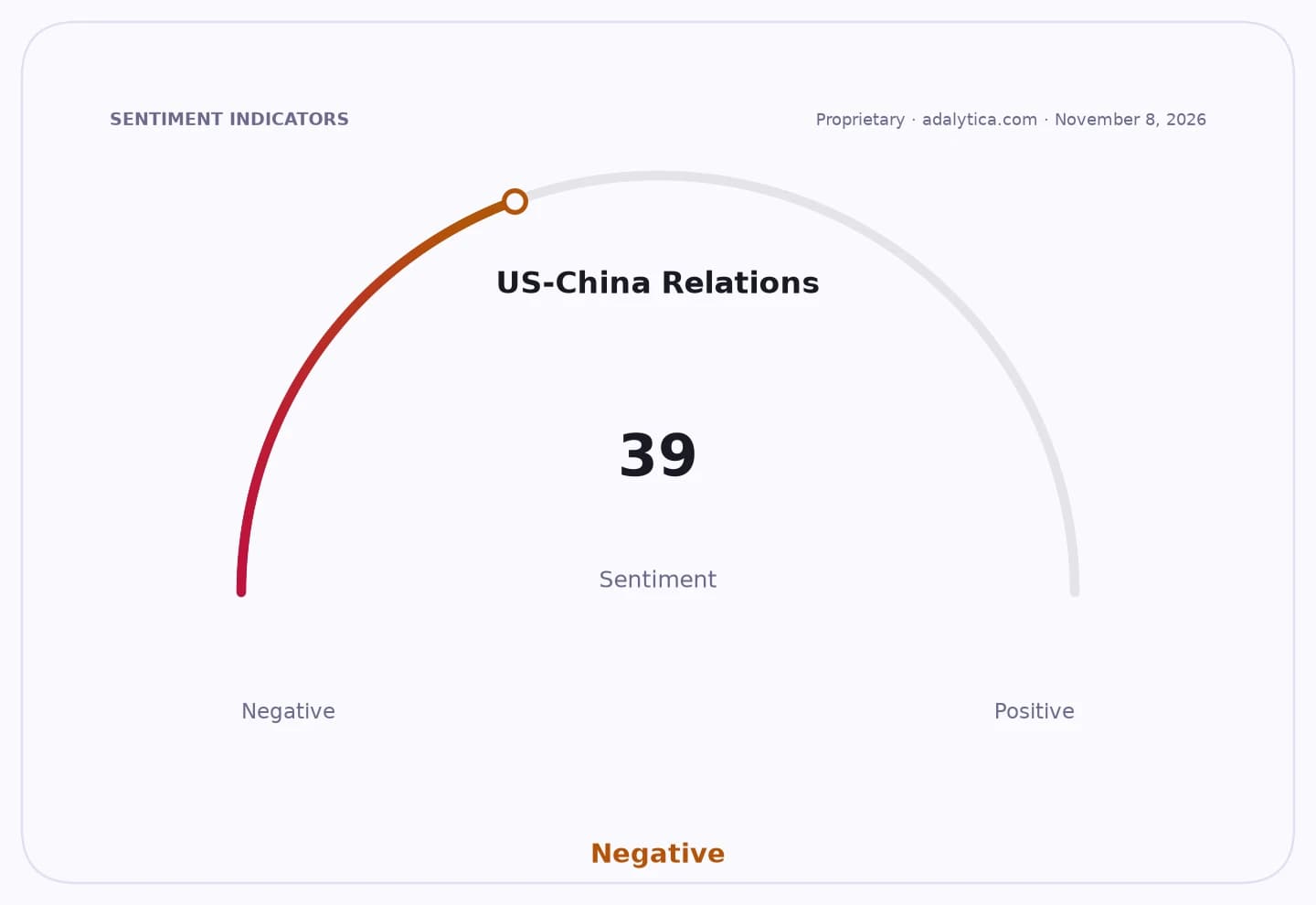
Sentiment Indicators
CCP Policy Direction
That matters because Timor-Leste is still building the basic scaffolding of a more open economy. Officials said the government is pushing ahead with trade facilitation reforms, customs modernization and digital-economy development as it works toward ASEAN integration. For investors, that points to a country trying to make itself more bankable for foreign capital by improving the plumbing that businesses care about most: border processing, regulation, logistics and digital systems.
The meeting, organized to mark the fifth anniversary of the China-ASEAN Comprehensive Strategic Partnership, also highlighted the broader geopolitical logic. Beijing continues to present itself as a partner for trade, infrastructure and institutional capacity-building across Southeast Asia and beyond. In Timor-Leste’s case, the agenda is practical rather than grand: trade and investment, infrastructure, digital transformation, climate adaptation and stronger public-sector capability.
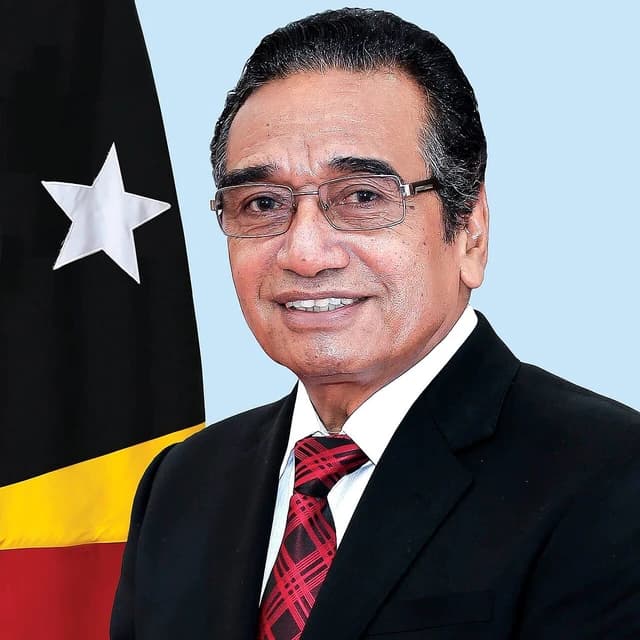
For China, these kinds of engagements support a familiar strategy of widening its economic footprint through bilateral cooperation while reinforcing its regional role inside the ASEAN orbit. For Timor-Leste, the appeal is clearer still. The country is seeking outside support to accelerate reforms and attract the kind of long-term investment that can lift a small, import-dependent economy over time.
Adalytica’s China CCP Policy Direction Sentiment gauge remains elevated, suggesting markets are still viewing Beijing’s outreach as broadly supportive of external engagement. But the more important takeaway for long-term investors is structural: countries that improve customs, digital systems and infrastructure tend to become more investable, even if the payoff arrives slowly.
That is why this meeting should matter beyond diplomatic optics. Timor-Leste is not yet a market investors can easily access at scale, but it is signaling the direction of travel. The more effectively it uses partnerships with China and other regional players to advance ASEAN membership and domestic reform, the better its odds of turning political ambition into economic progress.
| Entity | Gains | Losses |
|---|---|---|
| Timor-Leste | ▲Faster reform support | ▼Isolation from capital flows |
| China | ▲Deeper regional influence | ▼Less room for rivals |
| ASEAN integration push | ▲Broader market access | ▼Slower if reforms stall |
| Existing barriers | ▲Weakened over time | ▼Protected short term |