Vietnam’s central exchange rate climbed to a record on Nov. 17, pushing commercial bank dollar quotes to within striking distance of 26,000 dong and underscoring renewed pressure on the currency as the greenback strengthens globally. For investors, the move matters because a weaker dong can feed import costs, complicate monetary policy and shape returns across banks, exporters and companies with dollar debt.
Vietnam dong hits record low as dollar strengthens
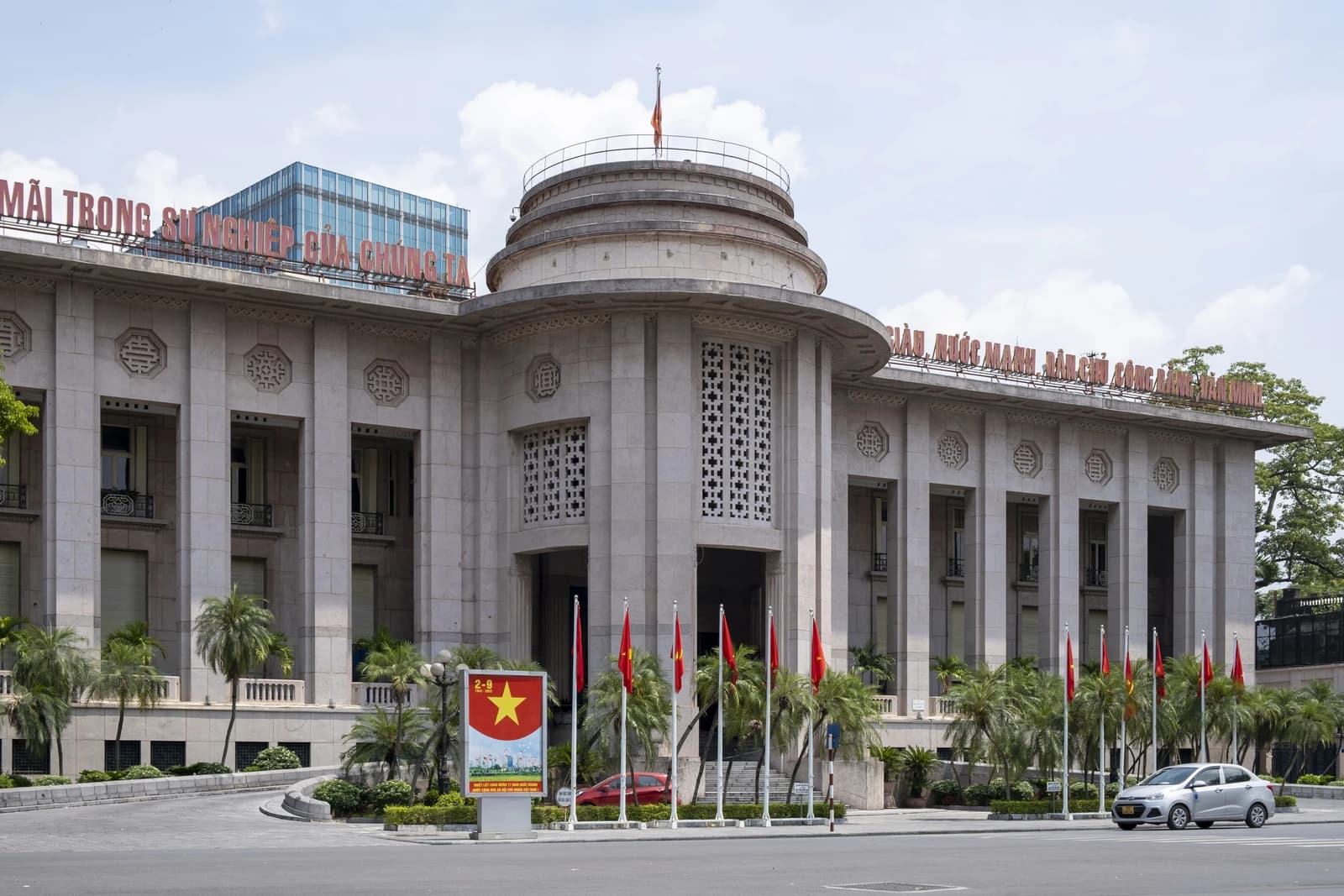
The State Bank of Vietnam set the daily reference rate at 25,652 dong per dollar, up 13 dong from the previous session and above the old peak set in October. With the 5% trading band, banks were allowed to quote as high as 26,935 dong, and some of the biggest lenders briefly posted selling prices around 25,980 dong before easing back. The offshore pressure was visible too, with the free market trading above 26,000 dong.
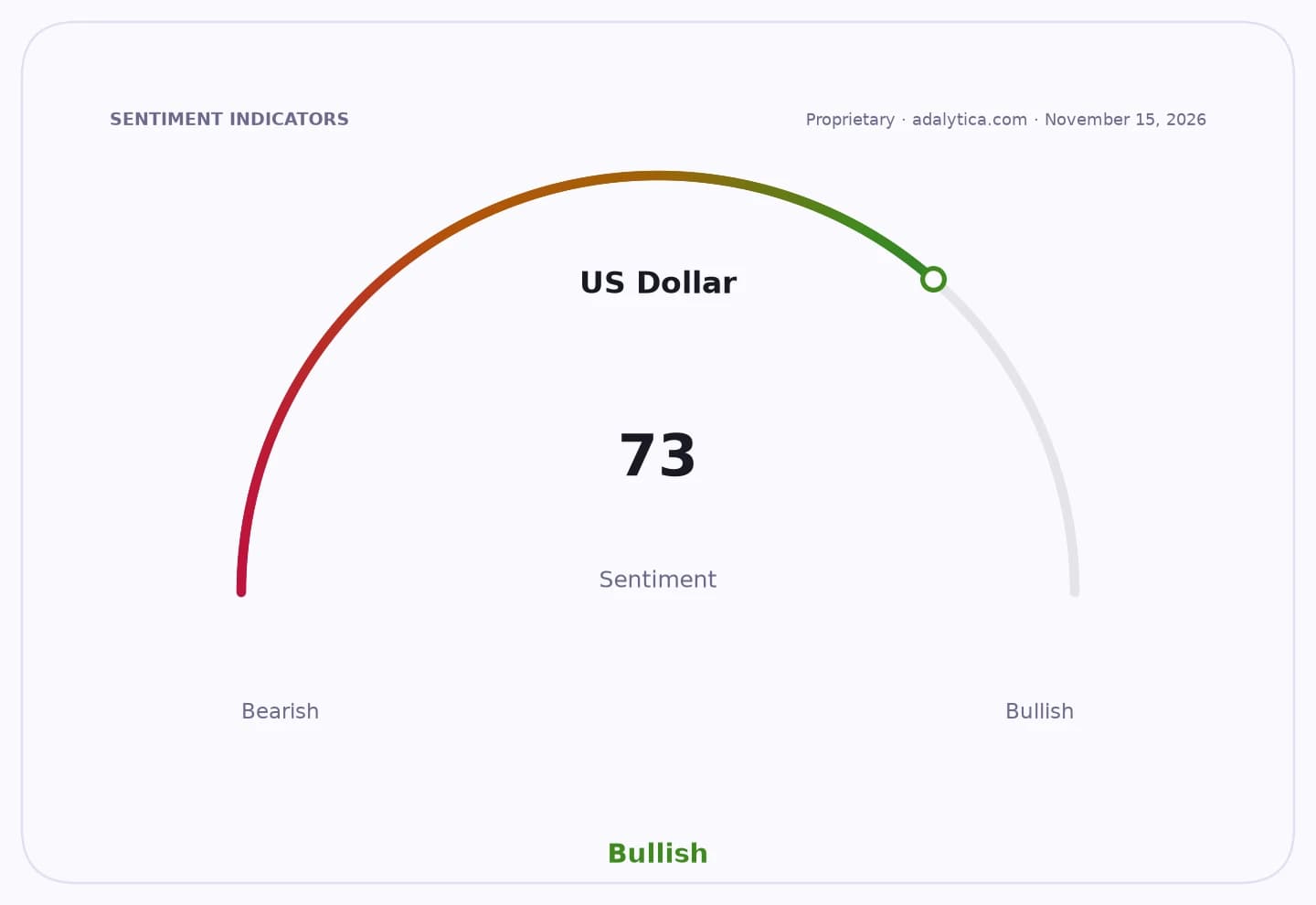
Sentiment Indicators
The main force behind the move is the stronger U.S. dollar, not a sudden loss of confidence in Vietnam’s economy. The dollar index was holding near a 19-month high after hotter-than-expected U.S. inflation revived bets the Federal Reserve will raise rates again in December. When the Fed stays hawkish, capital tends to gravitate toward dollar assets, and emerging-market currencies feel the strain.
That said, Vietnam is not facing a one-way currency story. Trade flows have improved, with October posting a $7.31 billion surplus and narrowing the year-to-date trade deficit. Foreign direct investment disbursements have also remained firm, while tourism and year-end remittances should continue to bring in foreign currency. Those inflows give the dong a cushion and reduce the odds of a disorderly slide.
The central bank is clearly trying to manage the pressure without choking liquidity. It recently used a dollar-dong swap to support cash conditions and has started offering spot dollar purchases from commercial banks again, a notable shift that can both rebuild reserves and add dong liquidity to the system. That combination suggests policymakers are willing to lean against volatility while preserving room to support growth.
For long-term investors, the key question is not whether the dong weakens a little more in the short run, but whether Vietnam’s external balances stay resilient enough to keep the move orderly. A modestly softer currency can help exporters, but it can also squeeze importers, airlines and companies with large foreign-currency obligations. If the U.S. dollar stays strong into year-end, the exchange rate will remain a live macro risk, and one worth keeping on the watchlist rather than panicking over.
| Entity | Gains | Losses |
|---|---|---|
| Exporters | ▲Better dong revenue conversion | ▼Higher imported input costs |
| Importers | ▲— | ▼More expensive dollar purchases |
| State Bank of Vietnam | ▲More reserve flexibility | ▼Harder currency management |
| Dollar holders | ▲Stronger buying power | ▼— |