Rice prices in Vietnam’s Mekong Delta edged higher on Nov. 7, with OM 18 and Dai Thom 8 both rising 100 dong a kilogram, a small move that underscores a market balancing firm export demand against a still-stable domestic supply chain.
Vietnam rice prices edge higher in Mekong Delta
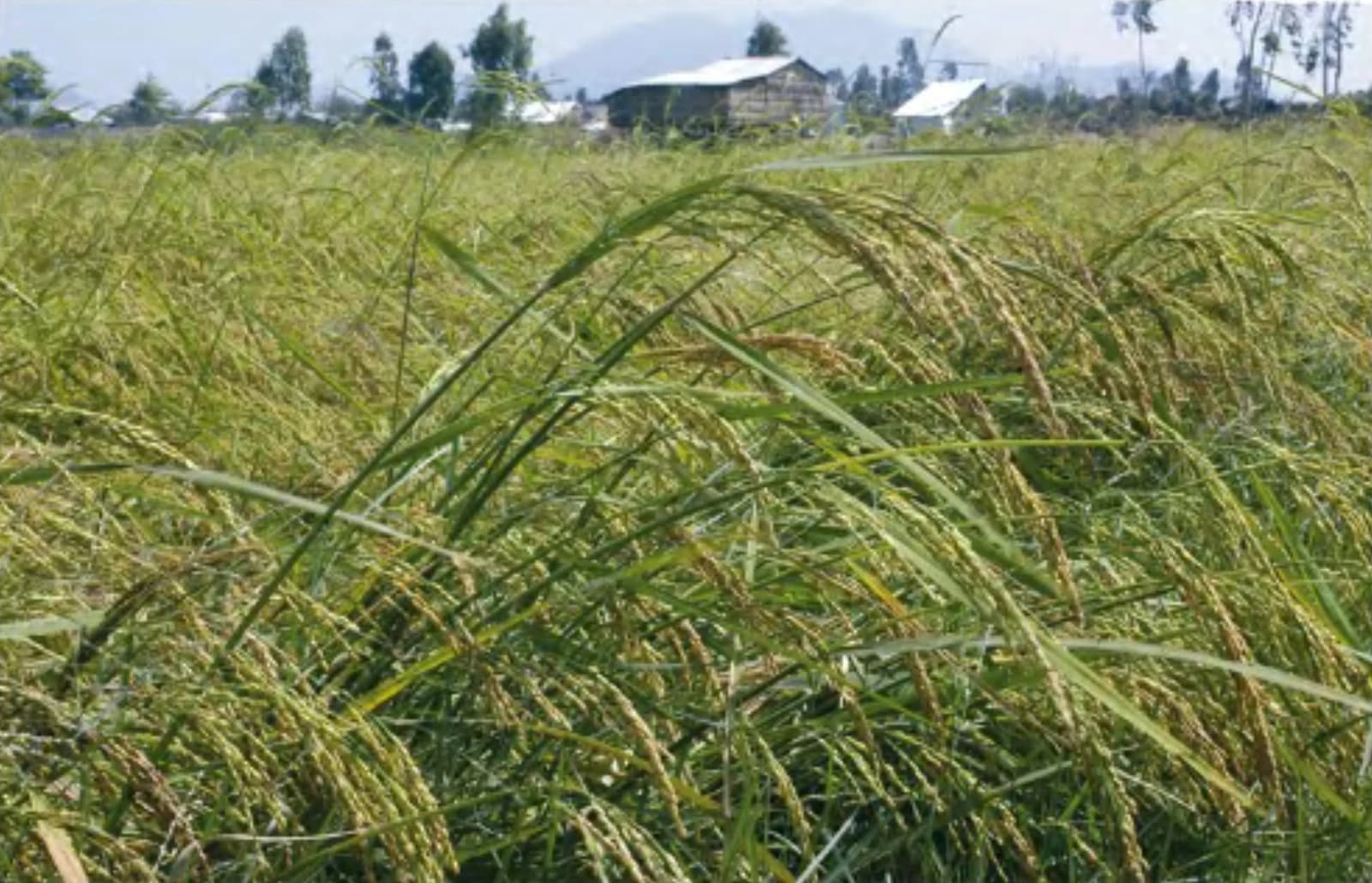
The increase is modest, but it matters because paddy prices are often the first place farmers and millers feel shifts in export orders and local supply conditions. In An Giang, fresh paddy for Dai Thom 8 and OM 18 was quoted at 6,600-6,800 dong a kilogram, while other varieties such as DS1, OM 34, OM 5451 and IR 50404 were broadly unchanged. That suggests the market is not in a broad-uptrend yet, but premium fragrant rice is attracting slightly better bids than the main commodity grades.
Milled rice and byproducts remained steady, with IR 504 raw rice at 9,350-9,500 dong a kilogram, CL 555 at 9,350-9,450 dong, fragrant broken rice at 10,700-10,800 dong and bran at 8,250-8,350 dong. Stability in these downstream prices points to a market that is absorbing near-term supply without obvious stress, even as selected paddy varieties firm.
The export backdrop is more important for investors and traders than the one-day domestic move. Vietnam’s Jasmine rice stayed at $535-$539 a ton, fragrant 5% broken at $500-$515 and white 5% broken at $425-$429, according to the Vietnam Food Association. Those quotes were little changed, implying that the domestic lift in fragrant paddy prices has not yet fed through to a broader reset in export pricing.
That keeps Vietnam in the middle of a regional competition for market share. Thai white 5% broken rice remained the highest quoted among major exporters at $475-$479 a ton, while Pakistan and India were lower at $412-$416 and $385-$389 respectively for white 5% broken rice. For buyers, the gap reinforces Southeast Asia’s role as a price-sensitive but quality-diverse market, with Vietnam’s fragrant grades holding a premium while its mass-market rice still competes on price.
The broader regional picture also argues for watching ASEAN demand, not just Vietnam’s harvest cycle. Thailand’s exports to ASEAN more than doubled to about 1.25 million tons in the first nine months of 2026, helped by stronger buying from the Philippines and Malaysia. That matters for Vietnam because it highlights how importers in the region are rebuilding stocks as local production faces weather and output pressures, a pattern that can support prices even when spot domestic markets look calm.
For now, the message from Vietnam’s rice market is that the trade remains selective rather than broad-based. Premium paddy is inching higher, export quotations are steady, and the key risk is whether weather, production and government stock policies tighten supplies enough to lift the wider complex. Investors will be watching export volumes, regional procurement and any official interventions for signs that this mild price uptick becomes something more durable.
| Entity | Gains | Losses |
|---|---|---|
| Fragrant paddy farmers | ▲Slightly better farmgate prices | ▼Limited upside if supply stays ample |
| Rice millers | ▲Stable input costs on most grades | ▼Narrower margins if paddy rises further |
| Vietnam exporters | ▲Steady fragrant-rice premium | ▼Pressure from cheaper Indian and Pakistani supply |
| ASEAN importers | ▲Reliable nearby supply | ▼Higher costs if regional stockpiling continues |