A Cuban mother’s complaint that families “have to feed our children” lands at the center of a broader inflation story: when staple food prices rise, the shock is felt immediately in household budgets, political pressure and trade flows.
Rice Prices and Food Inflation Pressure
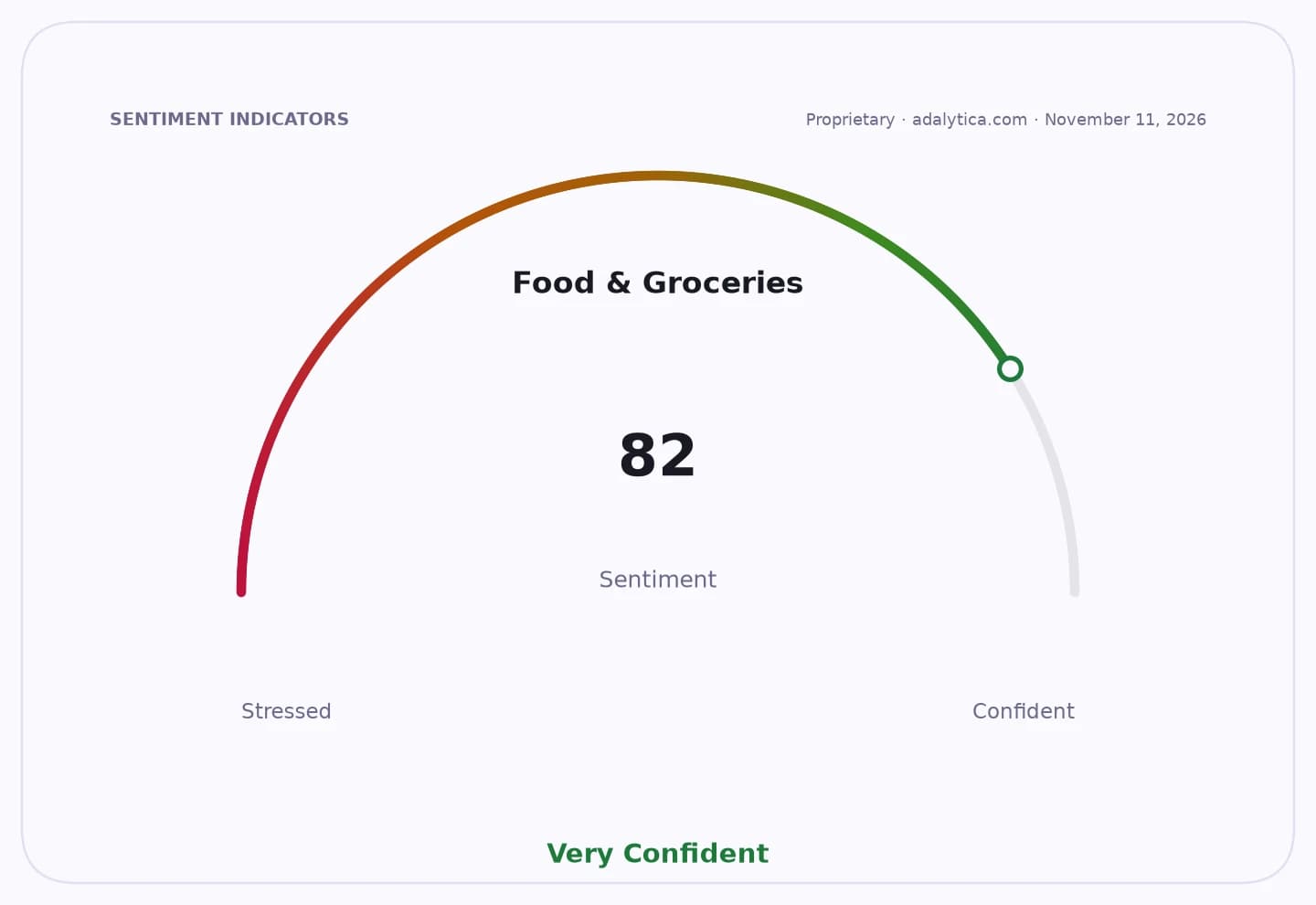
Food & Groceries
Rice is not just another commodity in this moment. It is a daily necessity in a region where food spending takes an outsized share of income, so even a modest increase can force families to cut elsewhere. That is why the price of rice matters far beyond the kitchen table: it speaks to purchasing power, social stability and the durability of inflation in essential goods.
Sentiment Indicators
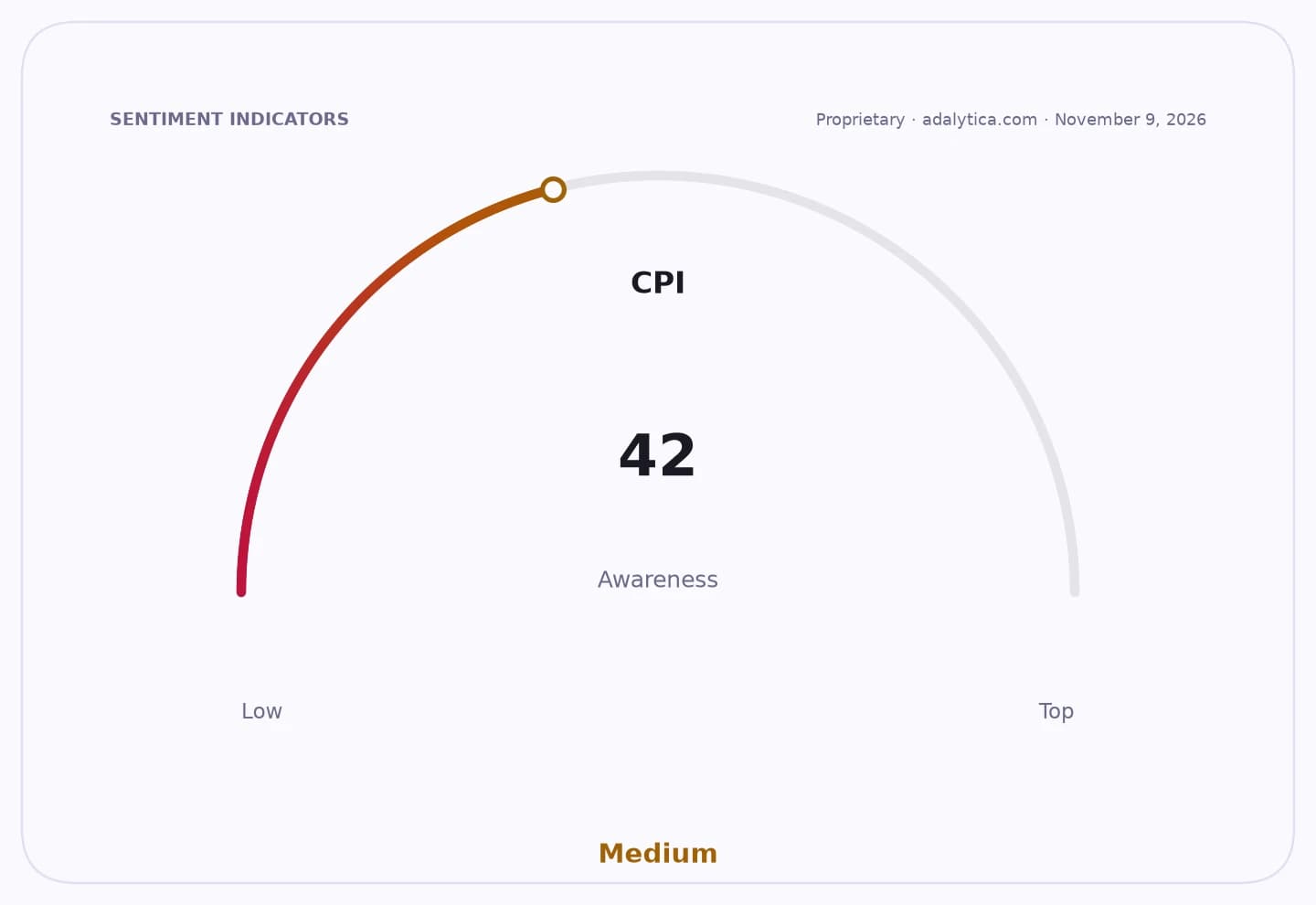
CPI
The economic backdrop is still hostile for consumers. U.S. consumer prices, as measured by the CPI series in the data context, have climbed to 337.476 in October from 333.979 in May, while the producer price index has rebounded to 295.708 in September from 284.973 in July. In other words, input costs and final prices remain sticky enough to keep pressure on food retailers, importers and low-income households even as headline moves may look contained month to month.
That strain is showing up in market signals too. Adalytica’s Food and Grocery Spending sentiment sits at 29, a “Fear” reading, with awareness in “Extreme Fear,” suggesting consumers are still bracing for higher bills rather than easing into relief. The CPI sentiment gauge is at 90, or “Extreme Greed,” underscoring how quickly inflation narratives can reprice as investors and policymakers look for the next food-cost flare-up.
Food & Groceries — 30-day sentimentadalytica.com
Explore this data interactively — full history, time series and cross-market comparisons.
Rice itself is flashing a classic supply-side warning. In the data context, the broader agricultural basket has softened recently, but rice-linked funds are still volatile and sensitive to weather, trade and policy. Wheat ETF WEAT dropped to $21.57 on November 12 from $26.96 in early September, while the agriculture basket DBA slipped to $26.30 from a September peak of $29.32. That divergence matters: it suggests investors are already rotating within food commodities, but not abandoning the idea that staple prices can re-accelerate when supply tightens.
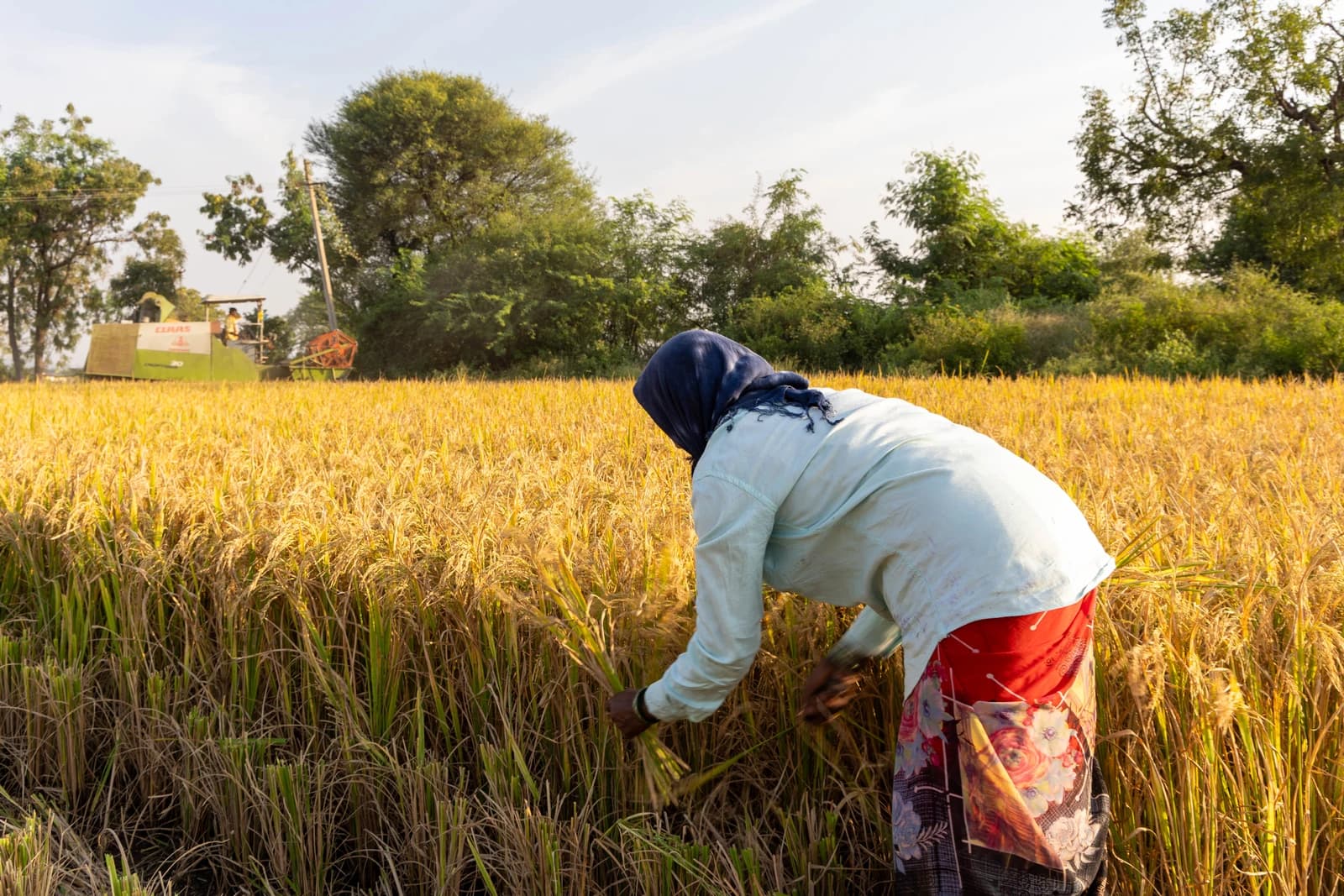
The news on rice prices in Vietnam sharpens that point. Export rice prices surged even as domestic prices stayed stable, a sign that global demand and local policy are pulling in different directions. Authorities have stepped in with measures such as preparing 1 million tons of subsidized SPHP rice and handing out cheaper rice to garment workers, a reminder that governments intervene fastest when staple inflation becomes a political problem. Farmers, meanwhile, are pushing harder on pricing, while climate-related yield losses of 20% to 30% keep supply fragile.
For investors, the message is straightforward: food inflation is not a solved problem, and rice is one of the most politically sensitive corners of the commodity complex. The market may be focused on energy, AI and rate cuts, but the next inflation surprise could come from the dinner table, not the dashboard.
Our thesis is that the real opportunity sits with the toll roads of the food system: agri-logistics, grain traders, fertilizer names, irrigation and seed technology, and ETFs or producers tied to staples rather than discretionary food inflation losers. If rice prices stay elevated, the beneficiaries will be the upstream suppliers and storage operators; the losers will be consumers, import-dependent governments and retailers with little pricing power. Position early, because when staple inflation turns visible, policy usually follows — and markets rarely wait for the headline to catch up.
| Entity | Gains | Losses |
|---|---|---|
| Rice exporters | ▲Higher export prices | ▼Potential government controls |
| Consumers | ▲Temporary relief from subsidies | ▼Higher grocery bills |
| Governments | ▲Political cover from intervention | ▼Fiscal strain |
| Food retailers | ▲Better inventory turnover | ▼Margin pressure |