Global food prices fell in October for a second straight month, but gains in rice and sugar suggest climate shocks and trade disruptions are still keeping parts of the market tight, with implications for inflation and food-importing economies.
FAO food prices fall as rice and sugar rise
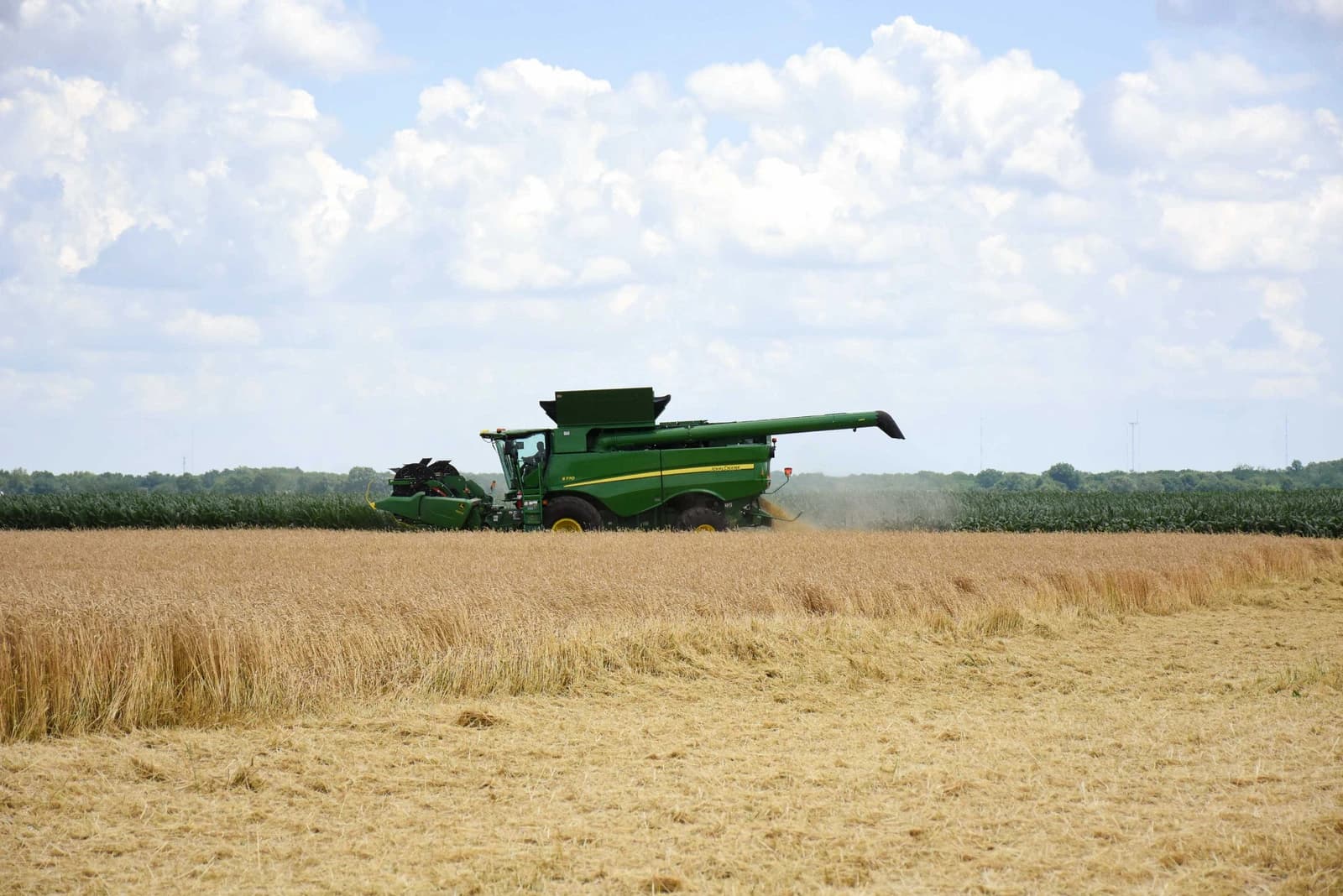
The UN Food and Agriculture Organization said its food price index, which tracks a basket of staple commodities, dropped 1.2% from September, led by a 4.5% decline in grains. Wheat prices eased on weaker demand and better crop prospects in major producers such as Argentina, while corn slipped from a three-year high as U.S. yields came in stronger than expected.
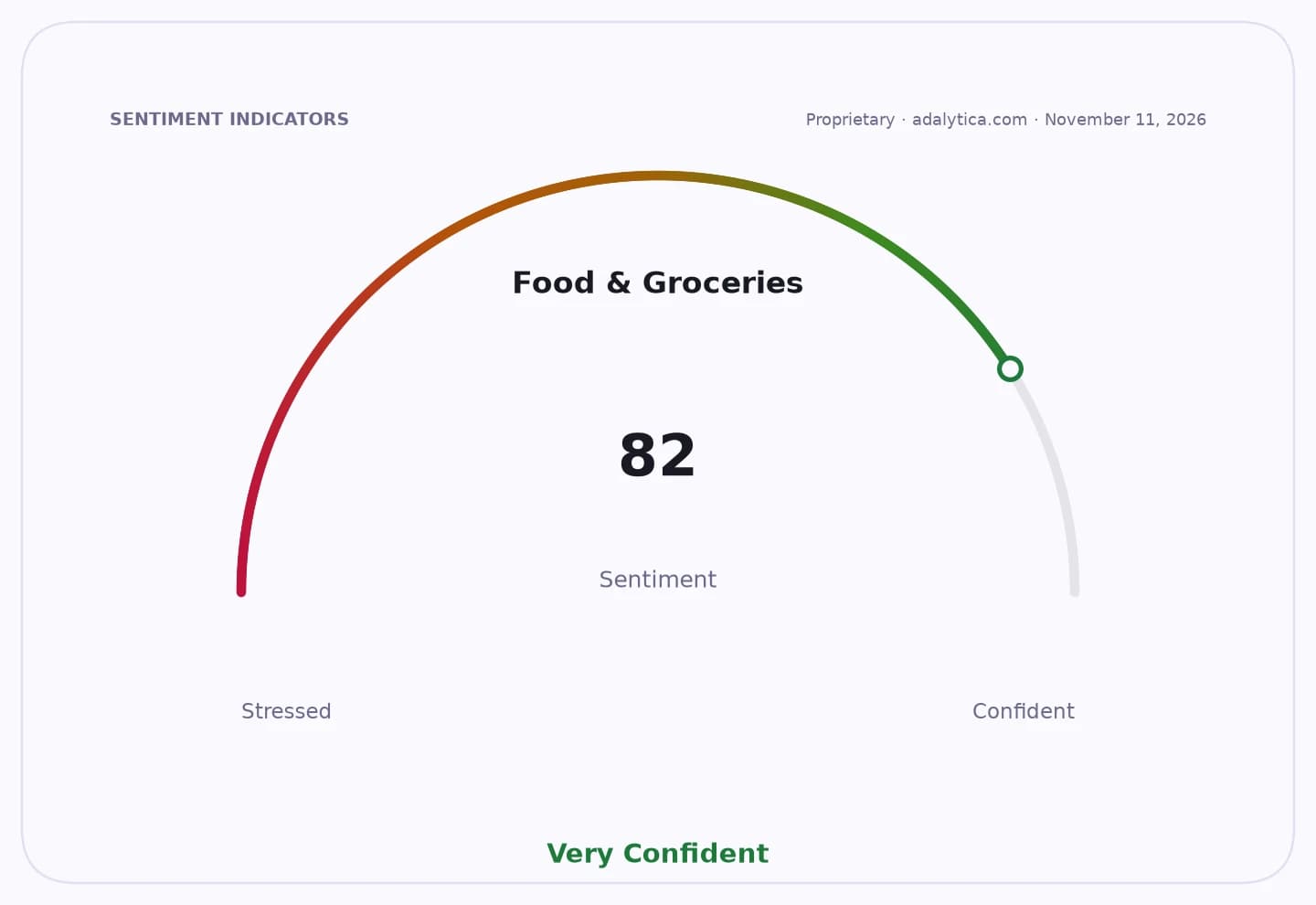
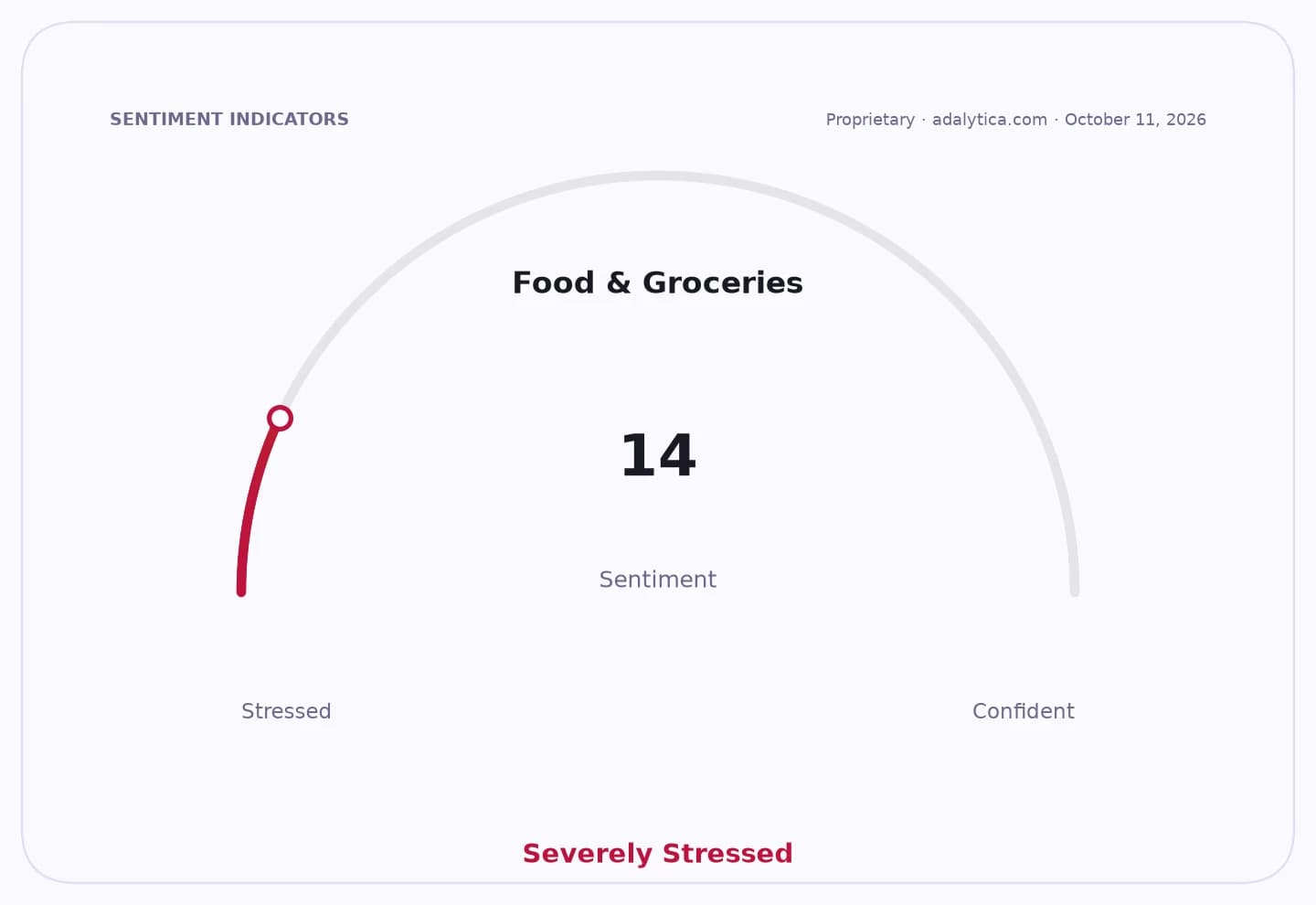
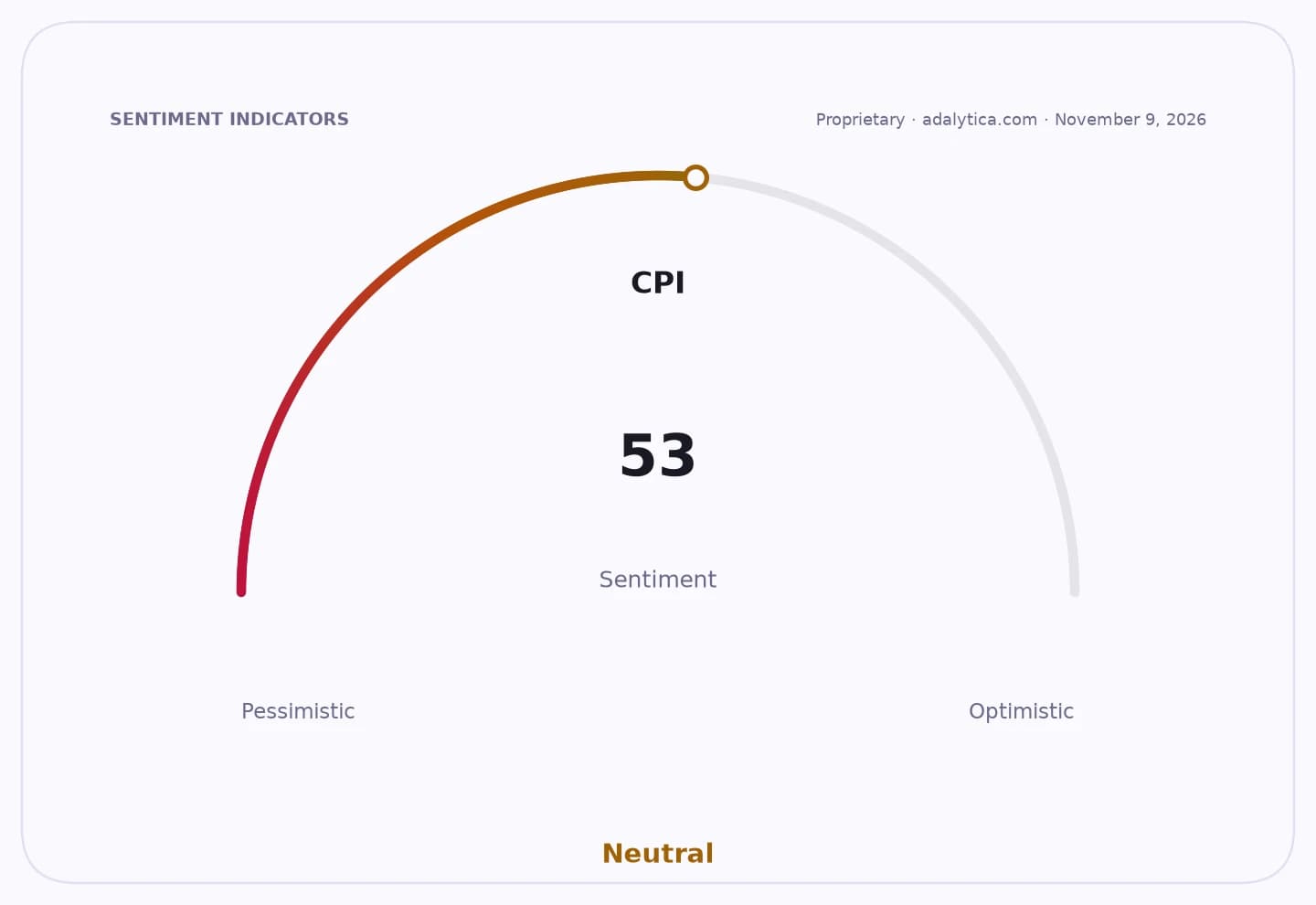
Sentiment Indicators

That offers some relief for consumers and central banks that have been watching food inflation remain sticky even as energy and some industrial commodity prices cool. But the broader picture is less benign: the FAO index is still 5.9% higher than a year ago, reflecting climate-related disruptions and geopolitical strains, and remains 16.4% below the March 2022 peak reached after Russia’s invasion of Ukraine upended grain and fertilizer flows.
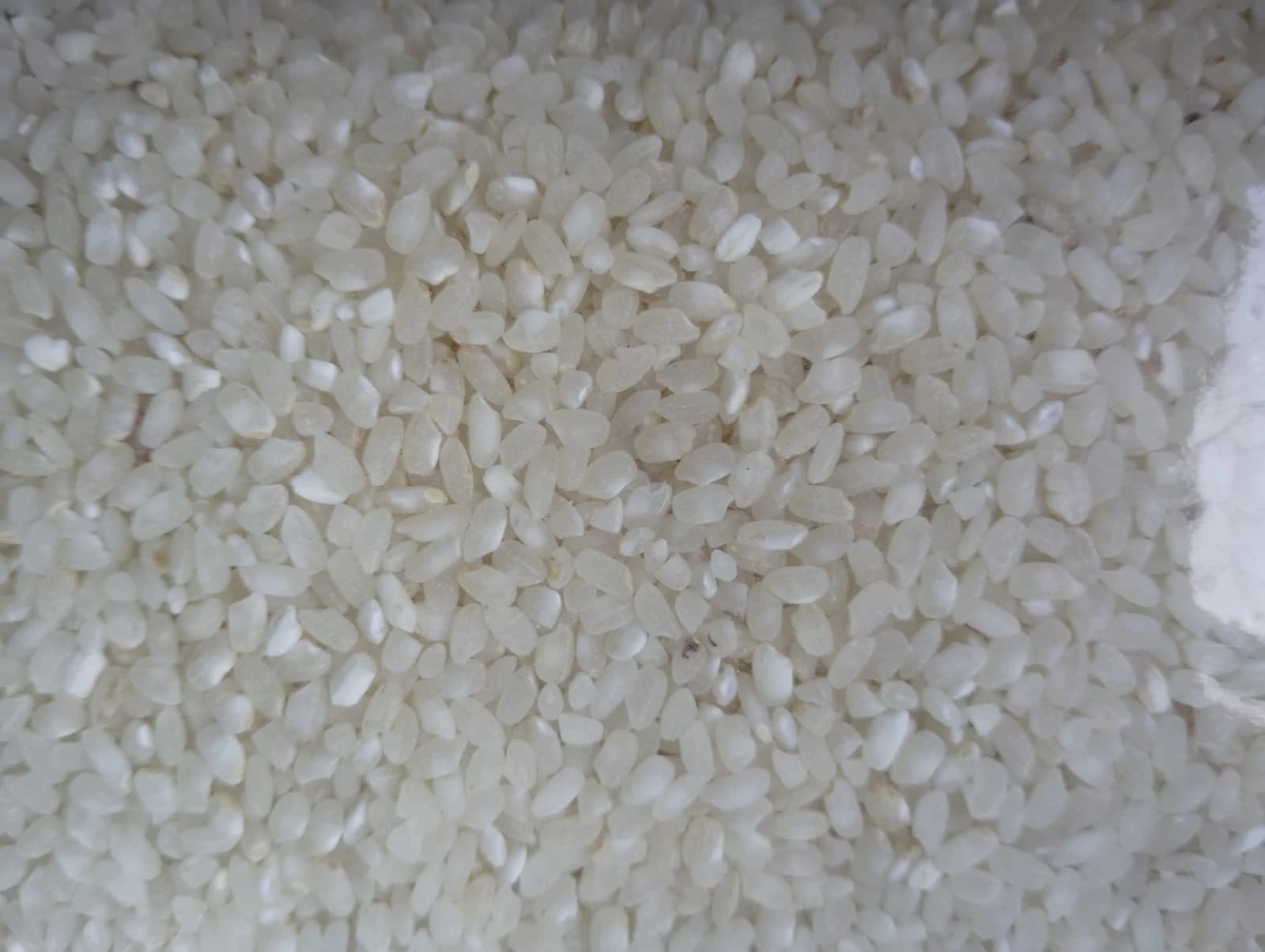
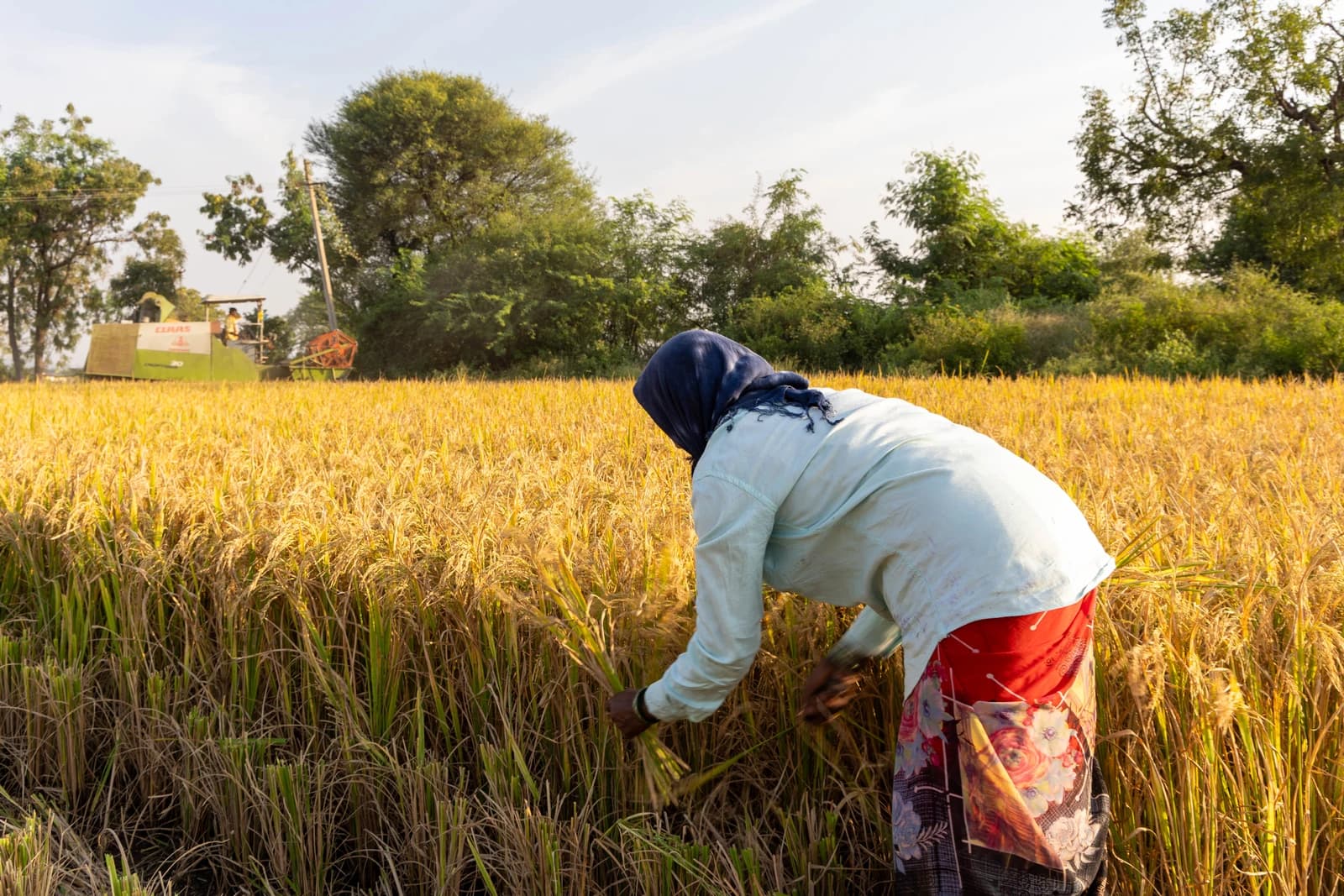
Rice is the clearest exception. Prices rose 1.6% on the month and 14% on the year as harvest delays in major exporting countries slowed shipments to Asian markets and weather uncertainty clouded supply. The FAO also cut its outlook for global rice production, now expecting output to shrink this year for the first time in four seasons to 522 million tons, a 2.5% annual decline, as El Nino-related weather hurts yields.
Sugar is following a similar pattern of supply stress. Prices climbed 6.6% in October and 28.8% from a year earlier to their highest level since December 2024, as rain disrupted cane harvesting in Brazil and production prospects in India, Thailand and the European Union remained uncertain.
For investors, the data reinforce a mixed setup across agricultural markets. Broad softening in grains and oils eases pressure on food processors, livestock producers and consumer-goods companies exposed to input costs, while persistent strength in rice and sugar keeps a floor under prices for importers and downstream buyers. The divergence also matters for inflation trades: headline food disinflation may continue, but the risk of renewed spikes in essential staples remains elevated if weather and Black Sea shipping conditions deteriorate.
Markets tied to soft commodities are already reflecting that split. Teucrium’s Corn ETF has retreated from an October peak as grain prices eased, while wheat-focused funds have also come off recent highs. By contrast, the persistence of tight rice and sugar fundamentals argues against assuming that food inflation has been solved — only that the pressure is becoming more uneven.
The key question heading into year-end is whether better harvests in the Americas and a calmer Black Sea can outweigh weather-related losses in Asia and Brazil. If they do, the FAO index could keep drifting lower. If they do not, consumers could face another round of price pressure in the very staples that matter most for daily spending and emerging-market inflation.
| Entity | Gains | Losses |
|---|---|---|
| Food importers | ▲Lower grain costs | ▼Rice and sugar inflation |
| Consumers | ▲Cheaper bread and feed | ▼Higher staple food bills |
| Agricultural exporters | ▲Better crop pricing in tight markets | ▼Weaker grain prices in soft markets |
| Food processors | ▲Easier input-cost pressure | ▼Margin squeeze from sugar and rice |