Rice inflation in Indonesia eased to 3.73% in September, the lowest in four years, underscoring how state reserves and food assistance are helping keep the country’s most politically sensitive staple from feeding broader price pressures.
Indonesia rice inflation eases to four-year low
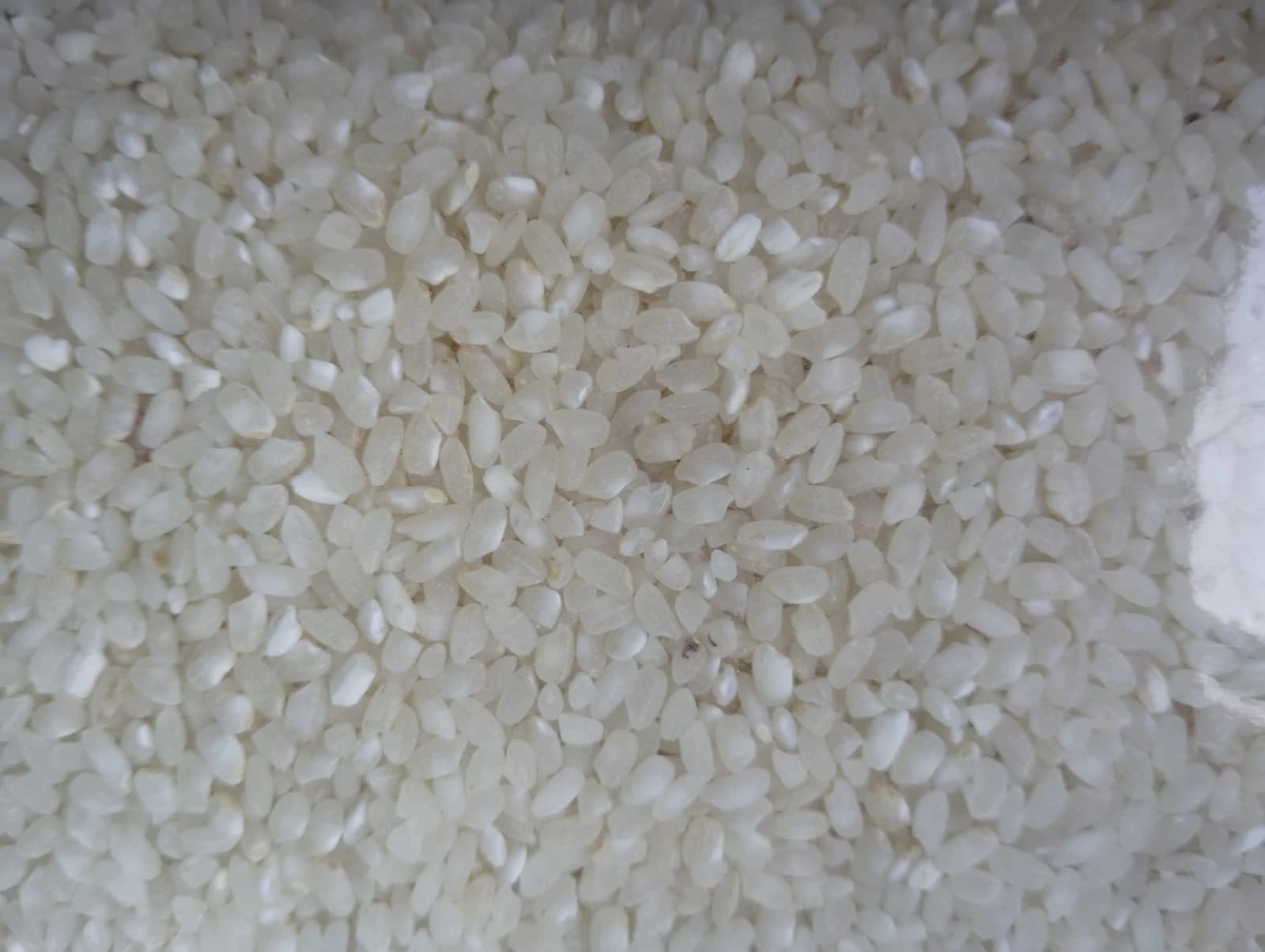
That matters because rice is a key driver of household spending in Southeast Asia’s largest economy, and shifts in its price quickly filter into headline inflation, disposable income and monetary policy expectations. A stable rice market gives policymakers room to focus on growth and keeps a lid on the risk that food costs spill into wages and other goods and services.
Sentiment Indicators

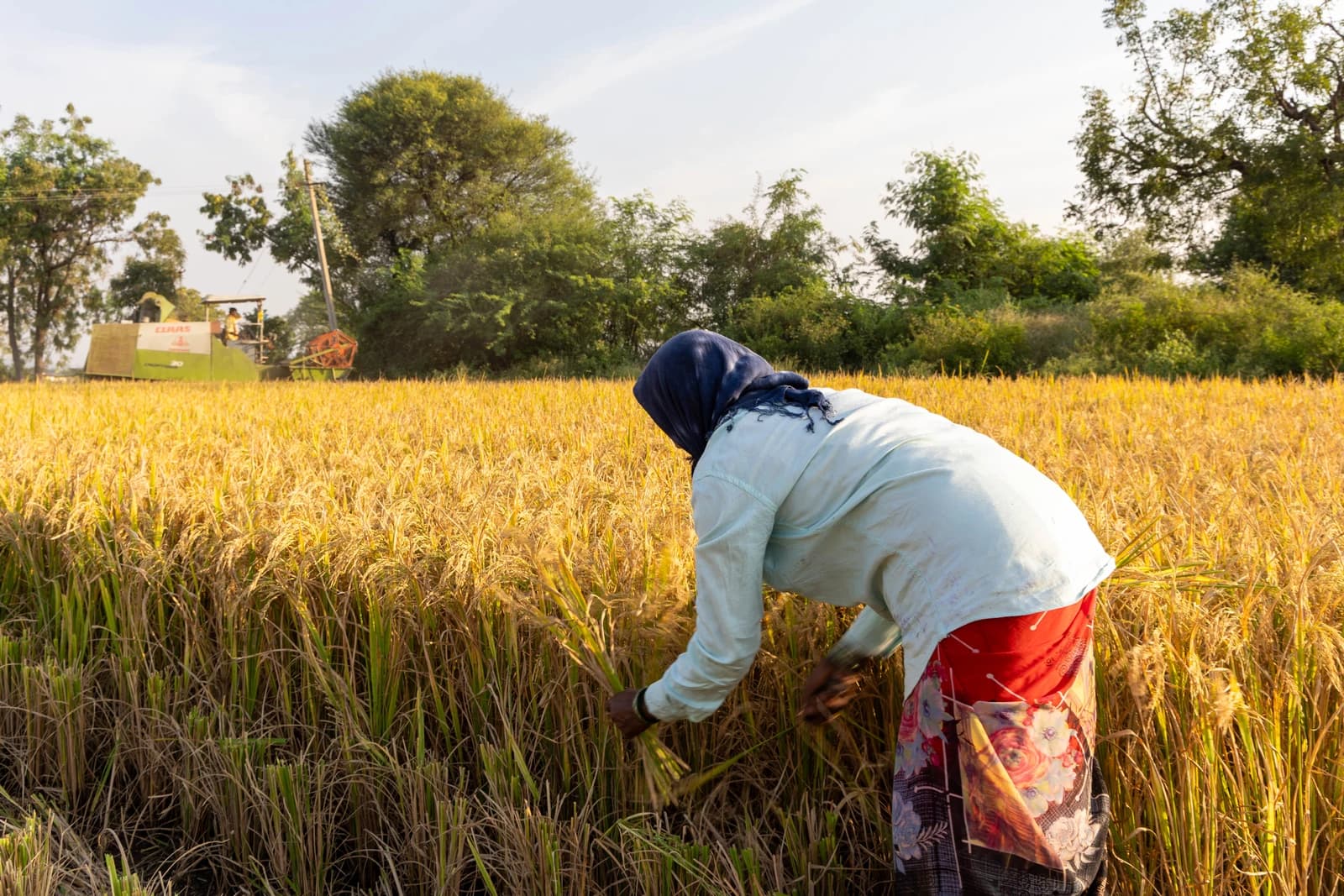
Indonesia’s food strategy is doing much of the heavy lifting. The government has strengthened its rice reserves and stepped up food aid to support supply and smooth prices in local markets, according to state news agency ANTARA. Those efforts are particularly important as climate volatility and global grain markets remain unstable, with international rice prices having risen for seven straight months and forecasts pointing to further gains next year if El Niño disruptions materialize.
For investors, the immediate read-through is to domestic inflation, consumer spending and policy credibility. Lower rice inflation reduces pressure on Bank Indonesia to stay hawkish, while also supporting real incomes for lower- and middle-income households that spend a large share of their budgets on food. It is also a positive sign for food retailers and packaged-goods producers, which benefit when price spikes ease and demand becomes less distorted by panic buying or government intervention.
The contrast with global grain markets is notable. Wheat has been under pressure, but rice is still vulnerable to tighter export availability and weather-related supply shocks. That leaves Indonesia’s reserve management, import policy and distribution network as the main swing factors heading into year-end. If those hold, rice should remain a source of inflation relief rather than a fresh macro risk.
| Entity | Gains | Losses |
|---|---|---|
| Indonesian consumers | ▲Lower food bills | ▼Less urgency for wage relief |
| Bank Indonesia | ▲More policy flexibility | ▼Less justification for tightening |
| Food retailers | ▲More stable demand | ▼Fewer inflation-driven margin boosts |
| Global rice exporters | ▲Higher prices | ▼Import-sensitive buyers |