A viral TikTok trend showing people sorting rice for extra income is drawing attention because it lands in the middle of a fragile rice market, where governments are trying to steady prices and protect supplies.
Rice prices, Indonesia distribution, TikTok sorting trend
The social-media oddity points to a broader economic strain: when a low-tech side hustle around basic food processing catches on, it is usually a sign that margins are thin, labor is cheap and households are searching for cash flow wherever they can find it. That matters far beyond the app. Rice remains one of the world’s most sensitive staple foods, and recent efforts by officials in Indonesia and elsewhere to support distribution and production underscore how exposed the market still is to weather shocks, trade restrictions and supply bottlenecks.
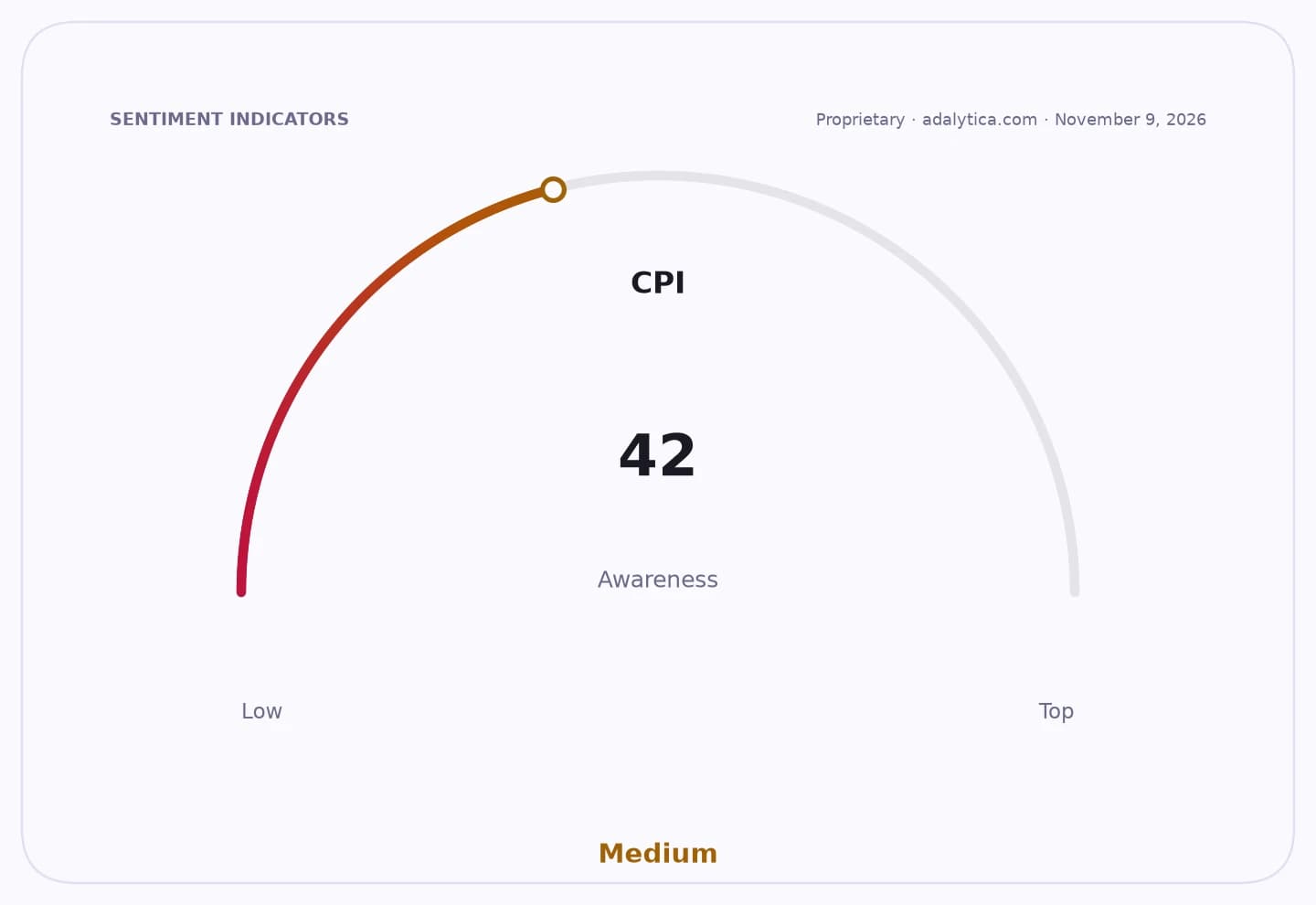
Sentiment Indicators
The backdrop is already uneasy. Bulog has stepped up rice distribution to help stabilize prices, while concerns over possible export limits on broken rice have added another layer of uncertainty. At the same time, recovery work continues in Aceh after damage to rice fields from recent disasters, and policymakers are also dangling incentives to lift fragrant rice output and promote more sustainable farming. In other parts of Asia, the push to deploy higher-quality rice models reflects the same underlying problem: keeping output steady enough to prevent price spikes.
That supply anxiety is not confined to one country. The FAO has warned of declines in cereal production, including rice, while adverse weather has created what officials and growers describe as a double crisis for rice farming. For consumers, that raises the risk of more volatile food inflation. For producers and traders, it means every disruption — from rainfall patterns to export policy — can move prices quickly.
Food & Groceries — 30-day sentimentadalytica.com
Explore this data interactively — full history, time series and cross-market comparisons.
Investors should not read the TikTok trend as a direct market signal, but as a useful cultural marker of stress in the food system. In a world where staple food prices can ripple into inflation data, consumer spending and election politics, even a viral side hustle can be a tell: it suggests people are trying to monetize small inefficiencies in a market that is not functioning smoothly enough.
For grocery and consumer-staples investors, the message is mixed. On one hand, tighter rice supplies and firmer food prices can support revenue for retailers and packaged-food sellers with pricing power. On the other, prolonged volatility raises input-cost risks and can pressure lower-income consumers, who may trade down or cut discretionary spending. The key test will be whether distribution efforts and production incentives can outpace weather damage and policy uncertainty before price pressure feeds into broader food inflation.
| Entity | Gains | Losses |
|---|---|---|
| Rice distributors / Bulog | ▲Higher policy relevance | ▼Greater logistical burden |
| Rice farmers | ▲Potential incentives | ▼Weather and yield risk |
| Consumers | ▲More stable supply if interventions work | ▼Higher food bills if shortages persist |
| Grocery retailers / staples firms | ▲Pricing power | ▼Margin pressure if costs stay volatile |