JA Sado and local wholesalers have begun a sales push for new rice from Sado, underscoring how a bigger 2025 crop can quickly turn into a marketing problem if supply outpaces demand.
JA Sado Starts New Rice Sales Push
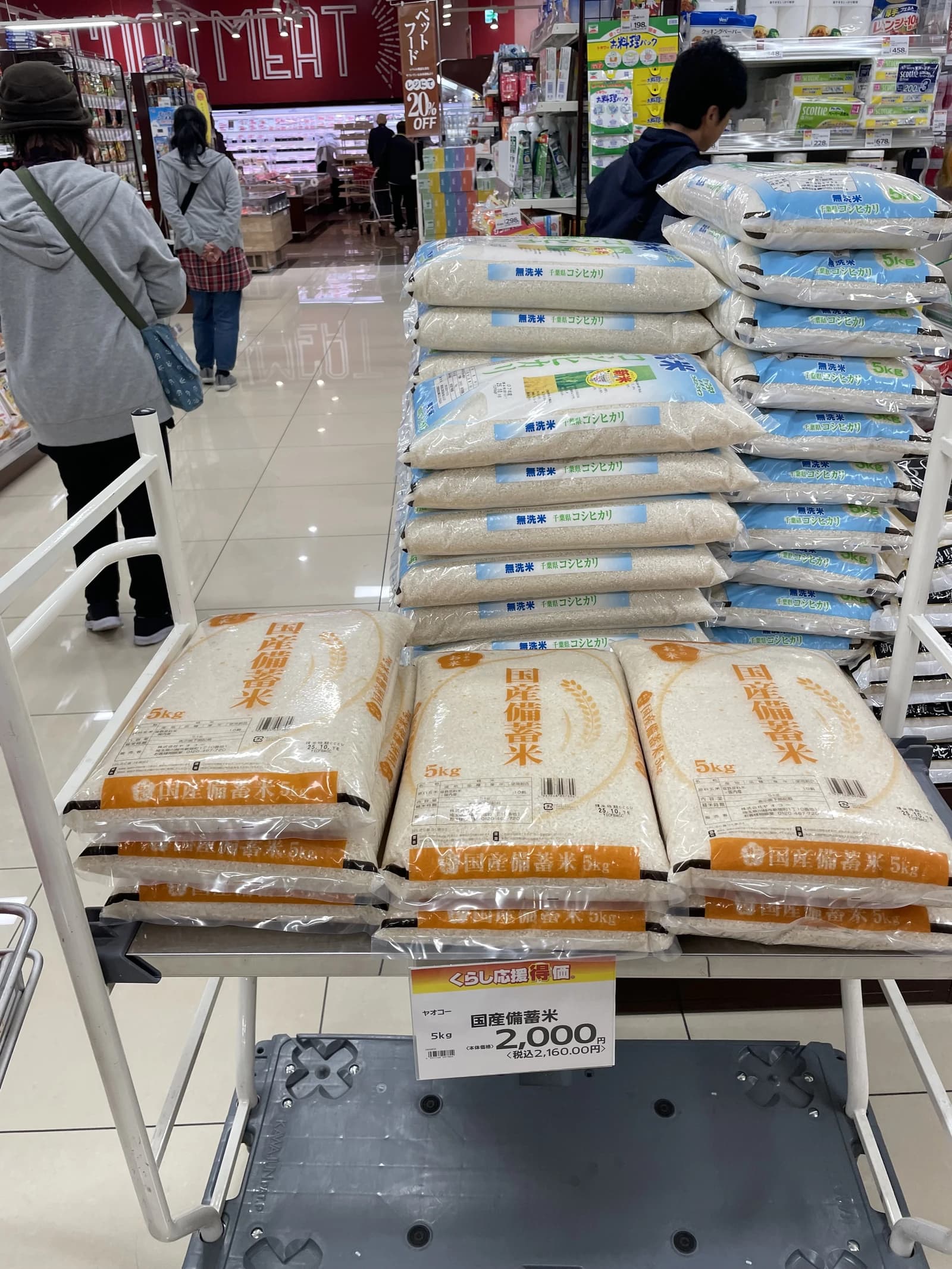
The immediate issue is not production, but pricing power. In Japan’s rice market, a strong harvest is usually welcome until inventories build faster than retail and wholesale channels can absorb them. That can pressure farmgate prices, squeeze co-op margins and force distributors to lean harder on promotions, branded positioning and relationships with supermarket buyers to protect value.
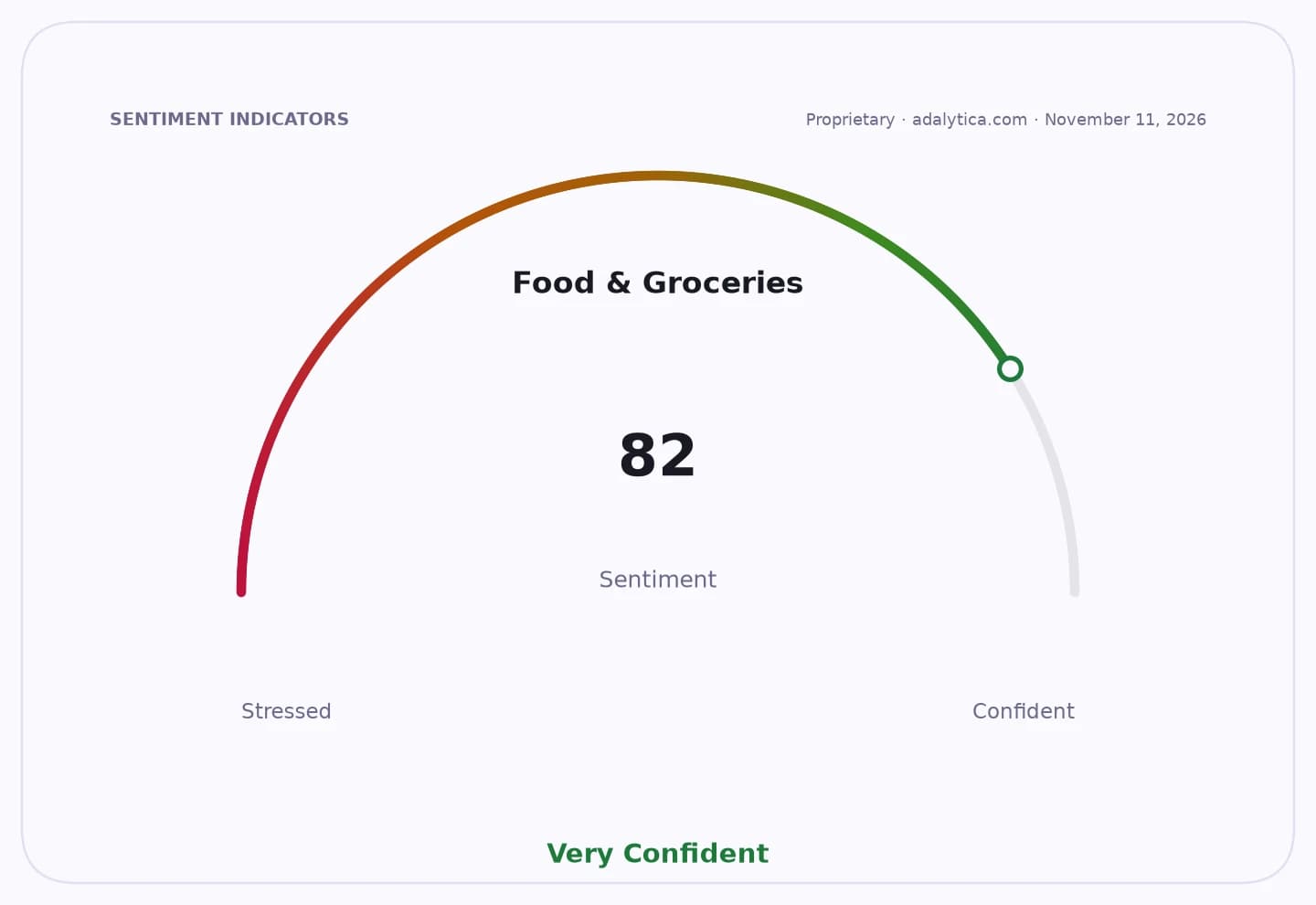
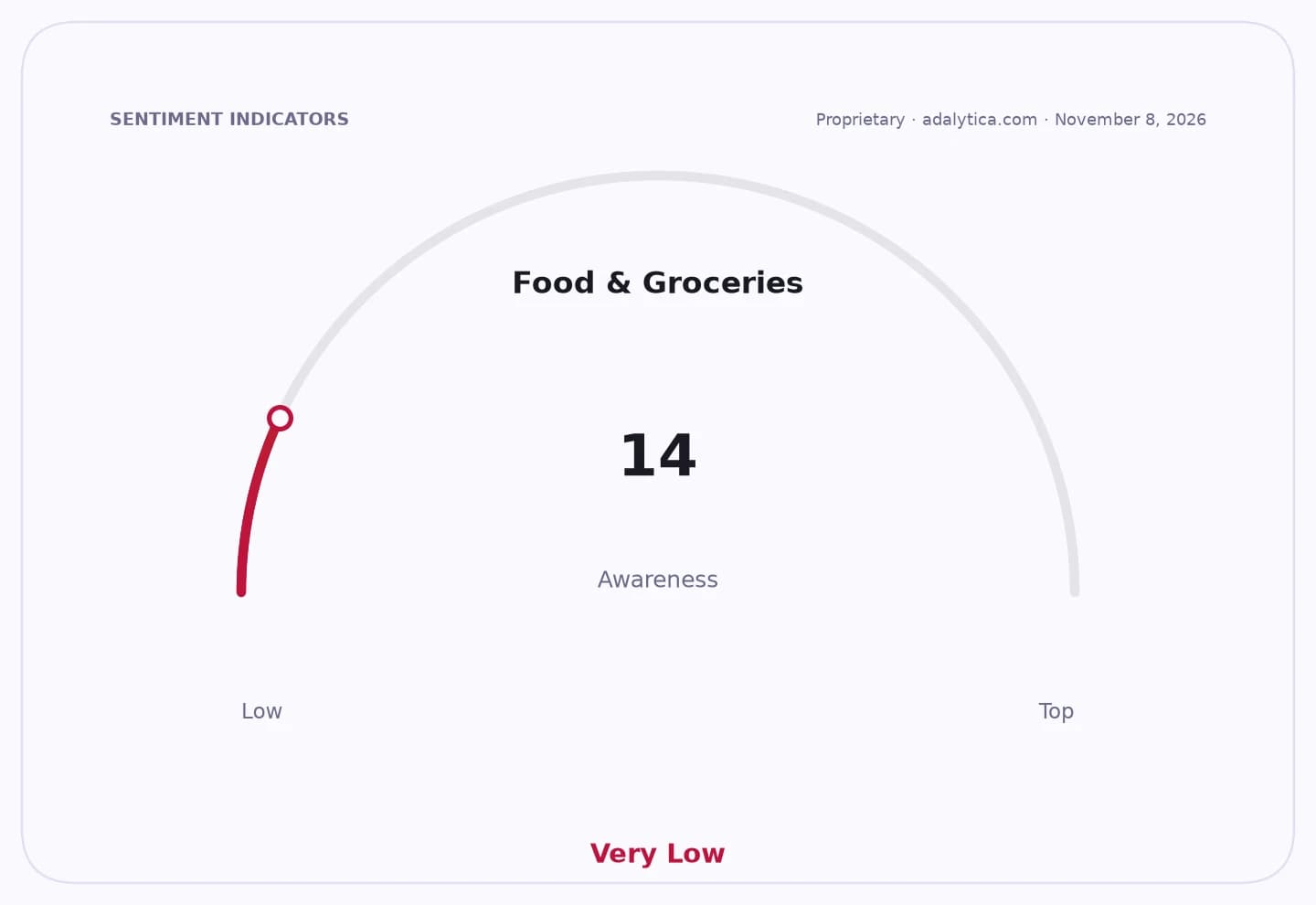
Sentiment Indicators
For JA Sado, the challenge is especially clear: the cooperative must move new crop rice from a region known for quality, not volume, while convincing wholesalers that Sado rice can command a premium despite a more crowded domestic market. The meeting with wholesalers and the launch of a promotional campaign suggest the sales side is trying to get ahead of a potential glut rather than wait for prices to soften.
That matters economically because rice is a staple crop with outsized importance for rural incomes and regional agricultural finance. If 2025 production becomes a burden, it can ripple through storage costs, distribution margins and producer returns. It also puts pressure on co-ops to balance the need for stable farm incomes against the risk of overpromoting product into a market where consumers remain price sensitive.
The broader backdrop is a Japanese rice sector wrestling with supply management and price stability. Recent efforts elsewhere to support rice distribution and stabilize the market point to the same underlying problem: even essential food staples can face oversupply if production, channel inventory and consumer demand move out of sync. In that environment, branded origin campaigns become more than marketing; they are a tool for defending the economics of the crop.
For investors and market participants, the story is a reminder that Japanese agriculture is increasingly a pricing and distribution business, not just a farming business. Wholesalers and retailers that can secure differentiated, premium rice may fare better than those relying on undifferentiated supply. Farmers and cooperatives, meanwhile, face the risk that a good harvest can still translate into weaker earnings if demand does not keep pace.
The key test now is whether JA Sado’s campaign can lift sell-through without forcing discounts. If it works, Sado can protect the value of its brand and keep 2025 output from weighing on local farm economics. If not, the burden of a larger crop could show up in weaker wholesale prices and thinner margins across the chain.
| Entity | Gains | Losses |
|---|---|---|
| JA Sado and farmers | ▲Higher brand value | ▼Oversupply pressure |
| Wholesalers and retailers | ▲Stable product flow | ▼Pricing risk |
| Consumers | ▲More rice availability | ▼Fewer premium discounts |
| Competing rice regions | ▲Benchmark for branding | ▼Share if Sado succeeds |