Tapioca flour prices have surged as much as 30% in West Java, and that matters because it is squeezing a huge ecosystem of small food sellers who depend on cheap cassava starch to protect already thin margins.
West Java tapioca prices jump on cassava shortage
Food & Groceries
The jump to roughly Rp16,000 to Rp18,000 per kilogram from about Rp10,000 to Rp14,000 has hit producers of cilok, cireng, crackers and packaged snacks across the province, according to West Java’s food security and livestock agency. For micro and small businesses, that kind of increase can quickly turn into lower sales, smaller portions or outright losses — and in a market where price-sensitive consumers already trade down aggressively, there is little room to pass costs through.
Sentiment Indicators
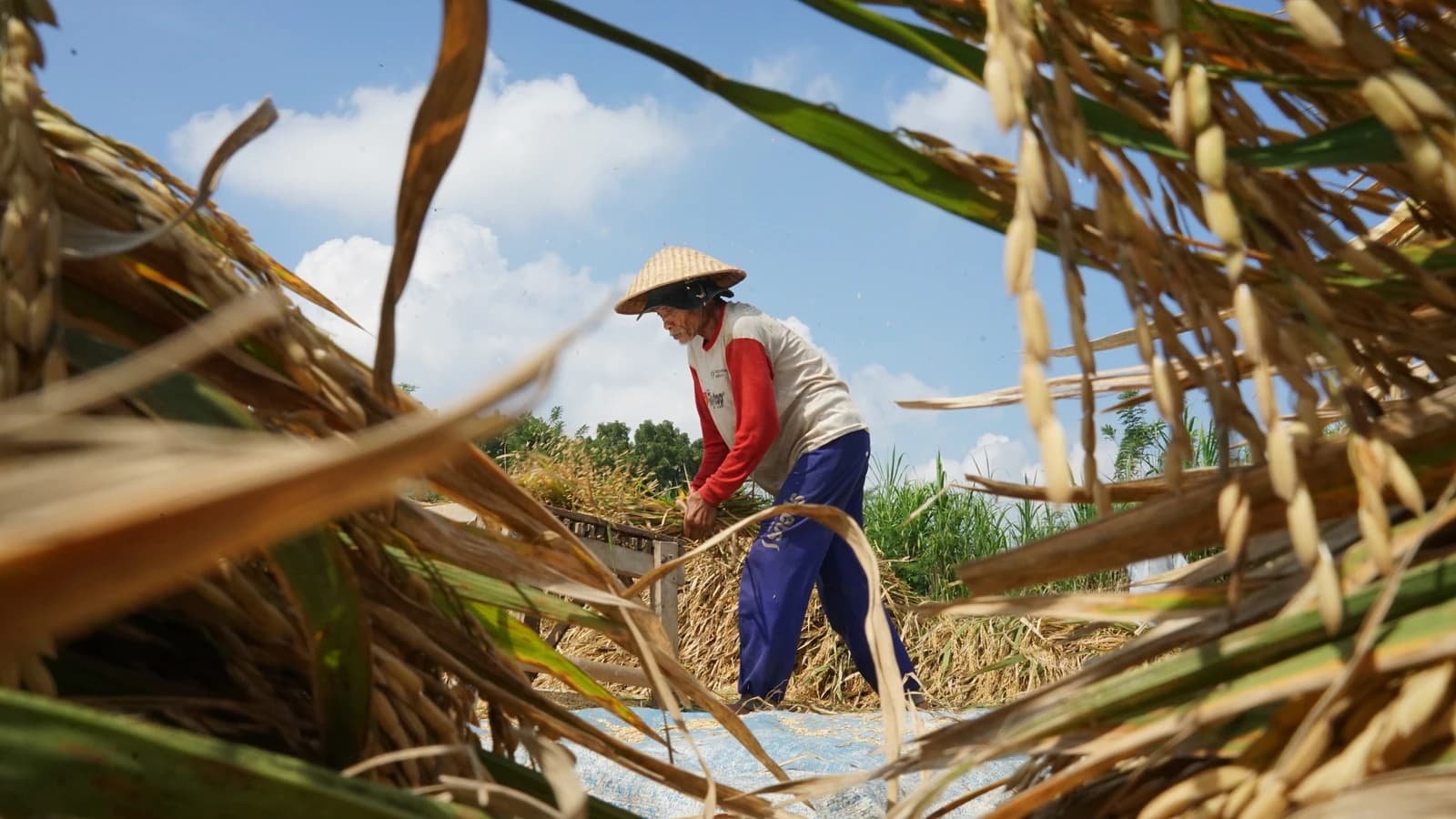
The main culprit is weaker cassava supply after weeks of extreme weather and uneven harvests across regions. When raw cassava becomes harder to source, tapioca mills face tighter throughput, wholesale prices rise and the pain moves downstream to food vendors almost immediately. That is the classic inflation chain investors watch closely: a weather-driven agricultural shock starts in the field but ends up at the stall, where working capital is smallest and resilience is weakest.
This is especially important because tapioca is not a niche ingredient in West Java. It is central to a broad street-food and snack economy that employs thousands of informal workers and small traders. If input costs remain elevated, many of these sellers will either absorb the hit, raise prices, or cut volumes. None of those outcomes is good for demand. Higher menu prices can slow turnover; lower volumes can dent earnings; and thinner margins can push weaker operators out of the market.
The pressure also underscores a broader risk for Indonesia’s food chain: when harvest timing is uneven and weather disrupts supply, commodity volatility can spread quickly through local consumer staples. That is why investors should pay attention even if this is a provincial story. Persistent food inflation can affect purchasing power, complicate the outlook for small food manufacturers and distributors, and keep pressure on household budgets in a market where low-income consumers spend heavily on daily meals.
For long-term investors, the takeaway is simple: businesses with pricing power, diversified sourcing and strong distribution tend to weather these shocks better than small single-ingredient operators. For now, West Java’s tapioca squeeze is a reminder that the best businesses are usually the ones that can survive a bad harvest without losing the customer.
| Entity | Gains | Losses |
|---|---|---|
| Tapioca producers with inventory | ▲Higher selling prices | ▼Potentially smaller volumes |
| Cassava farmers with crops to sell | ▲Better farm-gate pricing | ▼Those hit by poor yields |
| Aci food sellers and UMKM snack makers | ▲— | ▼Higher costs, thinner margins |
| Consumers | ▲— | ▼Higher snack and street-food prices |