Coffee prices in Vietnam’s Central Highlands climbed as much as 500 VND per kilogram on Nov. 8, easing some of the pressure on growers after a sharp early-month selloff but underscoring how fragile the market remains during peak harvest.
Vietnam coffee prices rise to 84,700 VND per kg
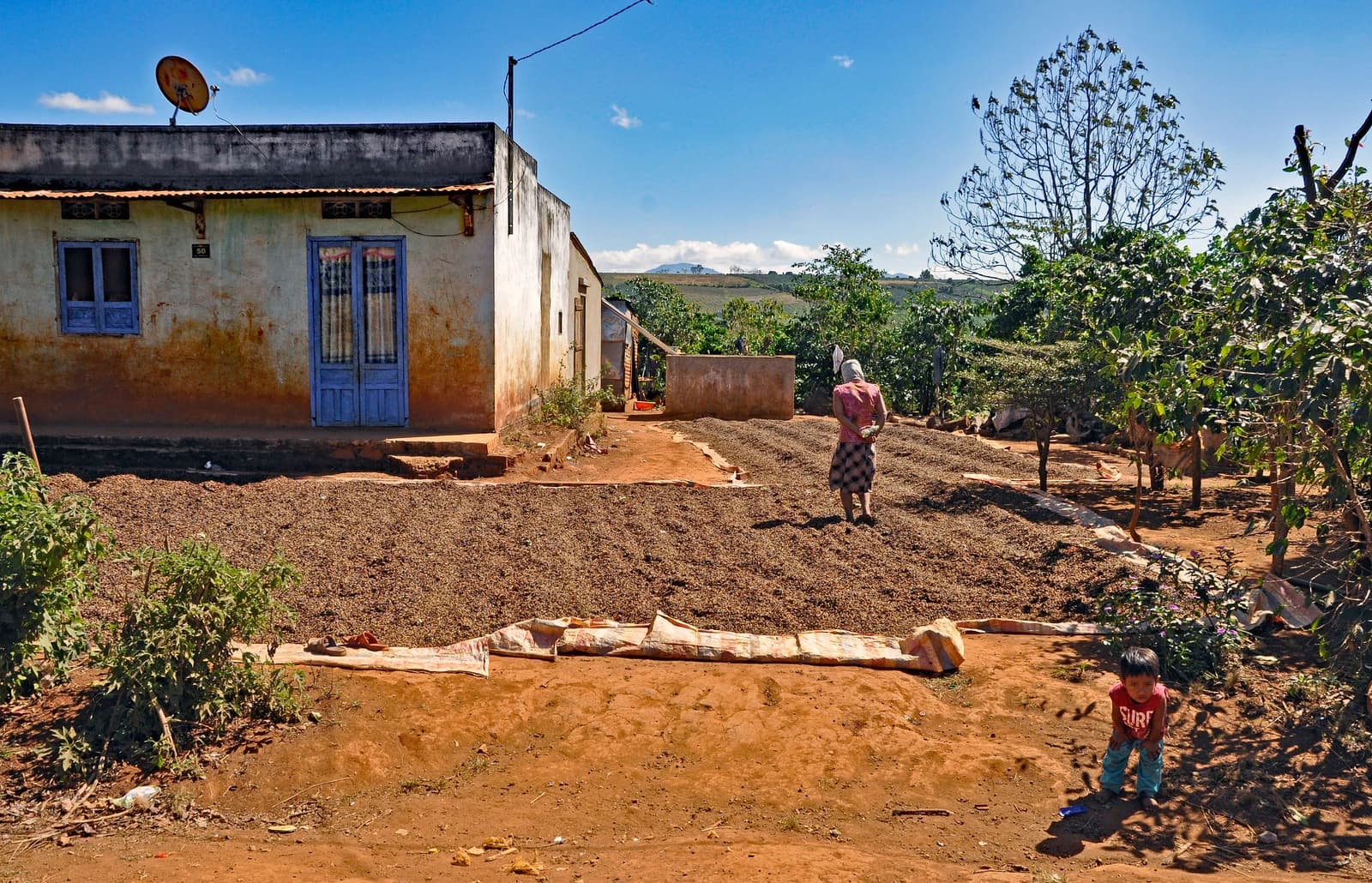
The move lifted the highest buying price to 84,700 VND/kg, a modest recovery that matters because Vietnam is the world’s biggest producer of robusta beans and a key price setter for global instant coffee and blends. When farmgate prices swing this quickly in the middle of harvest, growers, exporters and roasters can all be forced to adjust procurement, storage and hedging decisions within days.
The rebound follows four straight weeks of declines that had dragged Central Highlands prices to their lowest level in nearly five months. That earlier slide reflected heavier inventories and cost pressure, leaving many farmers vulnerable to selling into a weak market just as picking activity intensifies. The latest advance suggests supply is tightening again, either because farmers are holding back sales or because buyers are chasing available beans ahead of further disruptions.
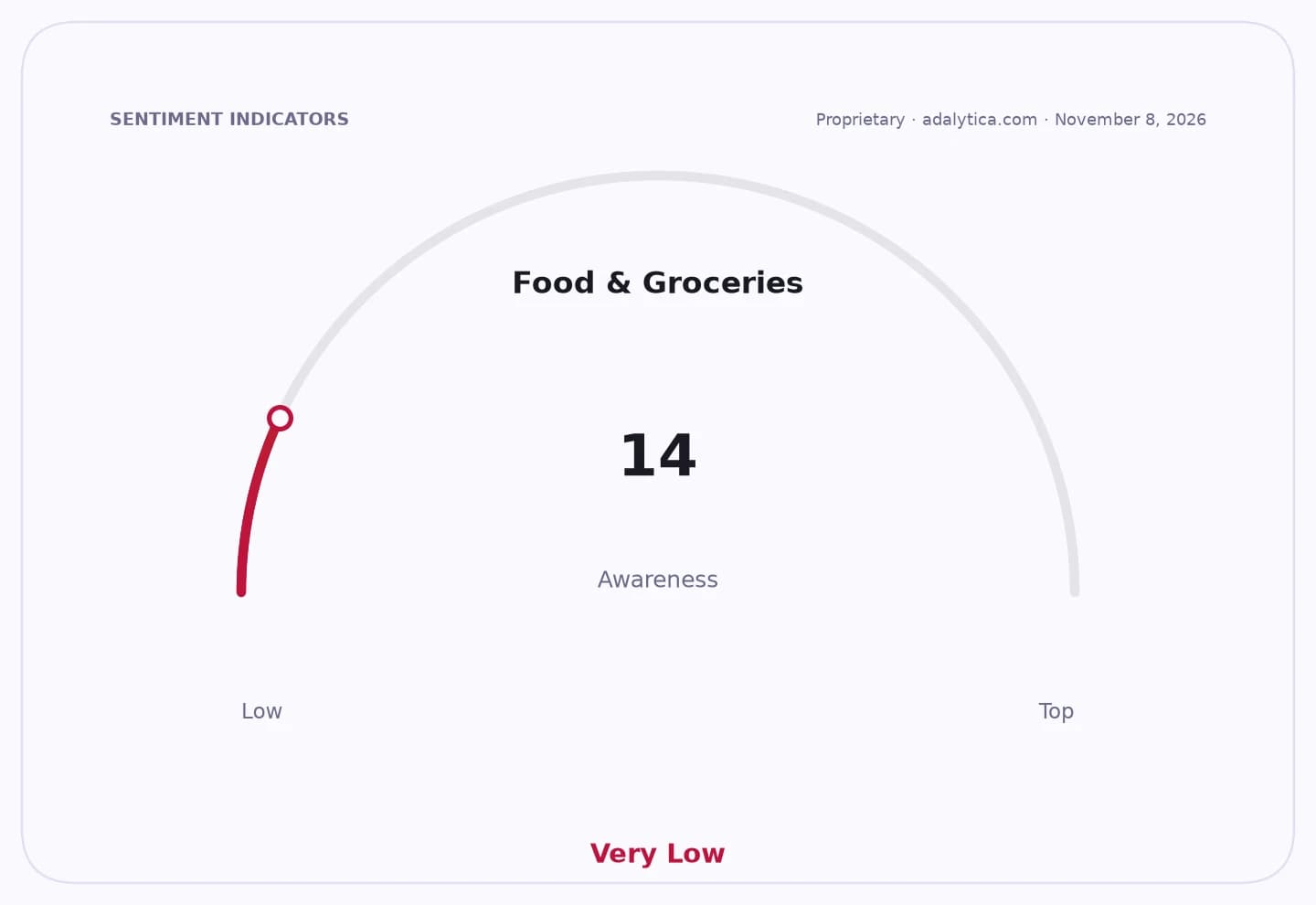
Global coffee markets are reinforcing that tone. Robusta prices extended gains for a third session, while arabica recovered after recent losses, indicating that the softness seen earlier in the month may have been overdone. Adalytica’s Corn Fear & Greed Index, which is not directly a coffee gauge but reflects a broader soft-commodity risk mood, sat in “Extreme Fear,” a backdrop that tends to amplify price volatility rather than calm it.
For investors, the key issue is not the one-day increase but the direction of margins across the coffee chain. Higher farmgate prices can support rural incomes and improve cash flow for growers who held inventory, yet they also squeeze exporters, traders and roasters if the rebound persists into contract season. For buyers such as global coffee brands and instant-coffee makers, the risk is that a firmer robusta market feeds through to procurement costs after a period of relief.
The bigger question is whether this is the start of a durable recovery or just a harvest-season bounce. If supply remains constrained and farmers continue to resist selling at lower levels, prices could stay elevated into the coming weeks. But if arrivals pick up and inventories rebuild, the market could quickly reverse again, leaving the sector trapped between volatile output and still-sensitive demand.
| Entity | Gains | Losses |
|---|---|---|
| Coffee growers | ▲Higher farmgate prices | ▼Lower cash-flow certainty |
| Exporters/traders | ▲Inventory bought cheaply earlier | ▼Margin pressure on new purchases |
| Roasters/brands | ▲Short-term supply access | ▼Higher input costs |
| Buyers waiting on harvest sales | ▲Potential bargain if prices retreat | ▼Risk of chasing a firmer market |