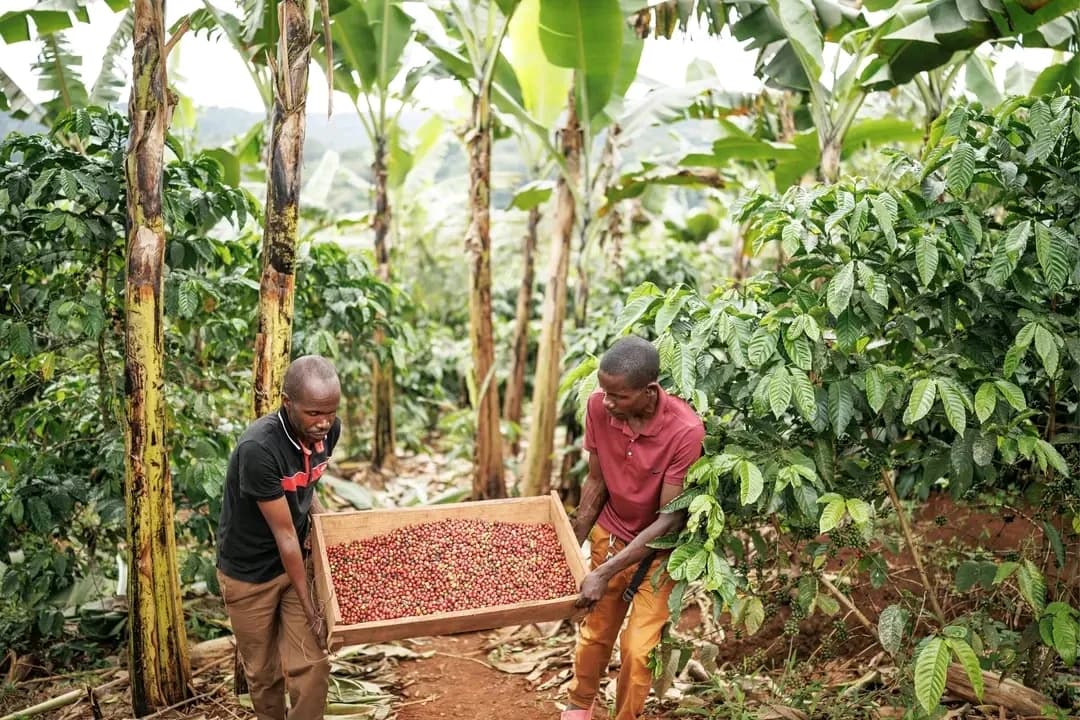
Vietnam’s coffee market is entering the new harvest with less pricing power, and that matters because the world’s biggest robusta exporter is now facing softer global benchmarks just as fresh beans start to hit the market. Domestic prices fell 200 VND per kilogram at some buying points to 84,000-84,500 VND, while both robusta in London and arabica in New York declined, amplifying the pressure on farmers, traders and roasters.
Vietnam coffee prices fall as harvest starts
The move is small in cash terms, but the direction is important. In Lâm Đồng, prices eased to 84,000 VND/kg, while Gia Lai slipped to 84,500 VND/kg. Đắk Lắk and Đắk Nông held at 84,500 VND/kg, showing a market that is no longer chasing higher bids even as the harvest gathers pace. That is classic seasonal supply pressure, and it usually weighs on farm-gate prices before it filters through the trading chain.
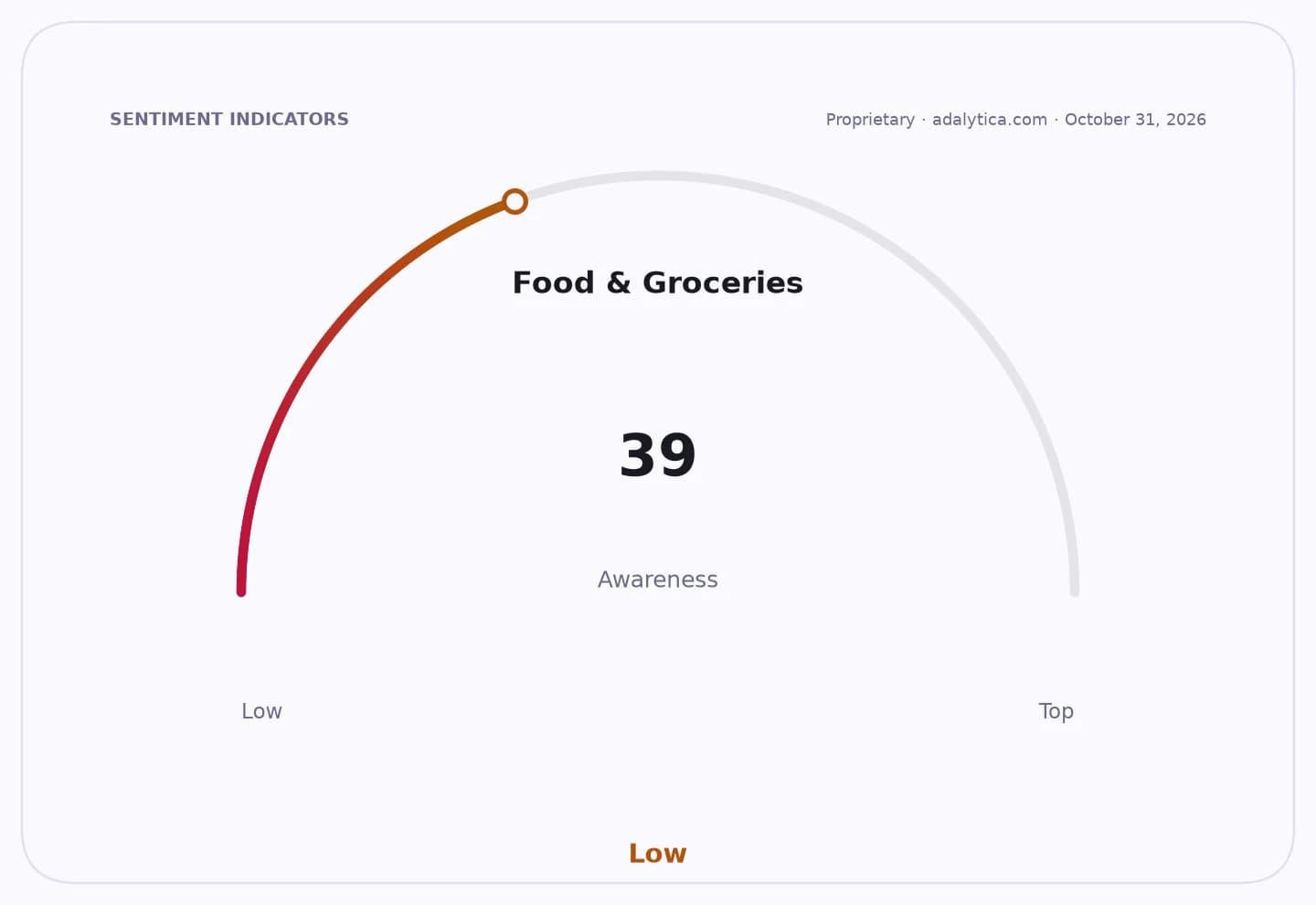
Sentiment Indicators
World exchanges are reinforcing that pattern. Robusta for November 2026 delivery in London fell 31 dollars, or 0.95%, to 3,225 dollars a ton, while arabica for December 2026 dropped 2.7% to 284.20 dollars a ton in New York. When both benchmarks soften at once, buyers have less urgency to chase Vietnamese cargoes, and local purchasing desks tend to become more cautious.
For investors, the setup is a reminder that coffee is a leveraged commodity story, not just an agricultural one. Weakening prices can squeeze growers’ margins, delay sales, and pressure working capital across the supply chain. It also creates opportunities for roasters, food producers and downstream buyers that can lock in lower input costs, while traders exposed to inventory and basis risk may face a tougher quarter.
The broader narrative is a familiar one: supply is coming back into the market faster than demand is improving. Vietnam’s new crop, combined with softer overseas futures, is enough to cap any near-term rebound unless weather, logistics or demand shocks reverse sentiment. For now, the market is saying that coffee’s next big move is more likely to be dictated by harvest flow and global exchange pressure than by local scarcity.
| Entity | Gains | Losses |
|---|---|---|
| Coffee roasters | ▲Lower input costs | ▼Less pricing urgency |
| Vietnamese farmers | ▲Ability to sell if cash needed | ▼Farm-gate margins |
| Traders/collectors | ▲Inventory buying opportunities | ▼Basis and timing risk |
| Global consumers | ▲Cheaper coffee prices | ▼— |