Weak demand is keeping the world wheat market under pressure even as Chicago futures have bounced on short covering, with traders watching whether softer consumption and bigger competing grain supplies can outweigh near-term technical strength.
Wheat prices rebound as weak demand weighs
Benchmark wheat prices on the Chicago Board of Trade have recently firmed, but the move looks more like a positioning reset than a clean demand-led rally. The front-month WEAT wheat fund fell to $21.74 on Nov. 10 from $26.96 in early September, while its 50-day moving average has slipped to $24.54, a sign the market remains well below its recent trend. RSI readings near 15.7 point to oversold conditions, but they also underscore how quickly sentiment has deteriorated.
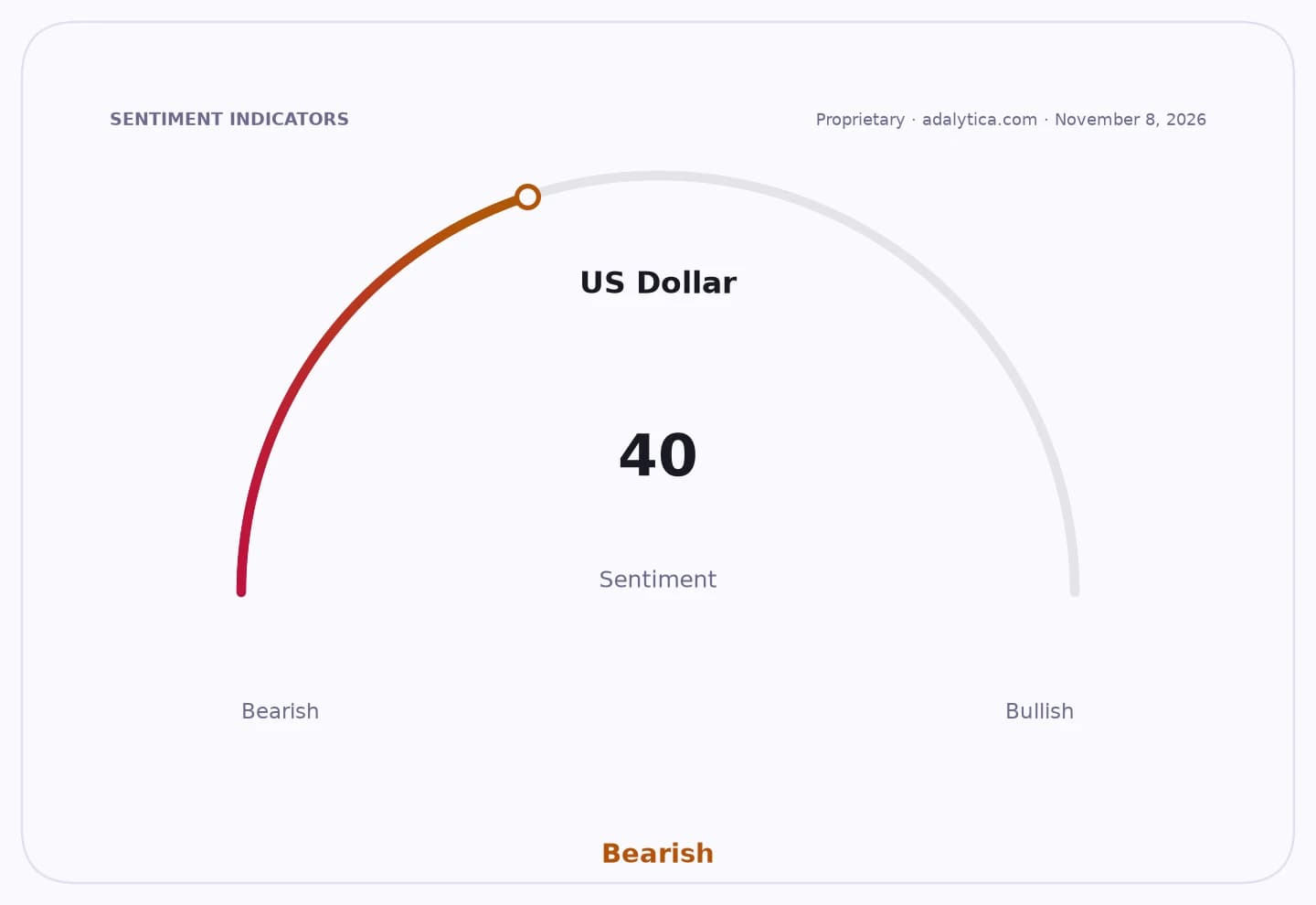
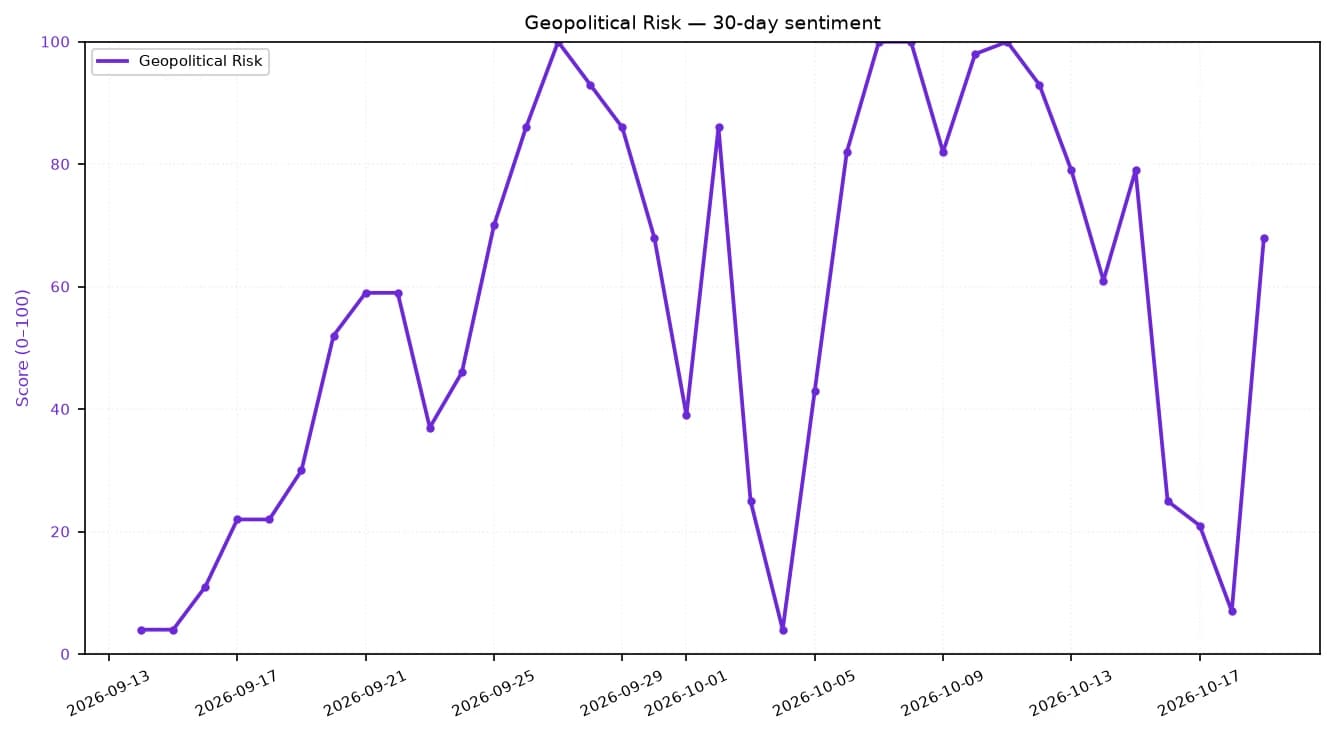
Sentiment Indicators
The broader backdrop is still bearish for wheat consumption. The FAO has flagged lower cereal output, especially for wheat and rice, and weak demand is already showing up in prices for Russian export wheat, which have fallen ahead of planned talks in Abu Dhabi. That matters because Russia remains one of the market’s key swing suppliers, and weaker export offers can keep global wheat values under pressure if import buyers stay patient.
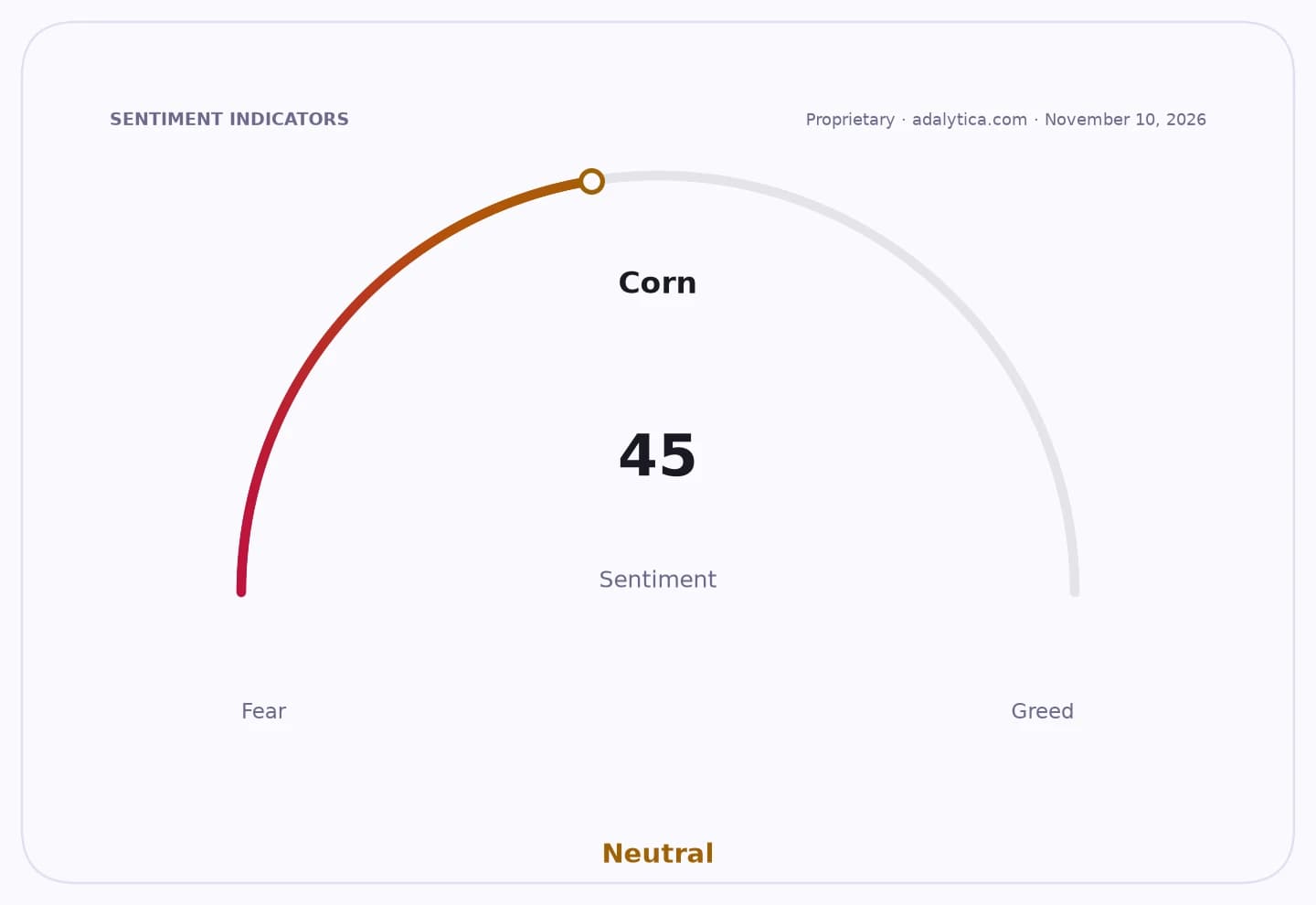
At the same time, stronger corn and soybean markets have helped spill some support into wheat, and Chicago’s latest rebound suggests funds are covering short positions rather than betting aggressively on a lasting turn. Corn, meanwhile, has held above its 200-day moving average even after recent losses, reinforcing the cross-market pressure that can cap wheat’s downside but not necessarily restore demand.
For investors, the key question is whether this is a temporary squeeze or the start of a more durable bottom. Food inflation remains sensitive to grain prices, and Adalytica’s Food and Grocery Spending Sentiment shows elevated consumer pressure even as awareness remains low, suggesting households are still under strain. Any further weakness in global demand would likely weigh on agribusiness margins, while a failed Russia-Ukraine or export-price negotiation could revive volatility across wheat-linked assets.
Traders now turn to upcoming USDA data and the outcome of Russia-Ukraine talks for the next catalyst, with demand trends likely to matter more than the recent short-covering bounce.
| Entity | Gains | Losses |
|---|---|---|
| Wheat buyers | ▲Lower input costs | ▼Less protection from price spikes |
| Wheat producers | ▲Temporary price relief from short covering | ▼Weak demand and softer export bids |
| Grain traders | ▲Volatility and spread opportunities | ▼Directional long exposure |
| Food consumers | ▲Potentially lower flour prices | ▼Little relief if demand stays weak and supply shifts |