Palembang’s October inflation rose to 2.69%, and the main culprit was red chili — a reminder that food prices, not abstract macro models, are still what most directly shape household budgets and local purchasing power.
Palembang Inflation Rises to 2.69% on Red Chili
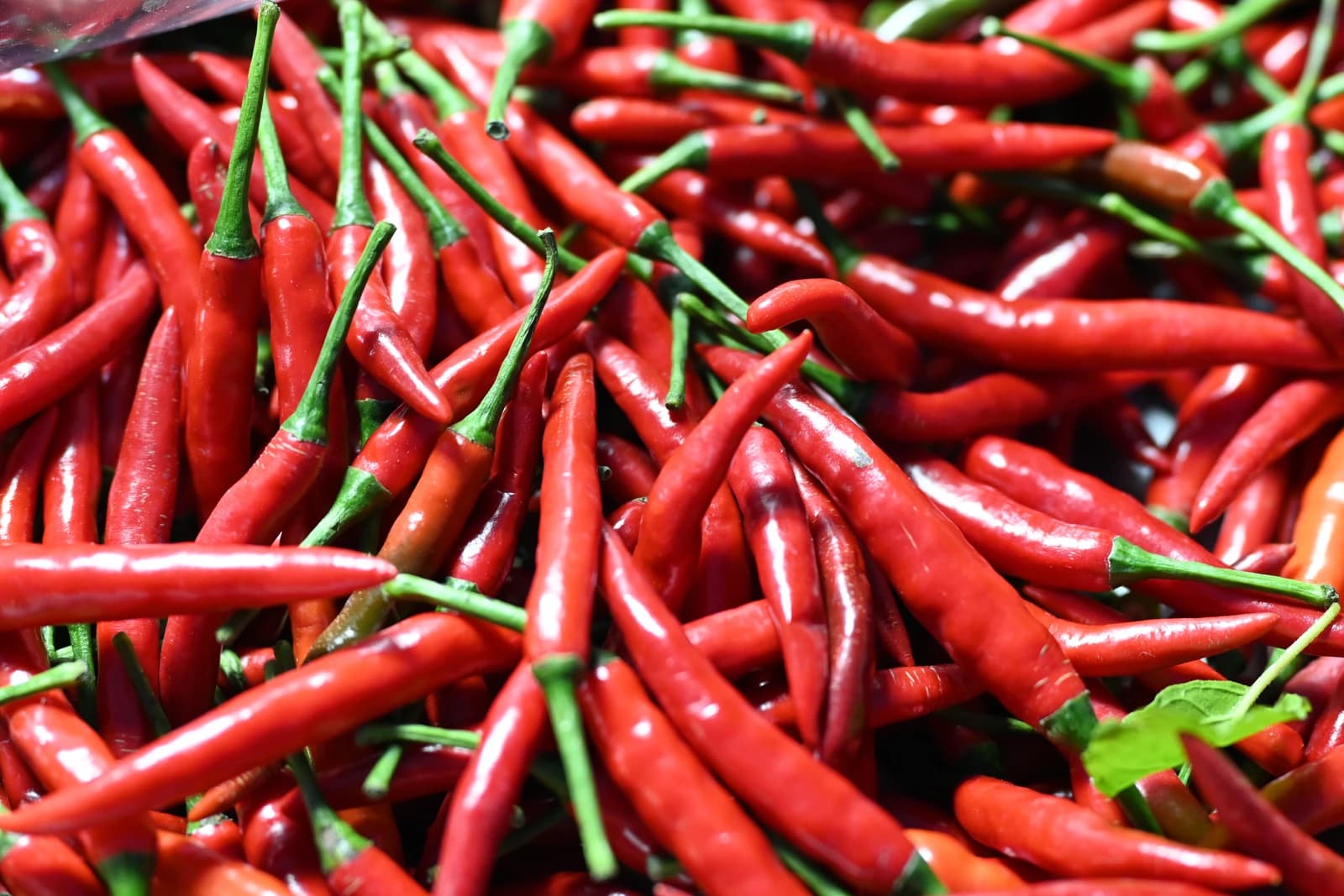
That matters because volatile staples can quickly turn a comfortable inflation print into a political and economic headache. The city’s inflation rate climbed from 2.40% in September, according to the Palembang statistics office, with red chili alone contributing 0.289 percentage point to inflation. Bird’s-eye numbers may look contained — the reading still sits inside Indonesia’s 2.5% plus or minus 1% target band — but for families buying groceries week by week, a jump in chili prices is immediate and painful.
Sentiment Indicators
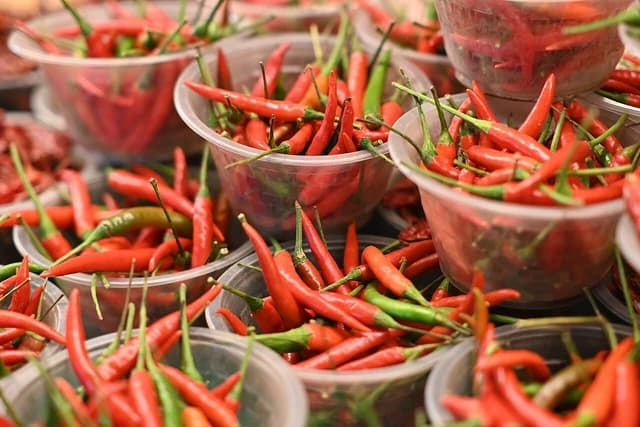
Palembang officials are responding the way local governments in Indonesia often do when food inflation flares: by preparing a “pasar murah,” or cheap market, to help cushion consumers. That is a sensible short-term stabilizer, especially when the price shock comes from a narrow set of commodities rather than broad-based demand pressure. Cabai rawit also added to inflation, though with a far smaller 0.029 percentage point contribution.
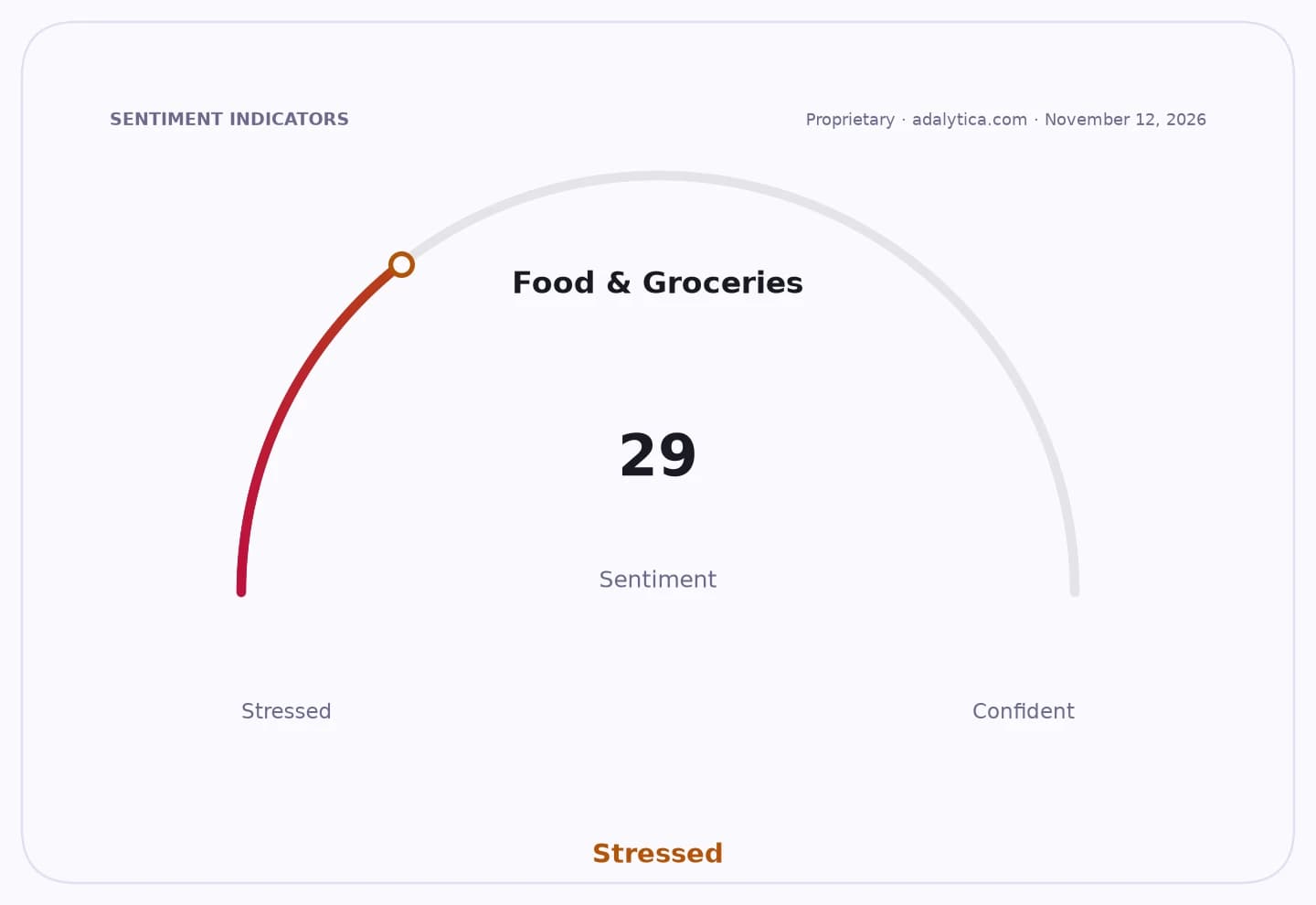
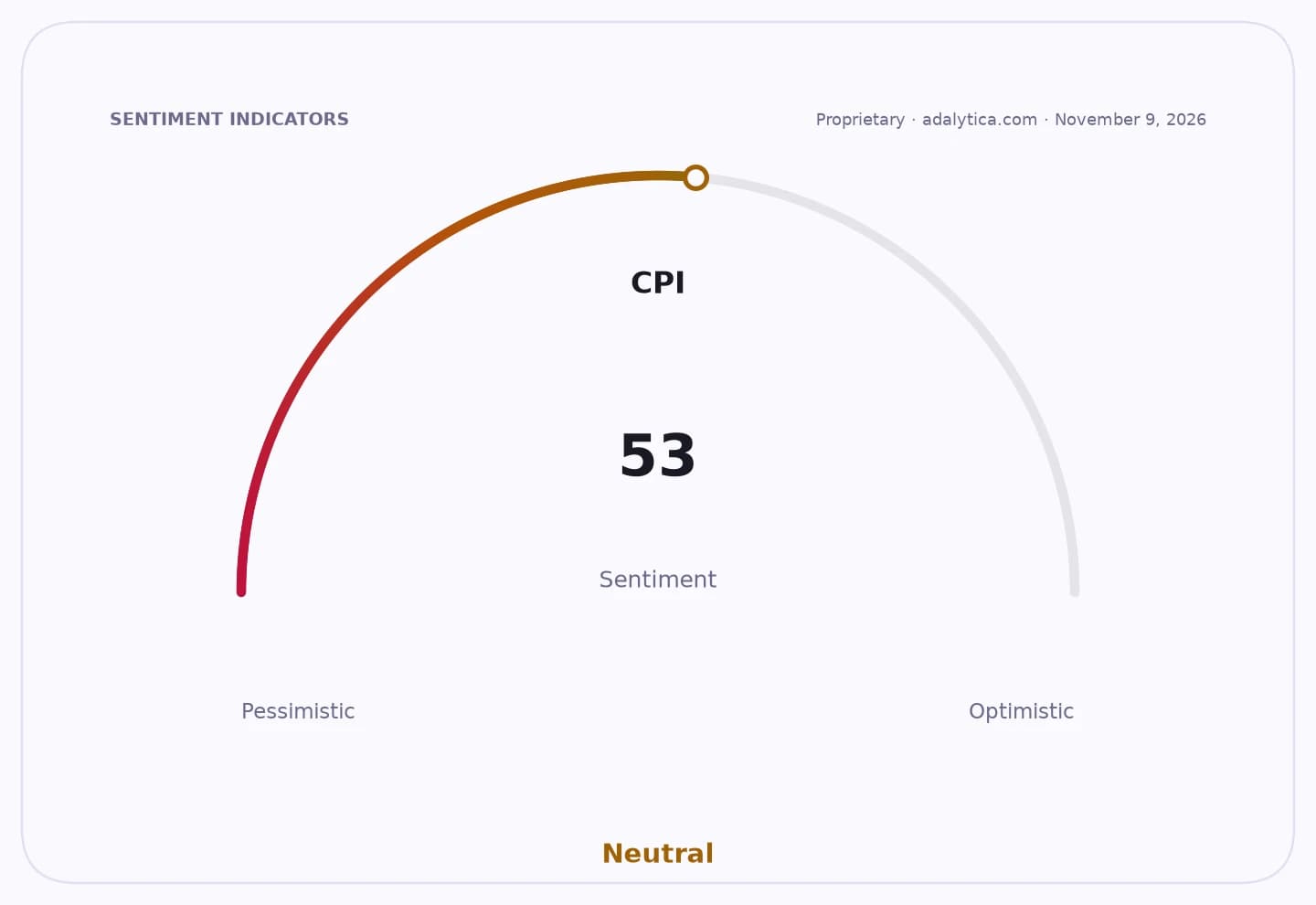
For investors, the real lesson is that Indonesia’s inflation story remains highly sensitive to agriculture and distribution, not just central bank policy. When a few food items dominate the monthly price pulse, consumer spending can weaken quickly, and discretionary retailers, packaged food producers and lower-income households feel it first. Adalytica’s Food and Grocery Spending sentiment gauge is flashing “Fear,” while its Consumer Spending sentiment is in “Extreme Fear,” underscoring how fast food-price stress can spill into broader demand caution.
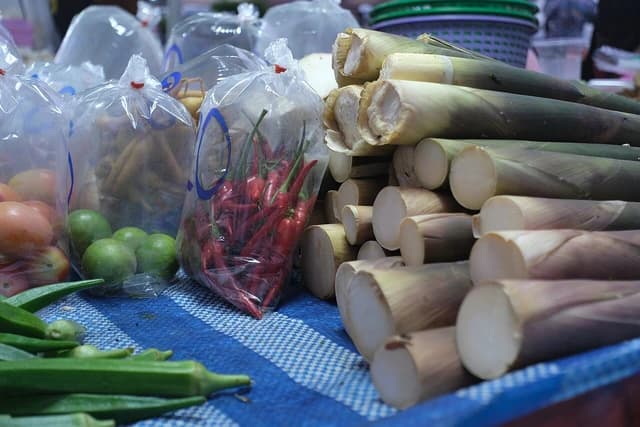
This is also a useful reminder for long-term investors that inflation is not always a nationwide, evenly spread trend. It often starts as a local supply problem — weather, transport bottlenecks, harvest timing or regional shortages — and only later becomes a broader macro issue if it persists. The current spike in chili prices fits that pattern, especially with food-market volatility already evident in recent national price data.
For now, the good news is that Palembang’s inflation remains moderate and below last year’s level. But if chili prices stay elevated, the pressure on household spending could linger. Investors watching Indonesia’s consumer economy should keep an eye on food supply, not just headline inflation. For long-term portfolios, that argues for patience, diversification and a focus on companies with pricing power and resilient demand.
| Entity | Gains | Losses |
|---|---|---|
| Palembang consumers | ▲Near-term relief from cheap market plans | ▼Higher grocery bills |
| Palembang city government | ▲Political goodwill if intervention works | ▼More pressure to contain prices |
| Farmers/traders with stock | ▲Better selling prices | ▼Consumers facing sticker shock |
| Retailers and consumer brands | ▲Support if inflation stays contained | ▼Demand risk if food costs keep climbing |