Coffee prices in Vietnam’s key growing regions edged back up on Nov. 6, while live pig prices kept climbing, signaling firmer farm-gate conditions for two of the country’s most watched agricultural commodities. The moves matter because they feed directly into rural incomes, food costs and trading margins, even as broader crop and livestock markets remain uneven.
Vietnam coffee, pig prices rise on Nov. 6
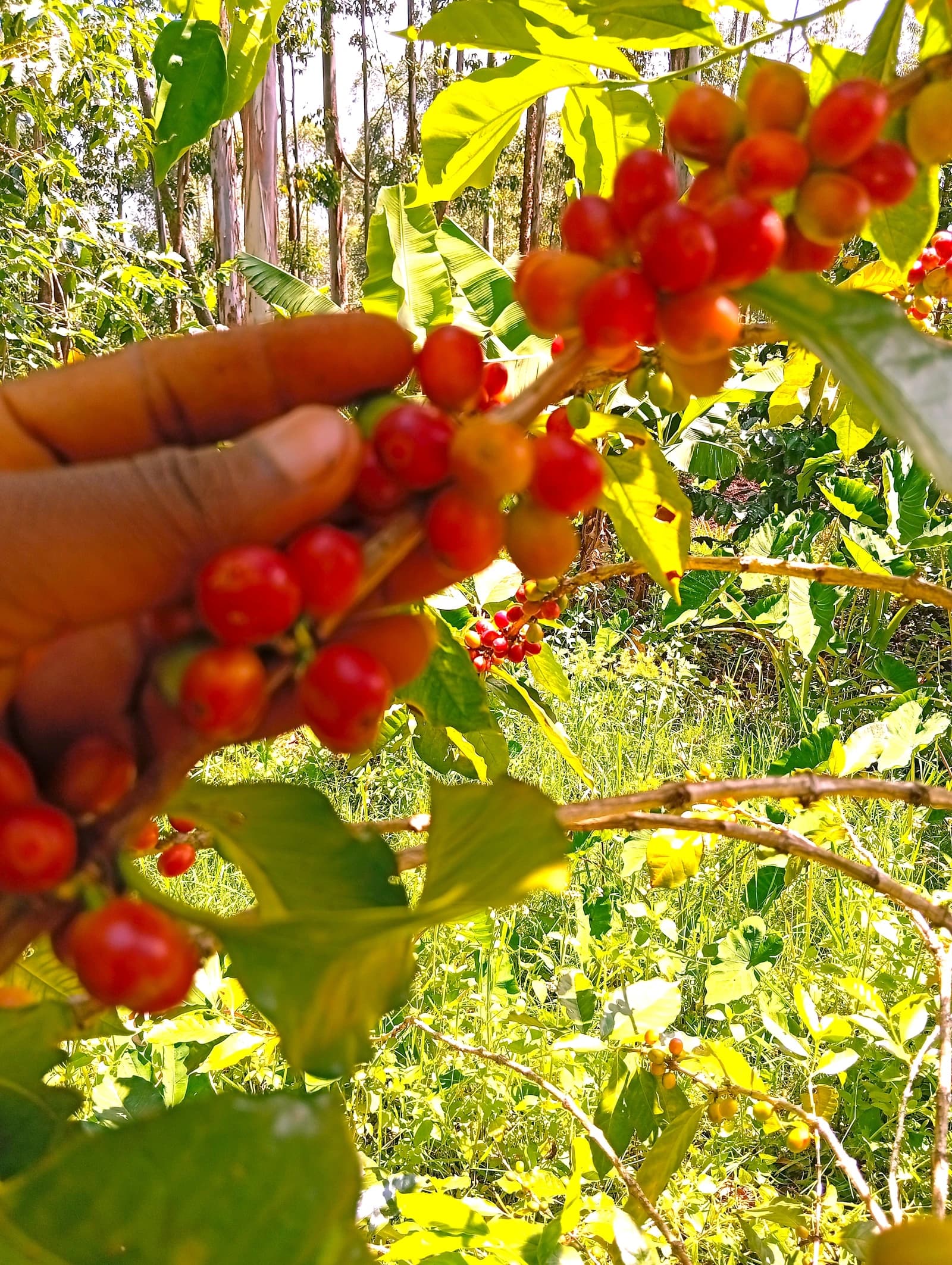
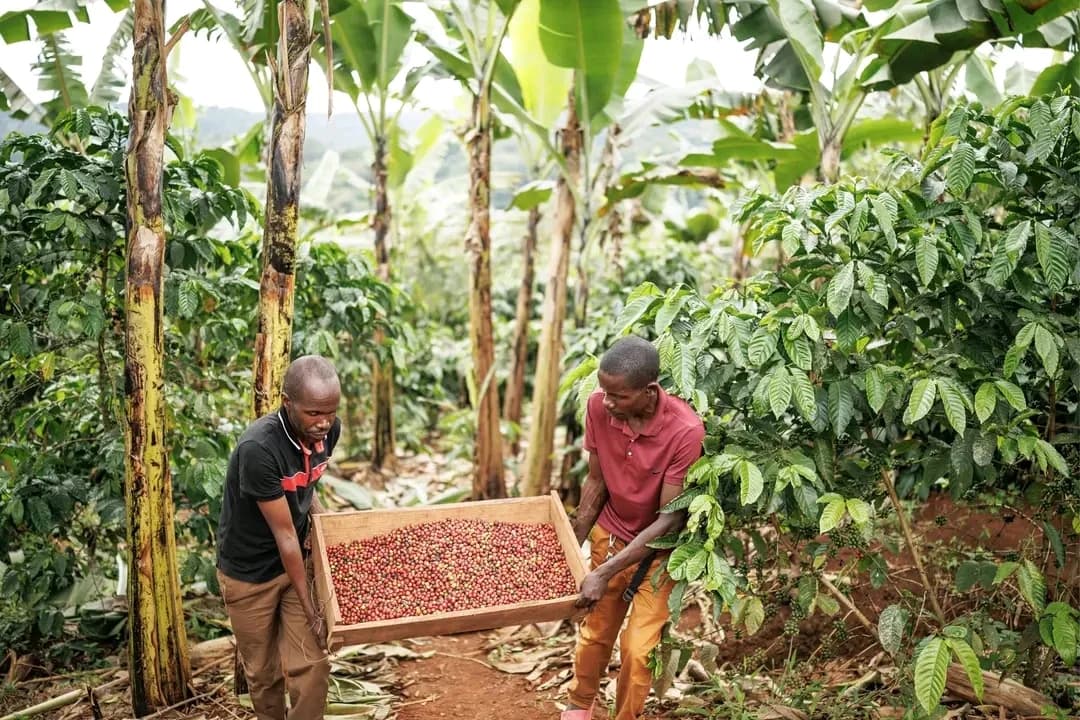
In the coffee belt of the Central Highlands, domestic buying prices rose 200 to 300 dong per kilogram after earlier declines. Dak Nong led at 84,300 dong a kilogram, Dak Lak was quoted at 84,200 dong, Lam Dong at 83,500 dong and Gia Lai at 84,000 dong. That is still well below the 87,000 to 87,500 dong range seen at the end of October, underscoring that the rebound remains modest rather than a full recovery.
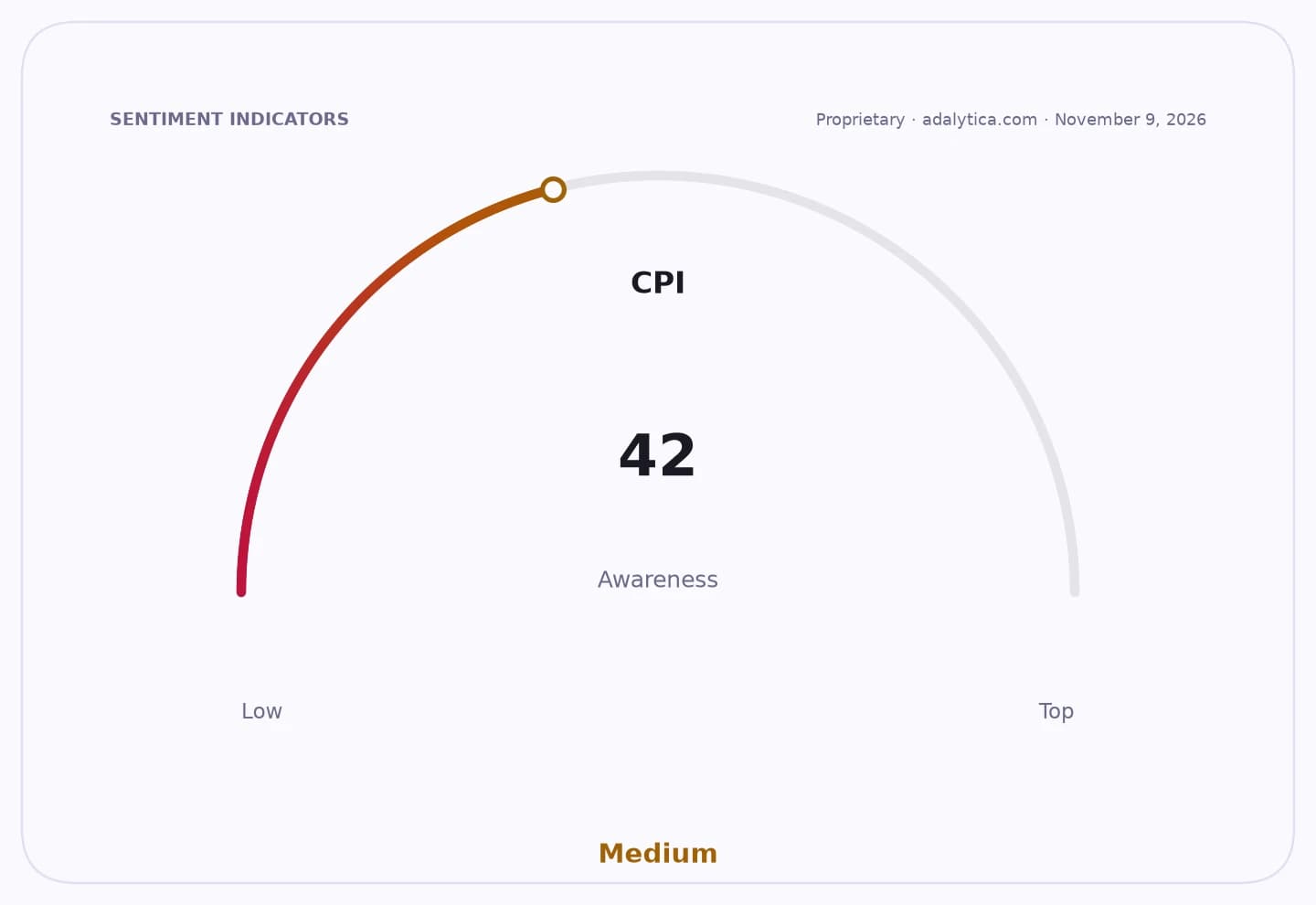
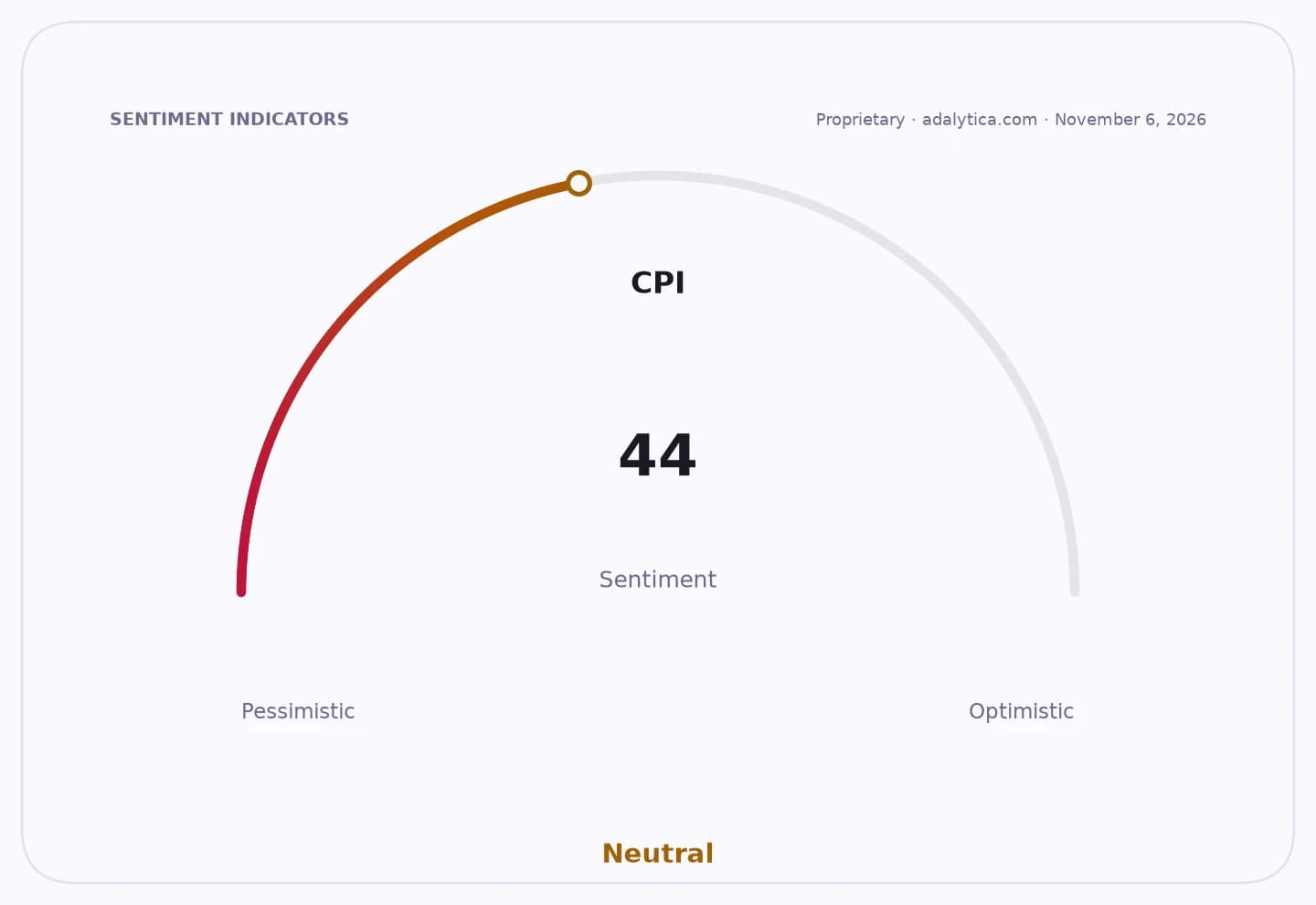
Sentiment Indicators
The move tracked a mixed global coffee market. Robusta futures on London gained 18 dollars a ton, or 0.56%, with the November 2026 contract at 3,243 dollars a ton and January 2027 at 3,228 dollars. Arabica on New York, by contrast, extended losses, with December 2026 down 4.2 cents, or 1.48%, to 279.75 cents a pound. For exporters, roasters and local merchants, that split keeps pricing volatile and complicates hedging decisions.
Live pig prices also strengthened, extending a recovery after a long stretch of pressure. Northern Vietnam saw farm-gate prices rise 1,000 to 2,000 dong a kilogram to roughly 45,000 to 48,000 dong, with 48,000 dong now appearing in places including Lang Son, Bac Ninh, Hanoi, Hai Phong and Hung Yen. In the north-central and Central Highlands regions, Thanh Hoa and Nghe An moved up to 45,000 dong, while Lam Dong held the regional high at 46,000 dong.
The south was steadier, with prices mostly unchanged at 44,000 to 46,000 dong a kilogram. At the wholesale level, pork around 68,000 dong a kilogram and retail cuts at supermarkets and traditional markets remained elevated, keeping consumer prices sticky even as live-animal prices improve for farmers.
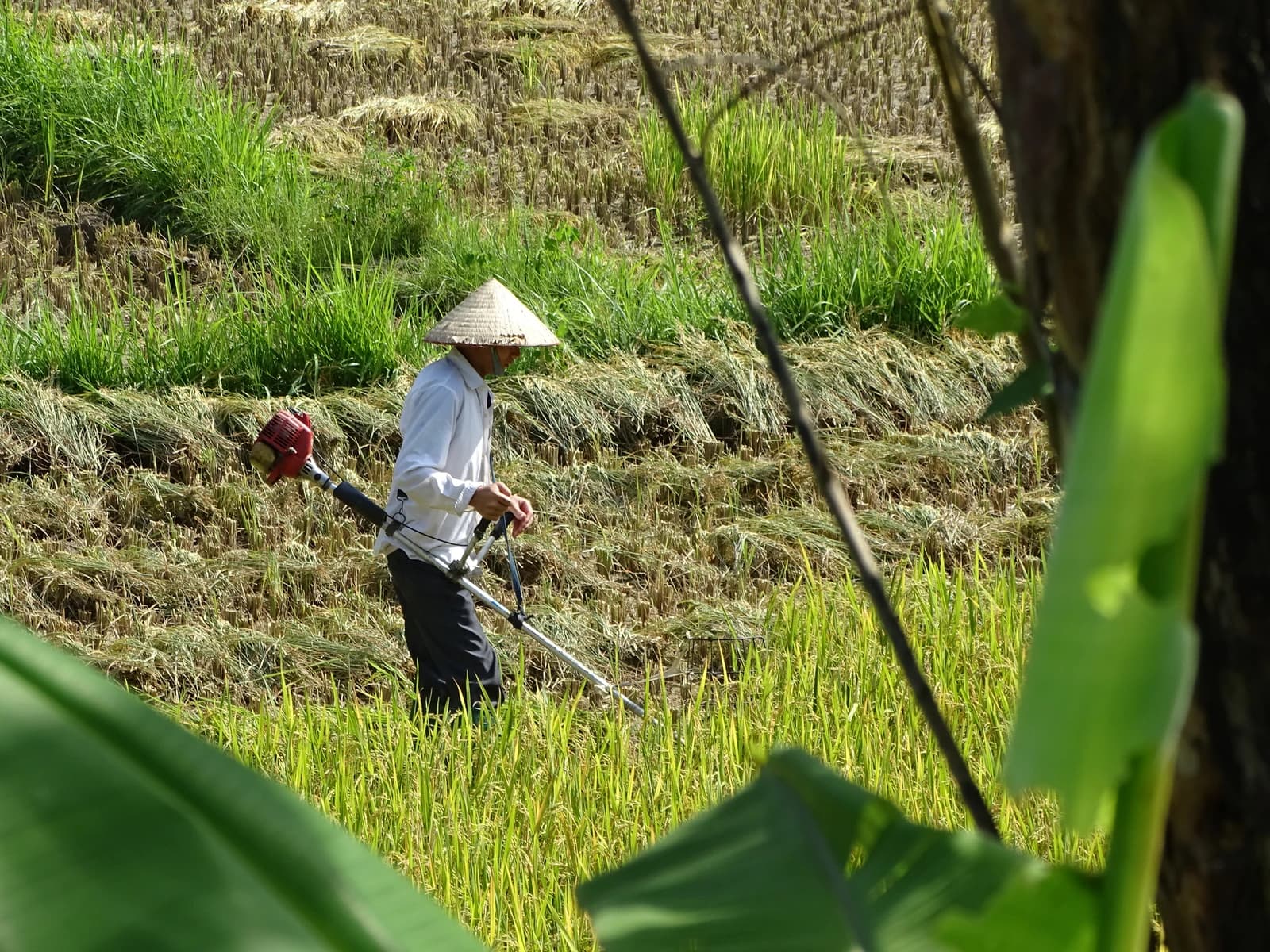
Rice prices were mixed, but the bigger market signal remained coffee and pork. Domestic rice export prices were flat, and pepper was unchanged, while rubber prices softened on major Asian exchanges. That leaves coffee and hogs as the day’s clearest drivers of agricultural sentiment, with both markets offering some relief to producers after recent weakness.
The next test is whether coffee can hold above the mid-84,000 dong level and whether hog prices can extend their rise without inviting heavier supply. Export prices, weather in Brazil and Vietnam, and seasonal slaughter demand will set the tone into mid-November.
| Entity | Gains | Losses |
|---|---|---|
| Coffee farmers in Vietnam | ▲Higher farm-gate prices | ▼Recent price decline |
| Live pig producers | ▲Better selling prices | ▼Margin pressure from weak prior prices |
| Coffee buyers/roasters | ▲— | ▼Higher input costs |
| Pork consumers | ▲— | ▼Stickier retail meat prices |