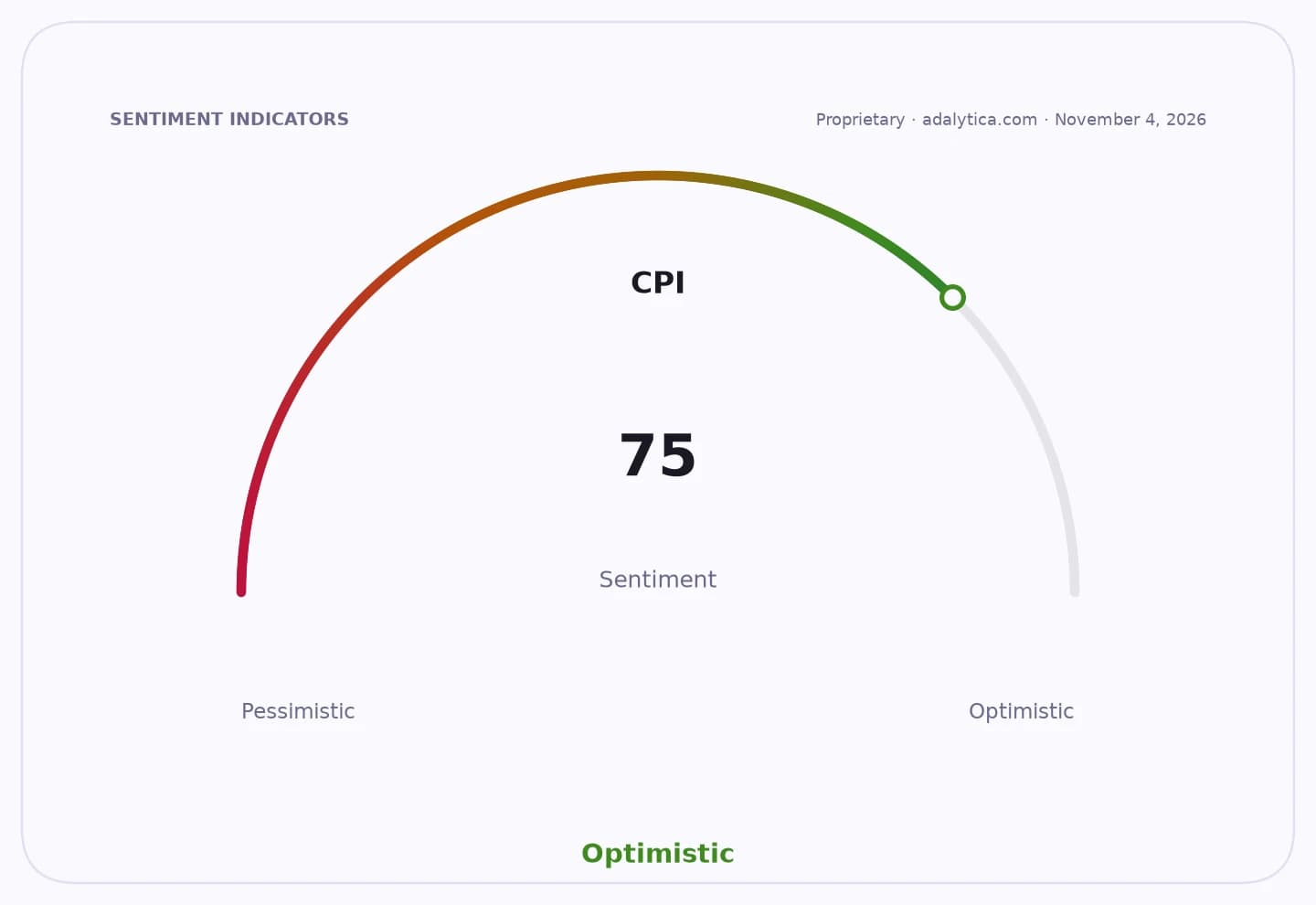
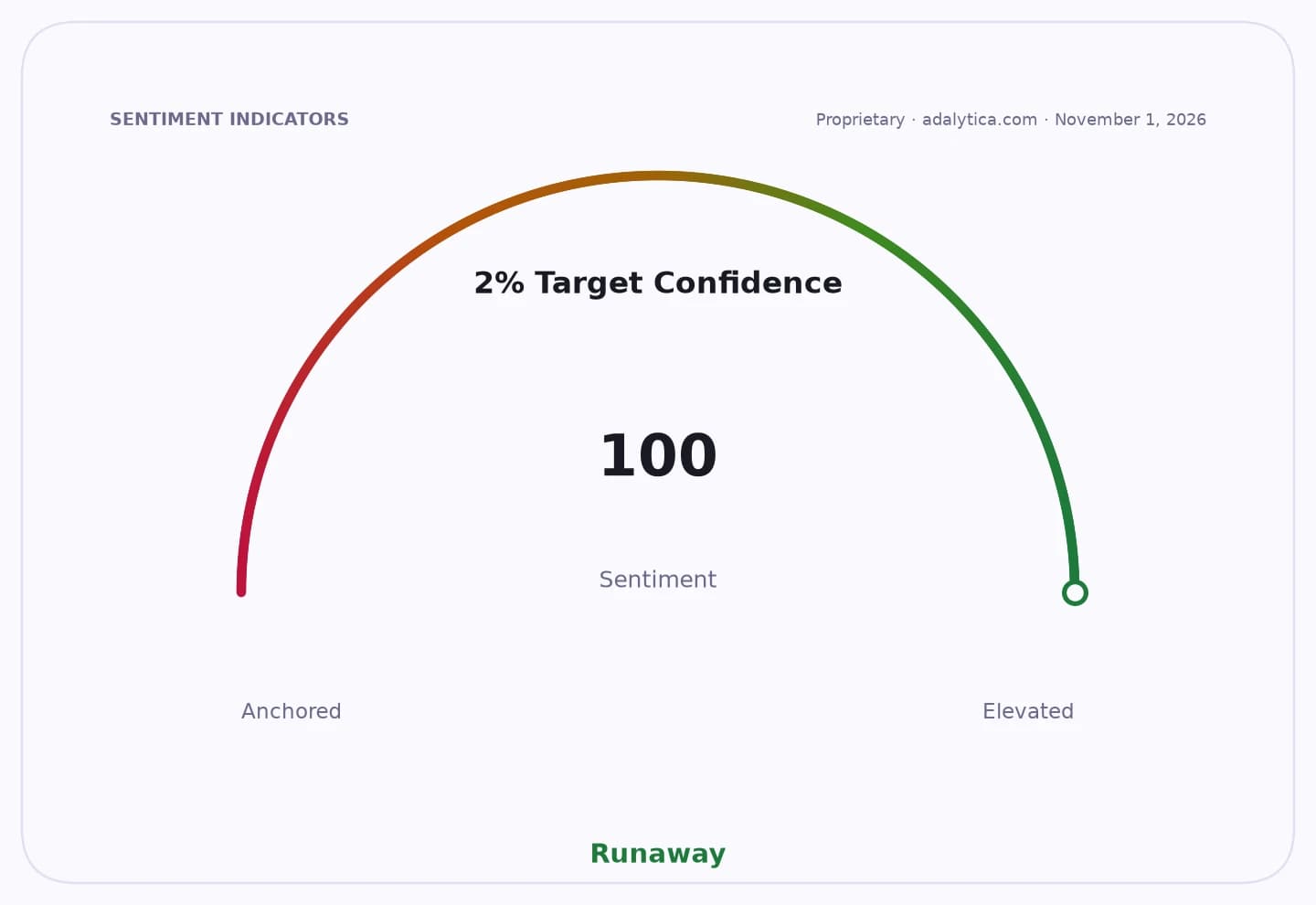
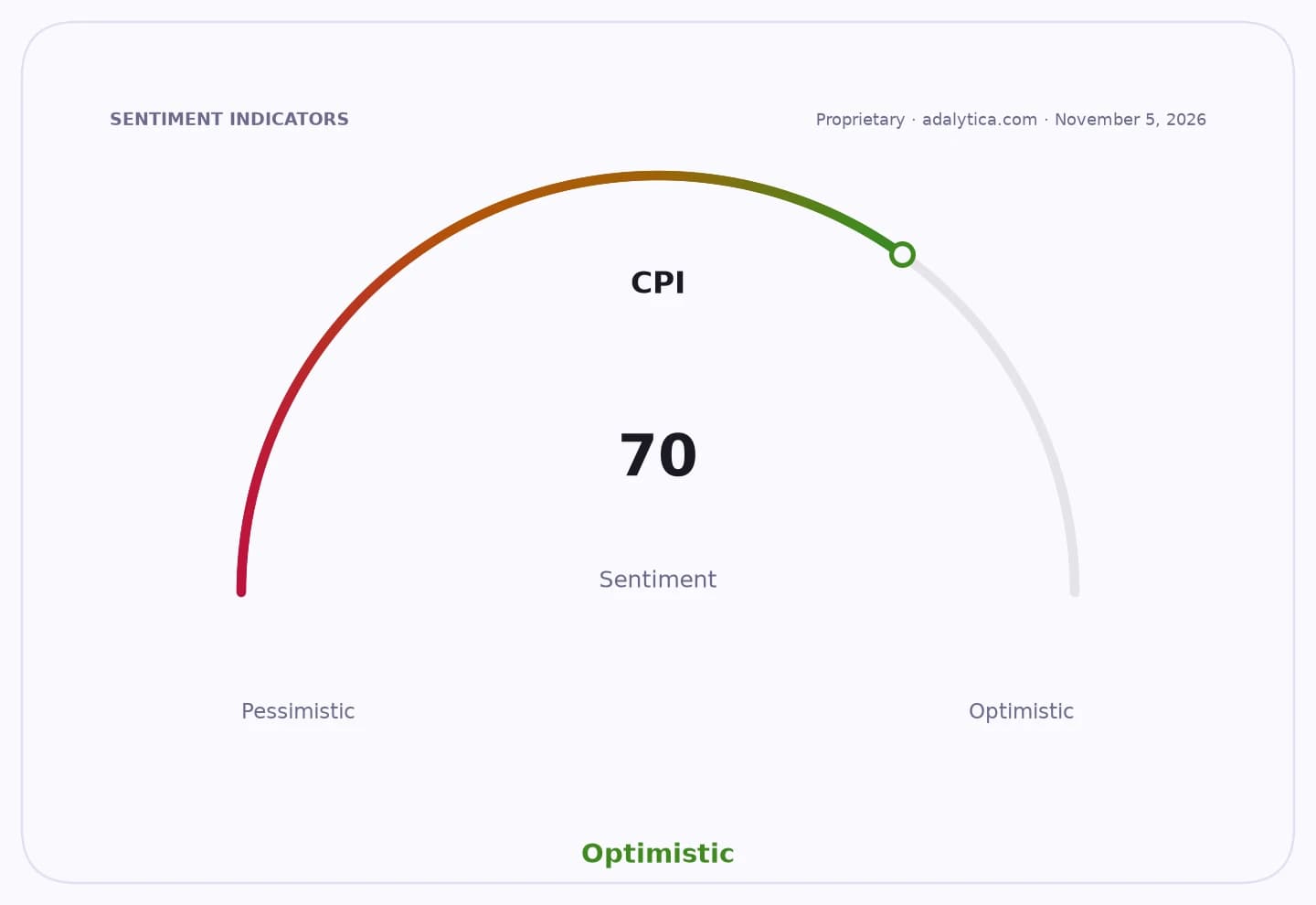
Vietnam is stepping up price controls into year-end after consumer inflation in the first 10 months of 2026 ran ahead of target, a policy push that could ease pressure on households, cool transport and food costs, and give the government more room to protect growth without letting living costs run away.
Vietnam Cuts Gasoline Tax and Electricity Price
CPI
The Ministry of Finance said average consumer prices rose 4.57% in the January-October period, above the full-year goal of about 4.5%, underscoring how little room policymakers have left as the country heads into its busiest spending season and the Lunar New Year. That makes the latest package more than a routine administrative move: it is a direct attempt to contain a broad-based cost squeeze that affects everything from fuel and power bills to freight rates and groceries.
Sentiment Indicators
The headline measures are aimed at the two price components that matter most for the wider economy. The government plans to cut the special consumption tax on gasoline to zero from Nov. 1 through March 31, 2027, and reduce the average retail electricity price by 2% from Nov. 1. Officials estimate the fuel tax move alone will reduce state revenue by almost 7 trillion dong, showing the government is willing to sacrifice fiscal room to buy price stability.
That tradeoff matters because fuel and electricity are not just household expenses. Electricity carries a 4.81% weight in the housing, electricity, water, fuel and construction materials basket, while gasoline has a 4.53% weight in transport. Lower prices should ripple through logistics, distribution and manufacturing, helping businesses that have been squeezed by higher input costs and giving consumers some relief just as spending typically picks up at year-end.
The Ministry of Finance said the combined measures could lower November CPI by about 0.5 percentage point from October and trim the full-year average by 0.08 percentage point. That may sound modest, but in an economy trying to hold inflation near 4.5% while still supporting strong growth, every fraction of a point matters. Core inflation rose about 4.24% in October, suggesting underlying price pressure is still sticky even as overall inflation has improved from earlier peaks.
For investors, the story is less about one month’s CPI print than about how Vietnam is trying to preserve macro stability without choking demand. Lower fuel and power costs can support consumer spending, improve margins for transport-heavy businesses and reduce the risk that inflation forces a tighter policy stance later. At the same time, the revenue hit and the possibility of more managed pricing in regulated sectors remind investors that policy support can come with fiscal and margin consequences.
The bigger message is that Vietnam is prioritizing price stability as a foundation for year-end consumption and 2027 planning. If supply stays smooth and the government avoids fresh shocks from administered prices, inflation should remain contained enough to support growth. For long-term investors, that makes Vietnam a market worth watching closely: not because inflation has disappeared, but because policymakers are showing they are prepared to act early to keep it from becoming a bigger problem.
| Entity | Gains | Losses |
|---|---|---|
| Vietnamese households | ▲Lower living costs | ▼None from near-term price relief |
| Transport and consumer businesses | ▲Cheaper fuel and power inputs | ▼Fiscal support uncertainty |
| Government budget | ▲Price stability and social calm | ▼Nearly 7 trillion dong in revenue |
| Fuel sellers and utilities | ▲Potential demand stability | ▼Lower regulated pricing power |