The National Assembly’s push for 10% or higher GDP growth in 2027 is setting up a familiar but crucial test: can Vietnam accelerate fast enough without letting inflation break out again?
Vietnam 2027 Growth Target and Inflation Outlook

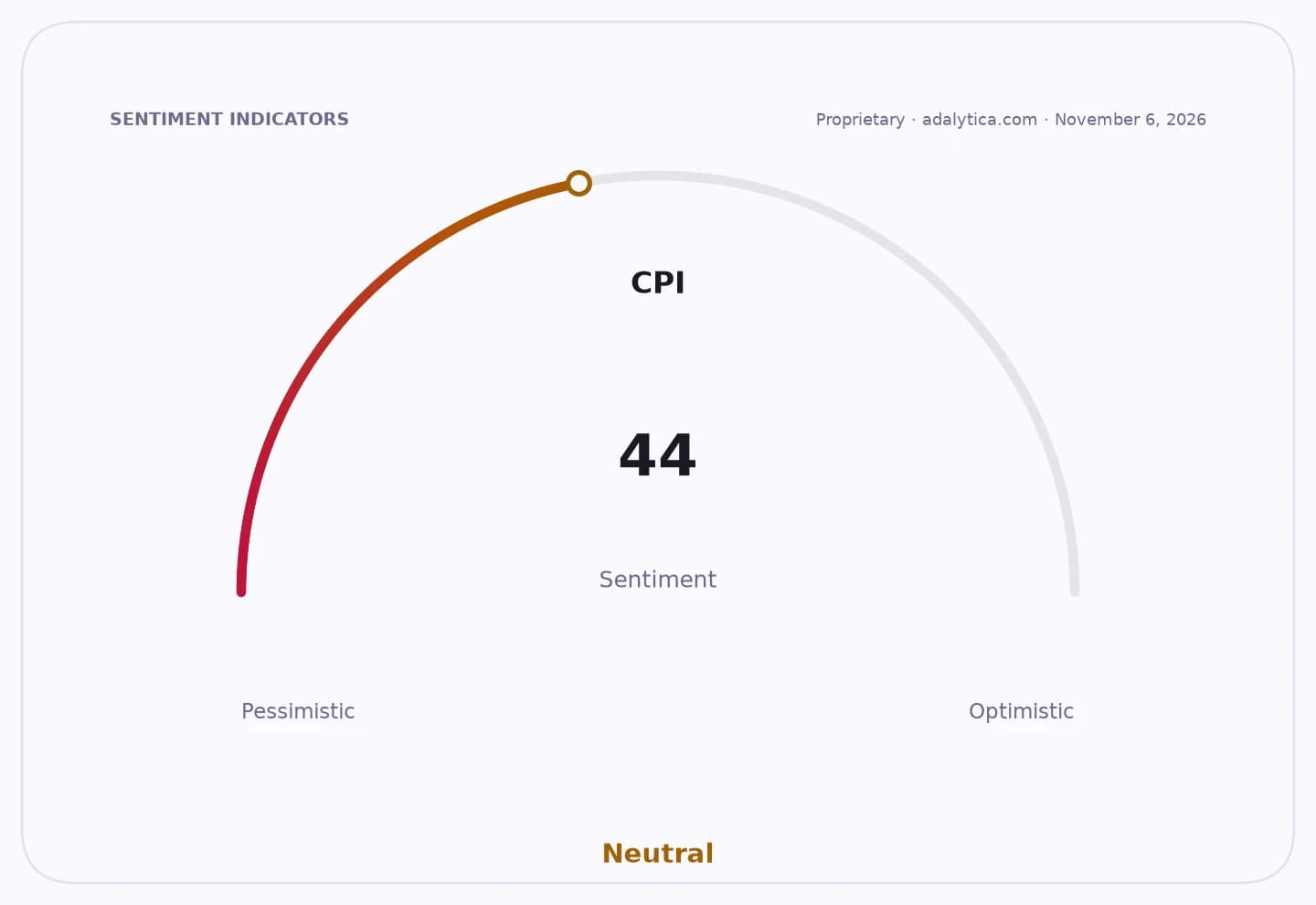
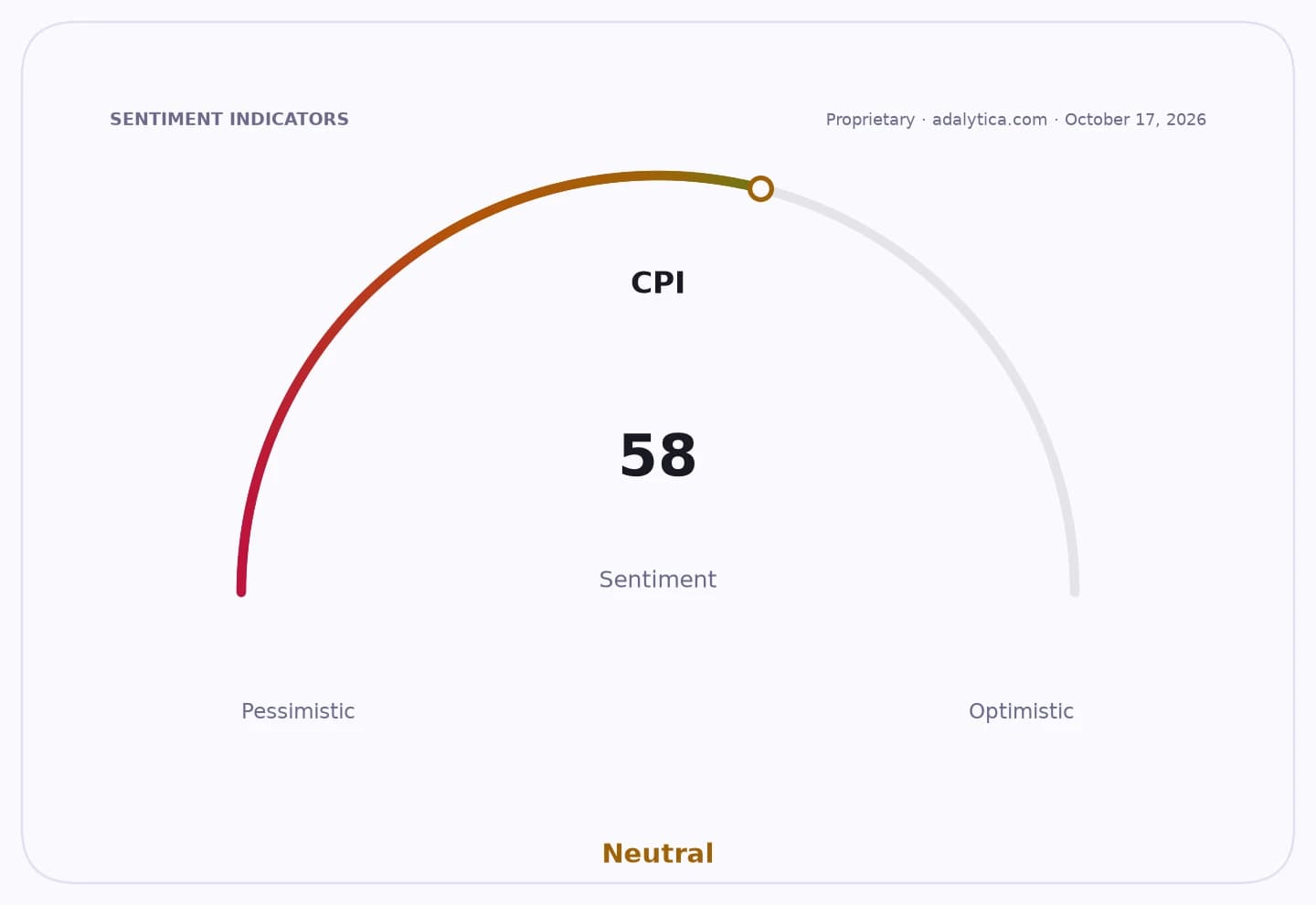
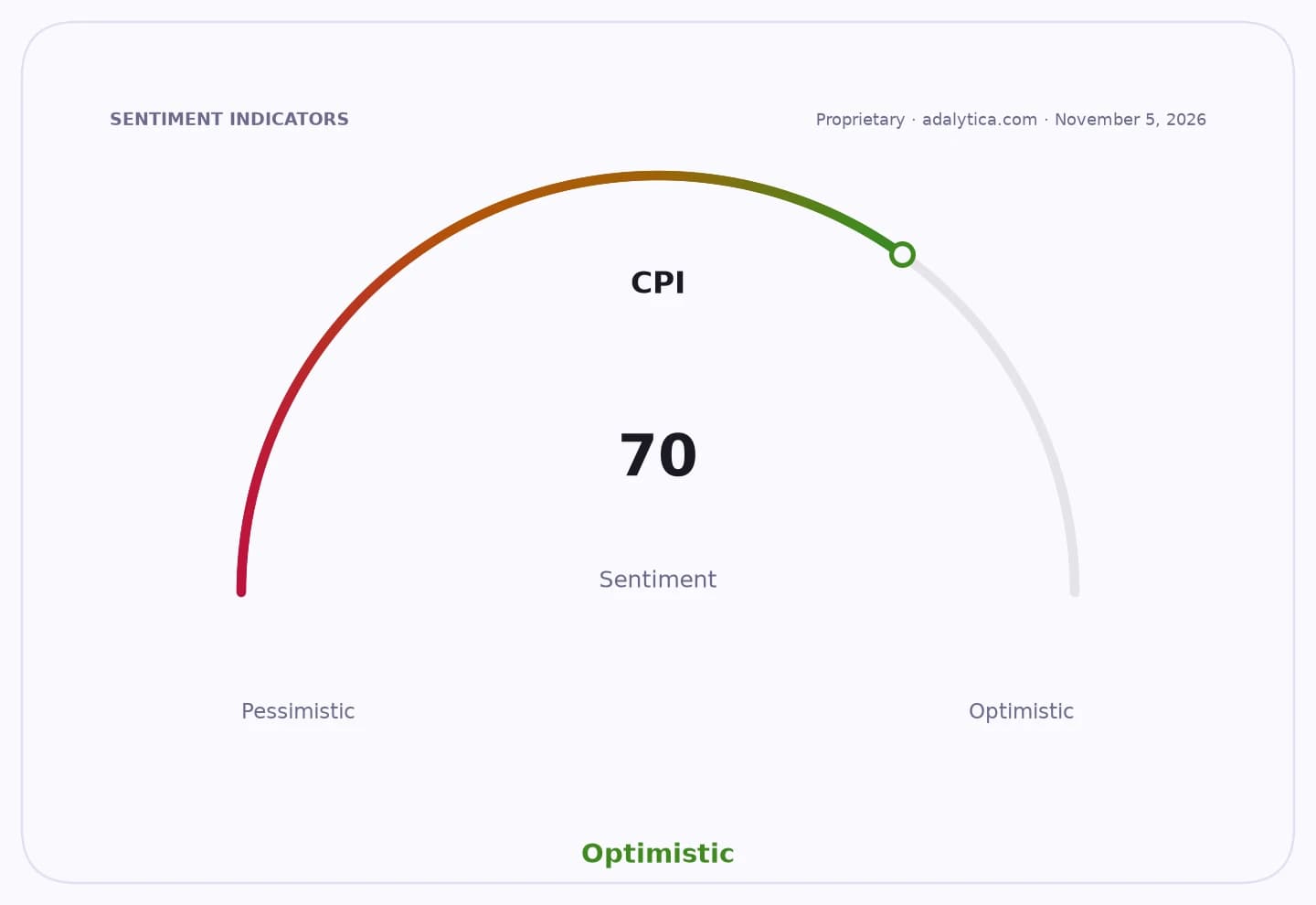
That matters because the growth target is not just an aspiration, it is a policy line in the sand. Officials want higher incomes, better productivity and stronger private investment, but they also know that inflation is the first thing that can derail the story. October consumer prices were running at 3.23%, still manageable, but close enough to the center of the policy debate that the central bank is already tightening. For investors, the message is clear: this is not a straight-line growth trade. It is a balancing act between expansion and price stability, and the winners will be the companies and assets that can live with tighter money and a stronger macro framework.
Sentiment Indicators
The economic significance is bigger than one headline GDP target. A 10% growth objective implies a state willing to push hard on investment, infrastructure, industrial output and domestic demand. But the government is also explicitly saying that macroeconomic stability and inflation control must come first. That combination usually means policy support will be selective rather than reckless. It also means rates are unlikely to be cut aggressively until inflation expectations are better anchored, keeping pressure on credit-sensitive sectors while supporting the currency and longer-dated assets.
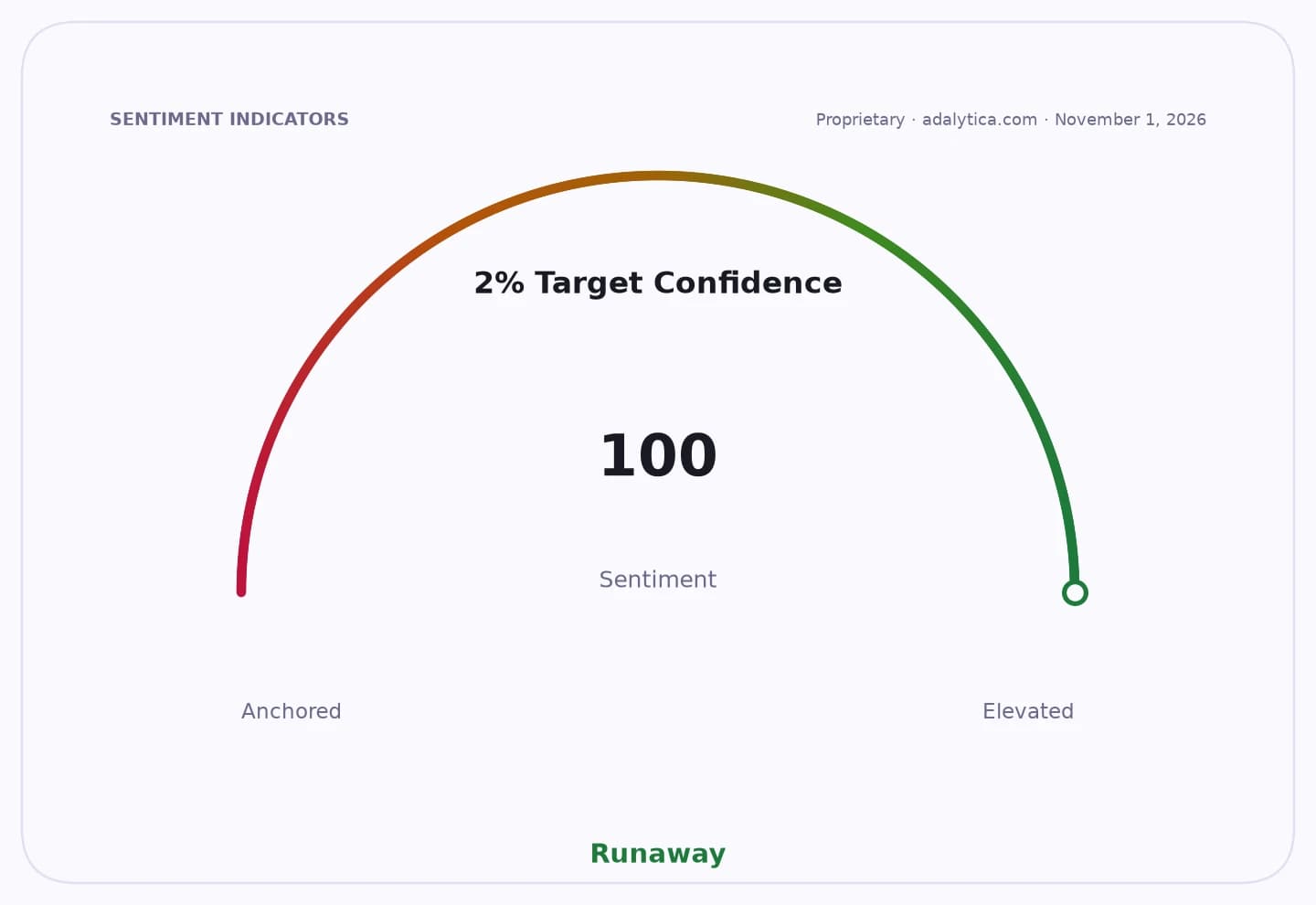
Markets should read this as a signal that Vietnam wants growth, but not at the cost of macro credibility. The central bank’s recent rate hikes reinforce that stance. Higher borrowing costs may crimp short-term consumption and property speculation, but they also help keep imported inflation in check and protect the dong. In emerging markets, that trade-off matters: countries that preserve policy discipline can attract more stable capital flows, lower risk premiums and eventually cheaper funding for the real economy.
That is why inflation control is not a side issue, but the foundation of the 2027 investment case. If policymakers can hold prices near current levels while lifting GDP per capita toward the stated $6,100 target, Vietnam could sustain a rare combination of fast growth and macro stability. That would be a strong tailwind for banks, industrials, exporters and infrastructure-linked names that benefit from rising investment, while leaving rate-sensitive consumer lenders, leveraged developers and speculative domestic plays more vulnerable.
The market is likely underestimating how much this policy mix favors quality over leverage. Social assistance can cushion households, but it does not replace disciplined monetary policy. If inflation stays contained, the government has room to keep promoting growth without forcing a credibility shock later. If it doesn’t, the central bank will have to stay defensive, and that would quickly reprice the entire growth narrative.
For investors, the actionable takeaway is simple: position for Vietnam’s growth, but favor balance-sheet strength, pricing power and export exposure over cheap credit stories. Inflation control is what will decide whether the 2027 target becomes a durable re-rating story or just another macro promise.
| Entity | Gains | Losses |
|---|---|---|
| Vietnam exporters | ▲Currency stability | ▼Faster domestic demand |
| Banks with strong funding | ▲Lower credit risk | ▼Aggressive rate cuts |
| Infrastructure and industrial names | ▲Policy support | ▼Inflation spikes |
| Leveraged property developers | ▲— | ▼Higher borrowing costs |