Vietnam’s November 1 cuts to gasoline and electricity prices will only trim a student’s monthly bill by a few tens of thousands of dong, but the bigger story is that policymakers are deliberately using cheaper energy to cushion household budgets and take pressure off inflation.
Vietnam cuts gasoline and electricity prices
E5RON92 gasoline was reduced by 1,804 dong a liter to no more than 24,223 dong, while E10RON95-III fell by 1,575 dong to no more than 24,159 dong. The average retail electricity price was cut 2% to 2,159.9037 dong per kWh before value-added tax, lowering one of the most persistent costs for students living in rented rooms or dormitories.
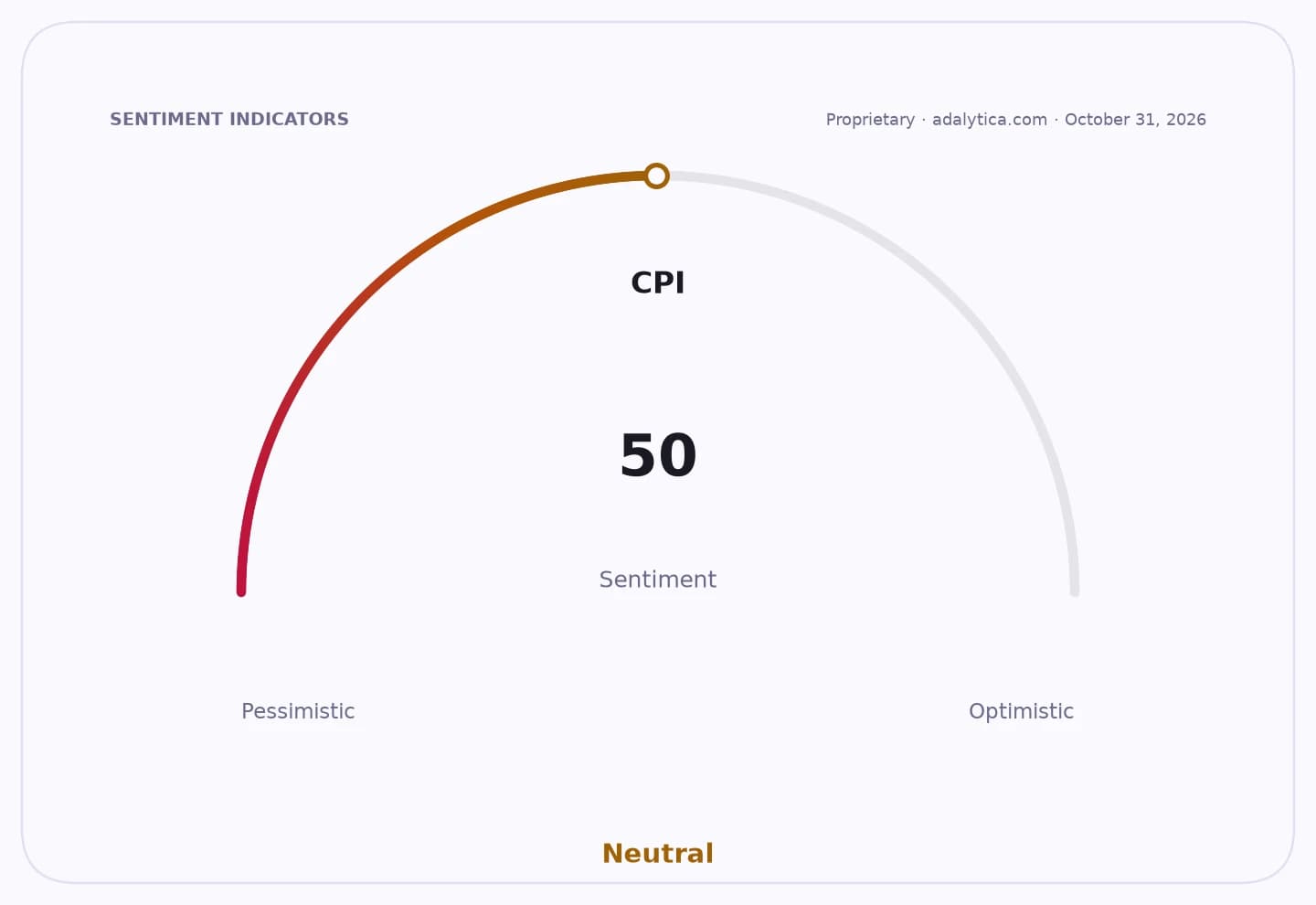
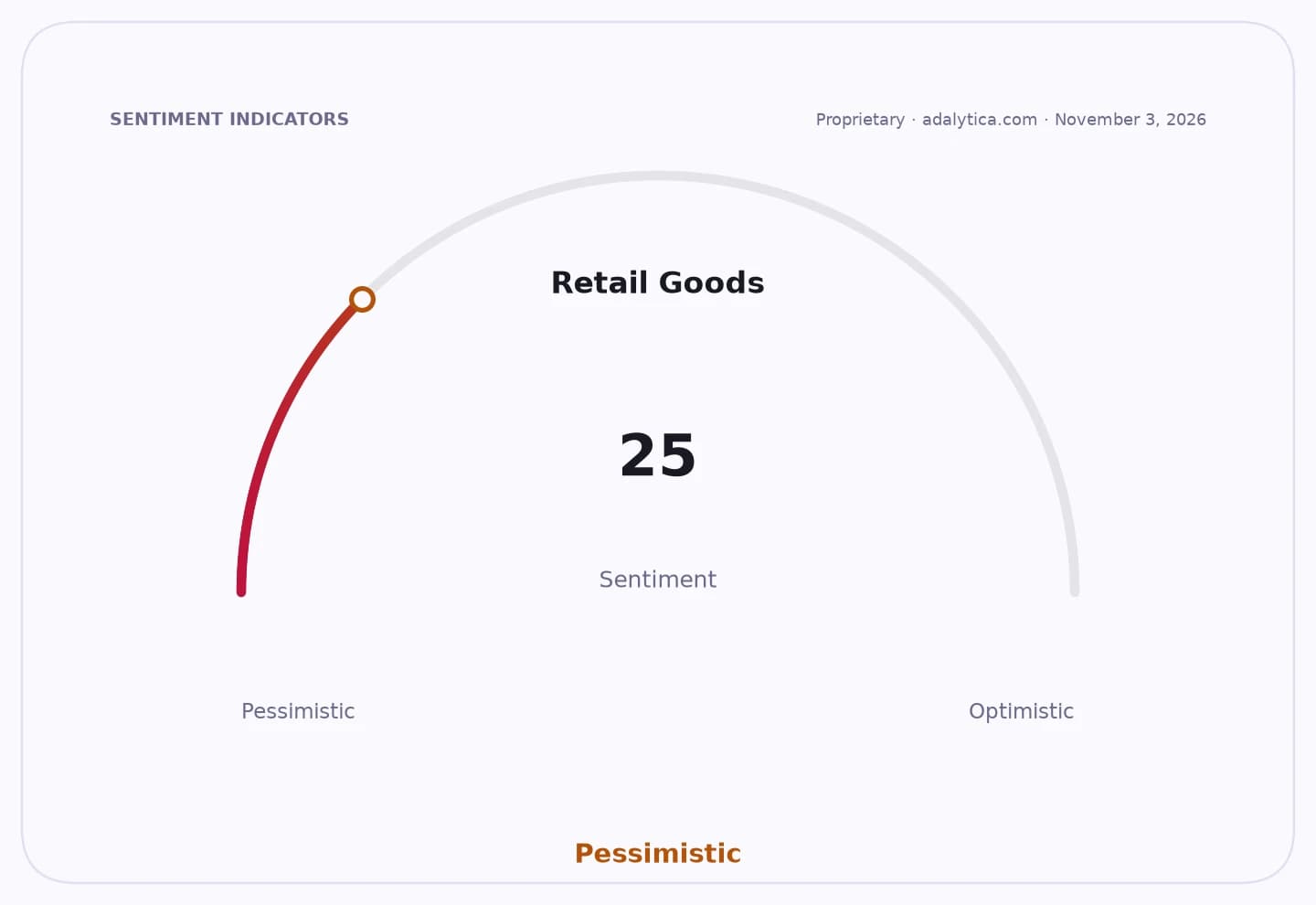
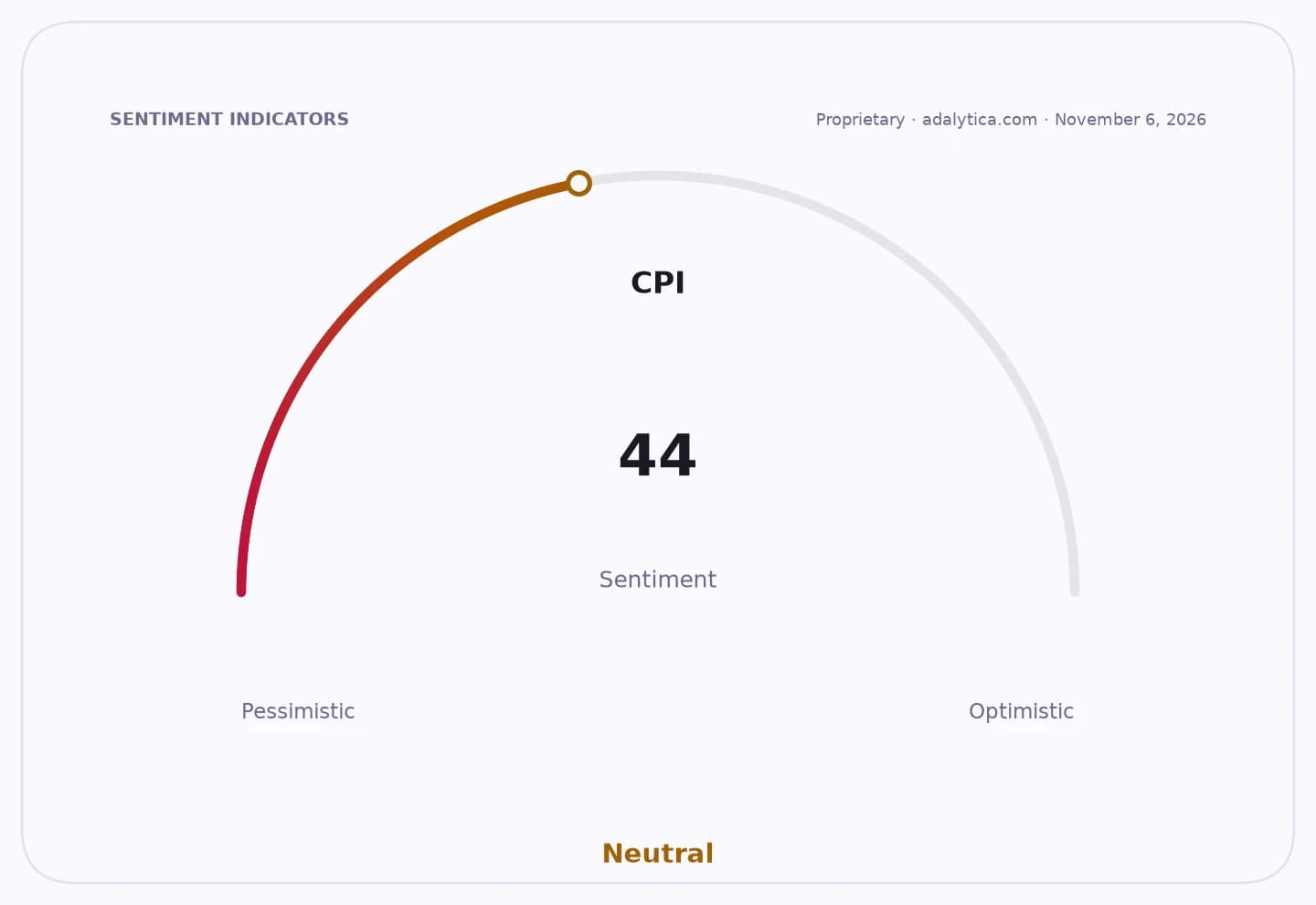
Sentiment Indicators
For students, the immediate relief is modest but real. One renter interviewed said her monthly electricity expense of 600,000 to 700,000 dong and fuel bill of about 200,000 dong could fall by roughly 22,000 to 29,000 dong combined. Another estimated savings of 30,000 to 50,000 dong a month if usage stays unchanged. That is not a life-changing amount, but in a budget built around family support and part-time income, even small reductions matter when they recur every month.
The economic significance is broader than student wallets. Lower fuel and power costs feed through transport, production and operating expenses, giving businesses some room to ease pricing pressure. That matters in an economy where energy costs have been an important input to consumer inflation and household affordability. The move also supports domestic demand by leaving a little more cash in consumers’ hands at a time when spending power remains sensitive to living costs.
Investors should view this as a pro-growth, pro-consumption policy signal rather than a direct earnings event. Cheaper electricity can help industries with heavy power use, while lower gasoline prices may support transportation, logistics and consumer-facing sectors by reducing cost burdens. At the same time, the policy can pressure energy-related revenues and keep a lid on inflation expectations, which is usually supportive for rate-sensitive assets and broader market stability.
The market implication is that Vietnam is prioritizing affordability and activity over energy price rigidity, a stance that can help preserve purchasing power without requiring a larger fiscal response. The downside is that the benefits will not automatically flow through to retail prices in a neat one-for-one way, especially where rents, local billing practices and intermediaries blunt the pass-through. That means consumers may feel the relief slowly, while policymakers will still be judged on whether lower input costs actually show up in the broader price level.
The real investment takeaway is that this is less about a few thousand dong saved and more about a policy framework aimed at defending growth. If cheaper energy persists, the winners are consumer spending, transport and industrial margins; the losers are any companies or sectors exposed to softer fuel and power pricing. For investors looking at Vietnam’s consumption story, the signal is simple: affordability is becoming a more explicit policy tool, and that tends to favor the economy before it shows up in headline earnings.
| Entity | Gains | Losses |
|---|---|---|
| Students and households | ▲Lower monthly living costs | ▼Minimal immediate downside |
| Consumer and transport businesses | ▲Slightly lower input costs | ▼Less pricing power |
| Industrial users | ▲Better margin support | ▼Higher reliance on policy relief |
| Energy sellers | ▲None | ▼Lower fuel and power revenue |