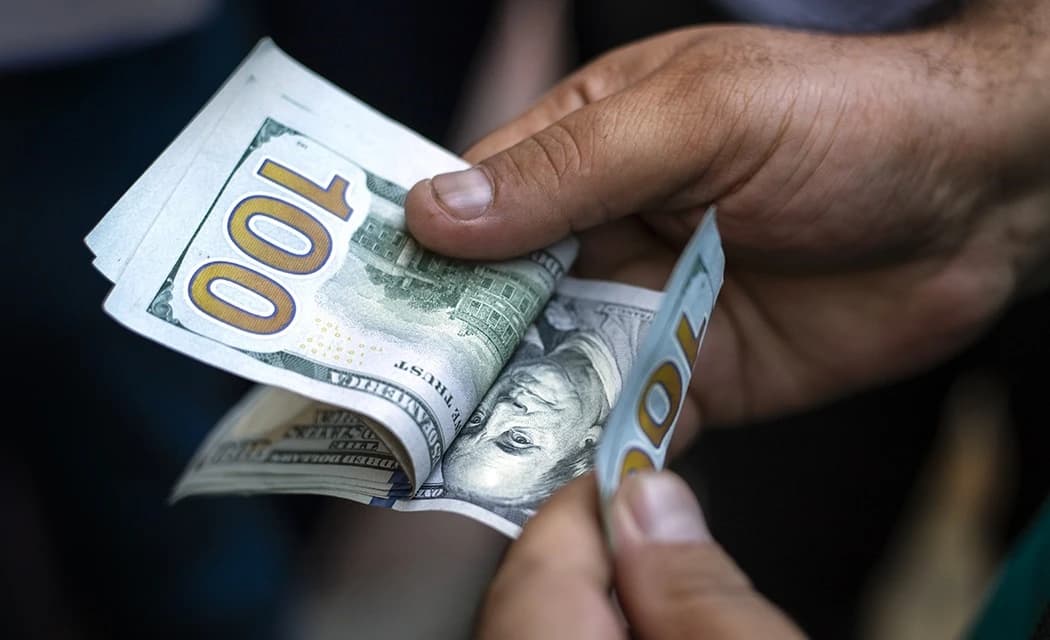
The dollar is heading into a key inflation test after hotter-than-expected US consumer prices strengthened bets the Federal Reserve may need to keep policy tight for longer, helping the currency hold firm even as Treasury yields and broader risk appetite remain unsettled.
US dollar holds firm ahead of inflation data
US Dollar
That matters because the dollar’s latest advance has been driven less by safe-haven demand than by a repricing of Fed policy. The greenback had already logged a second straight weekly gain after October payrolls rose 165,000, far above forecasts, reinforcing the view that the US economy is still resilient enough to absorb restrictive rates. Now the inflation backdrop is doing the heavier lifting for the currency narrative: if price pressures prove sticky, investors will extend the case for higher-for-longer US rates, supporting the dollar against lower-yielding peers and pressuring emerging-market currencies.
Sentiment Indicators
The move is already visible in currency and bond markets. The dollar index stood at 102.28 in the source data, while Adalytica’s US dollar trade signals showed sentiment in “Greed” territory at 73, up 32 points over seven days, even after a modest one-day pullback. That lines up with the broader market reaction to the inflation print, which also lifted gold and rattled currencies such as the Mexican peso and Canadian dollar, classic signs that traders are adjusting to a less dovish Fed path.
For investors, the significance is not just the headline inflation number but what it means for the policy mix. The Fed has already kept its benchmark rate at 3.75%-4.00%, and recent comments from policymakers suggest broad agreement that inflation remains too elevated, even if there is less consensus on the timing of the next move. A hotter inflation reading would strengthen the hand of officials arguing for another increase or at least a prolonged pause at restrictive levels. A softer print would do the opposite, easing some of the upward pressure on the dollar and potentially giving Treasury bulls room to recover.
US Dollar — 30-day sentimentadalytica.com
Explore this data interactively — full history, time series and cross-market comparisons.
That policy uncertainty is also reflected in market positioning. UUP, the dollar-tracking ETF, has climbed to 29.50 from 28.97 on November 9, holding above its 50-day and 200-day moving averages, while RSI readings near 68 point to a still-firm trend rather than an exhausted one. But the move is not one-way: Treasury bond signals remain weak, and the recent drop in bond-market sentiment suggests investors are reluctant to fully embrace a lower-growth, higher-yield regime until the inflation data and Fed guidance are clearer.
In local markets, Vietnam’s State Bank left its central USD/VND rate unchanged at 25,615 dong, underscoring how the global dollar tone continues to filter through into Asian exchange-rate settings. For now, the main question is whether the inflation data keeps the dollar’s recovery intact or exposes it to a corrective pause if traders conclude the Fed’s tightening cycle is nearing its peak.
| Entity | Gains | Losses |
|---|---|---|
| US dollar | ▲Higher-for-longer rate bets | ▼Softer inflation surprise |
| Federal Reserve hawks | ▲Stronger case for tight policy | ▼Pressure to ease too soon |
| Emerging-market currencies | ▲None | ▼Dollar strength and capital outflows |
| US exporters | ▲None | ▼Stronger dollar competitiveness hit |