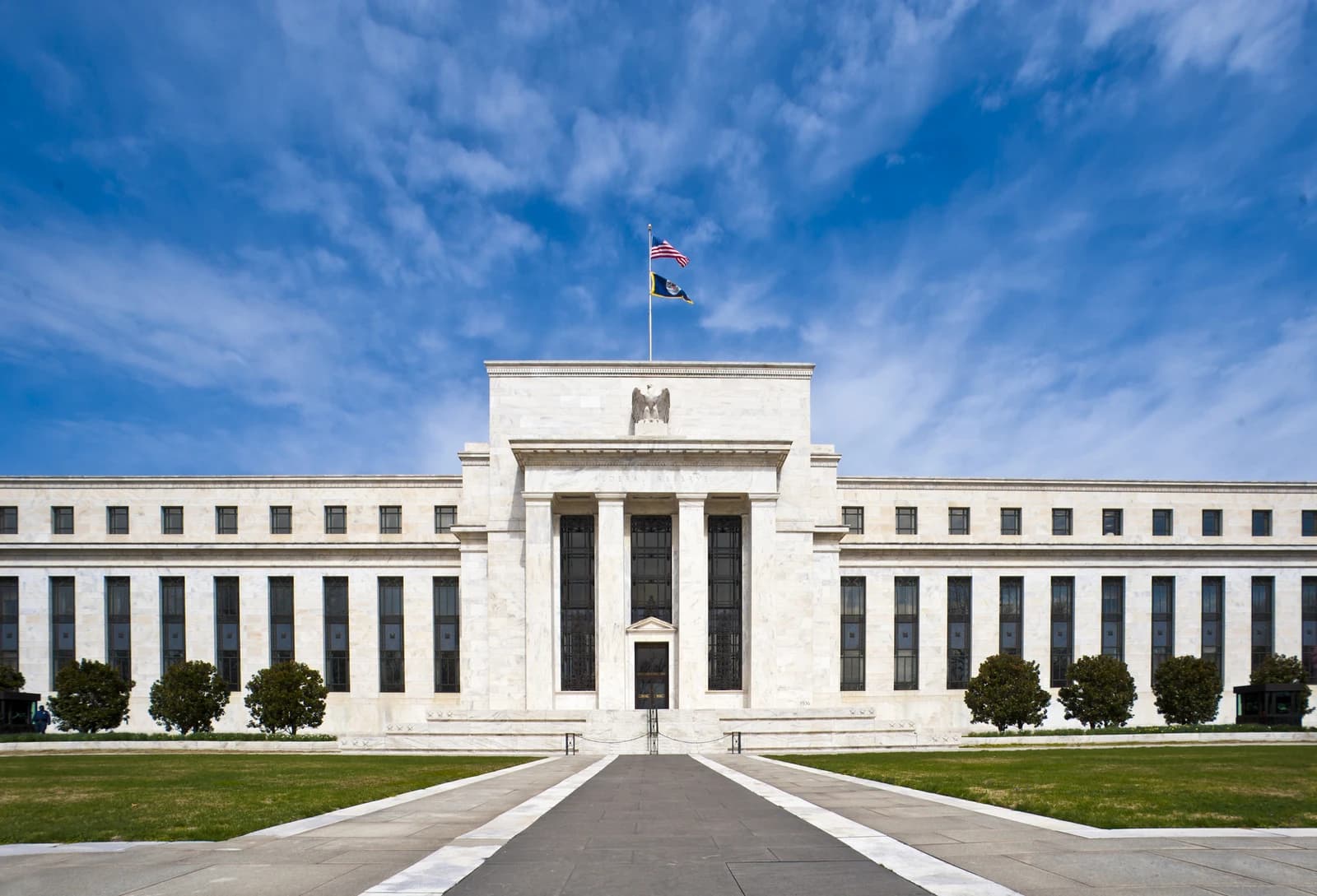
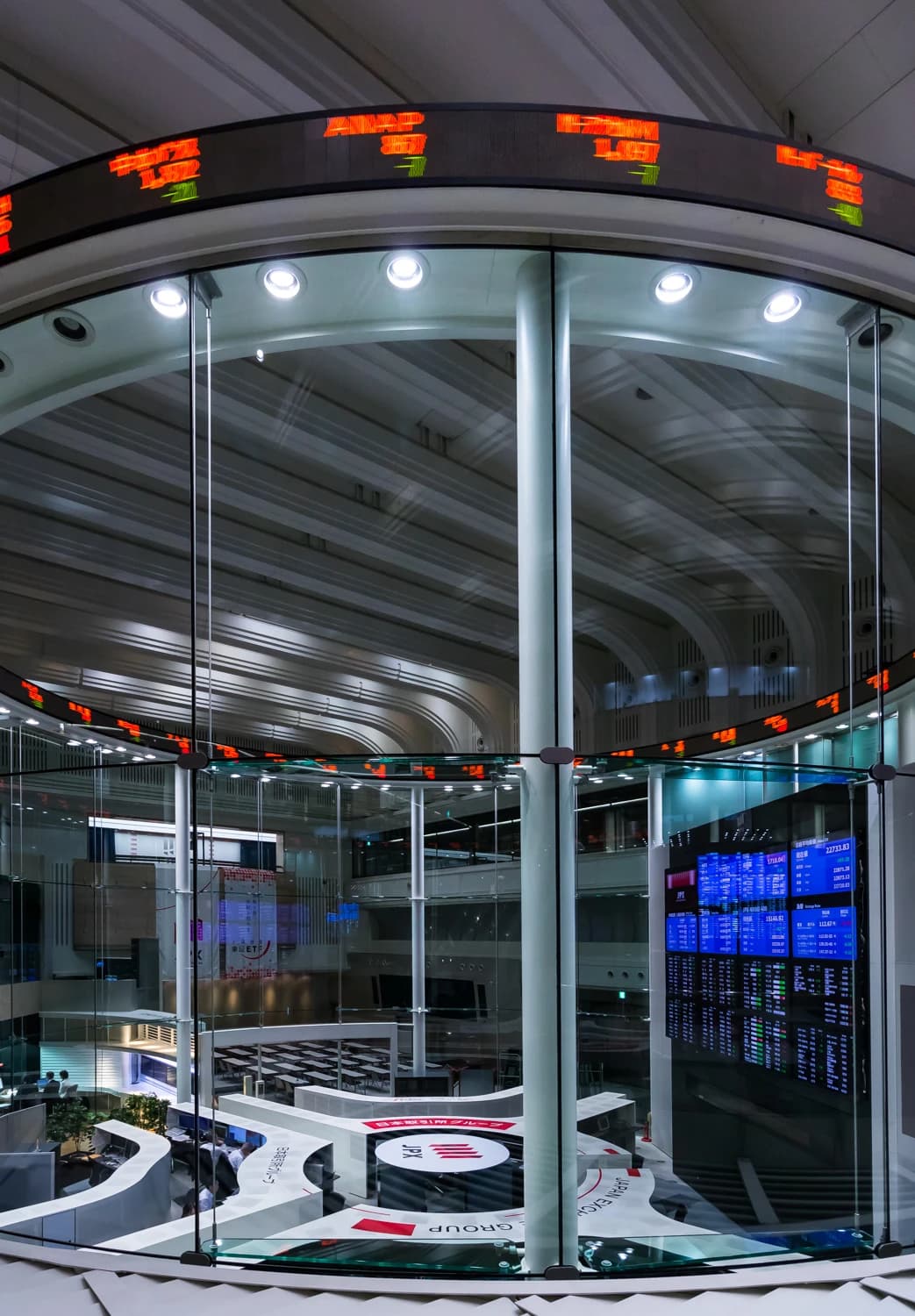
Asian equities rebounded as investors rushed back into technology shares and stepped away from the safest havens, even as the U.S. dollar held firm on expectations that the Federal Reserve will keep policy restrictive for longer.
Asian Stocks Rebound as Dollar Stays Firm
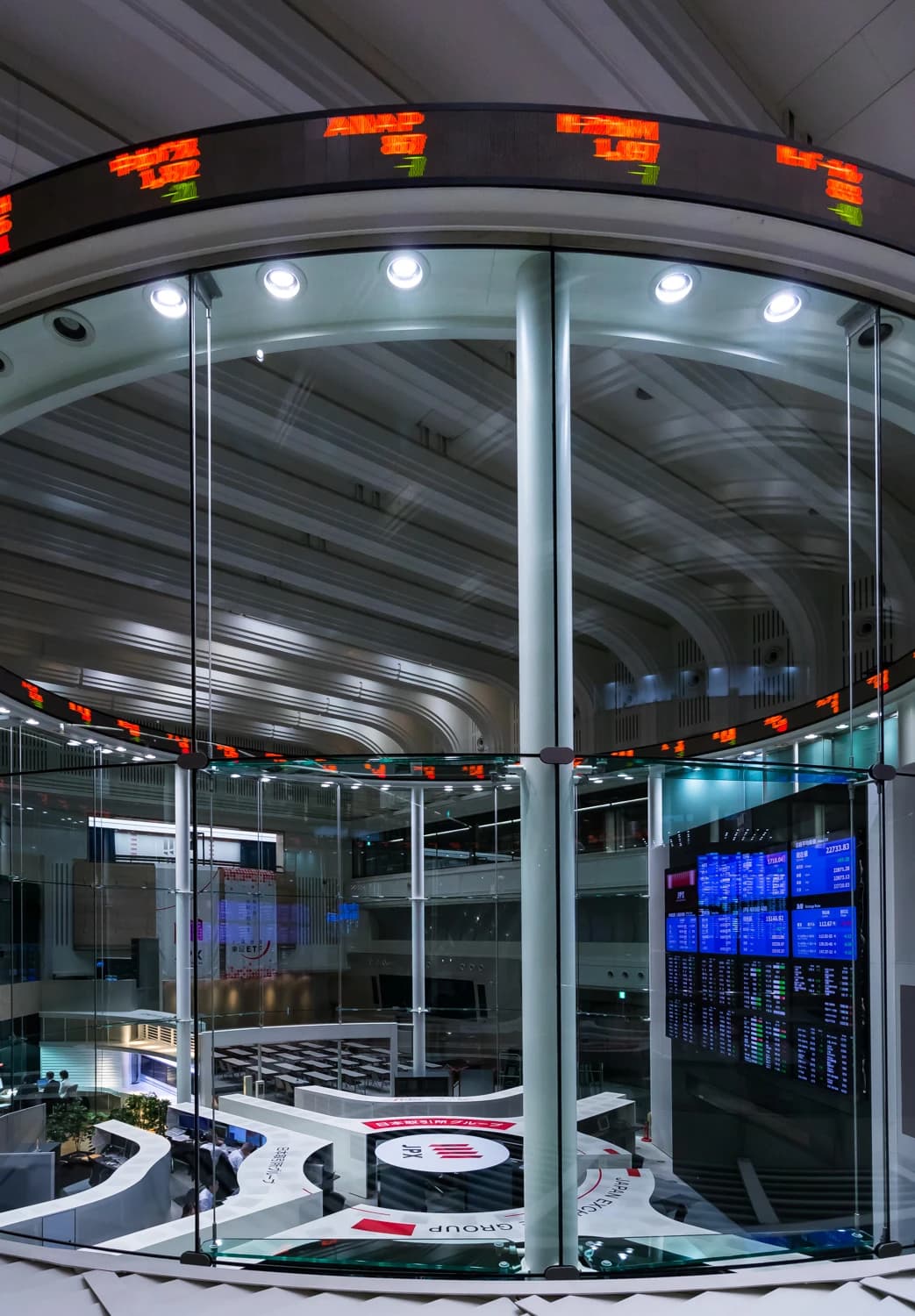
That combination matters because it tells investors the recent selloff may have been more about positioning and fear than a full-blown deterioration in the long-term earnings story. When AI-linked stocks stabilize, the market’s most important growth engine gets breathing room. When the dollar strengthens, however, it reminds global investors that U.S. rates are still doing a lot of the heavy lifting, and that can keep pressure on emerging markets, commodities and overseas earnings translated back into dollars.
Sentiment Indicators
The broad tone was constructive in risk assets. The SPDR S&P 500 ETF Trust finished at 754.37 on the latest reading, below its 50-day moving average of 764.09 but still comfortably above its 200-day average of 729.32, a sign the bigger uptrend remains intact even after a pullback. The technical picture is no longer as overheated as it was in May, when the fund briefly pushed to 744.4 with an RSI of 82, and recent readings near the mid-40s suggest the market has cooled enough to attract buyers again.
Japan’s iShares MSCI Japan ETF also showed that investors were willing to re-enter cyclical and export-sensitive names. EWJ ended at 91.76, below its 50-day average of 95.65 but above its 200-day average of 91.88, which suggests the market is still digesting earlier gains rather than breaking down. That matters for long-term investors because Japanese stocks remain tied to global trade, semiconductor demand and corporate reform themes that can compound over years, not days.
The dollar’s strength was the other half of the story. The U.S. Dollar Index ETF, UUP, rose to 29.50, near its recent highs and above both its 50-day and 200-day averages. That reflects a market that still believes U.S. yields will stay elevated. The 10-year Treasury yield was 5.124% in the latest forecast, while the fed funds rate was seen at 3.89%, a gap that keeps the dollar supported and financial conditions tight.
For investors, the message is straightforward: the market is not rewarding panic, but it is also not giving up on the Fed. That leaves plenty of room for rotation. The strongest companies in AI, semiconductors and other secular growth areas can still compound if earnings keep improving, but valuation discipline matters more when the dollar is firm and rates are high. Volatility may remain elevated, yet that can be an opportunity for long-term buyers willing to own quality through cycles.
The larger narrative is one of a market trying to separate temporary fear from durable trend. If geopolitical worries keep easing and AI spending keeps translating into real revenue, the rebound in Asian stocks could extend. But as long as the dollar stays anchored by Fed bets, investors should expect a bumpy road and favor diversification, patience and companies with clear moats, strong cash flow and the ability to grow through a tighter monetary backdrop.
| Entity | Gains | Losses |
|---|---|---|
| Asian equities | ▲Risk appetite returns | ▼Safe-haven demand |
| AI and chip stocks | ▲Rebound in growth sentiment | ▼Recent panic sellers |
| U.S. dollar/UUP | ▲Fed-for-longer support | ▼Multinationals and importers |
| Japanese exporters/EWJ | ▲Softer fear, firmer trade tone | ▼Buyers of foreign goods |