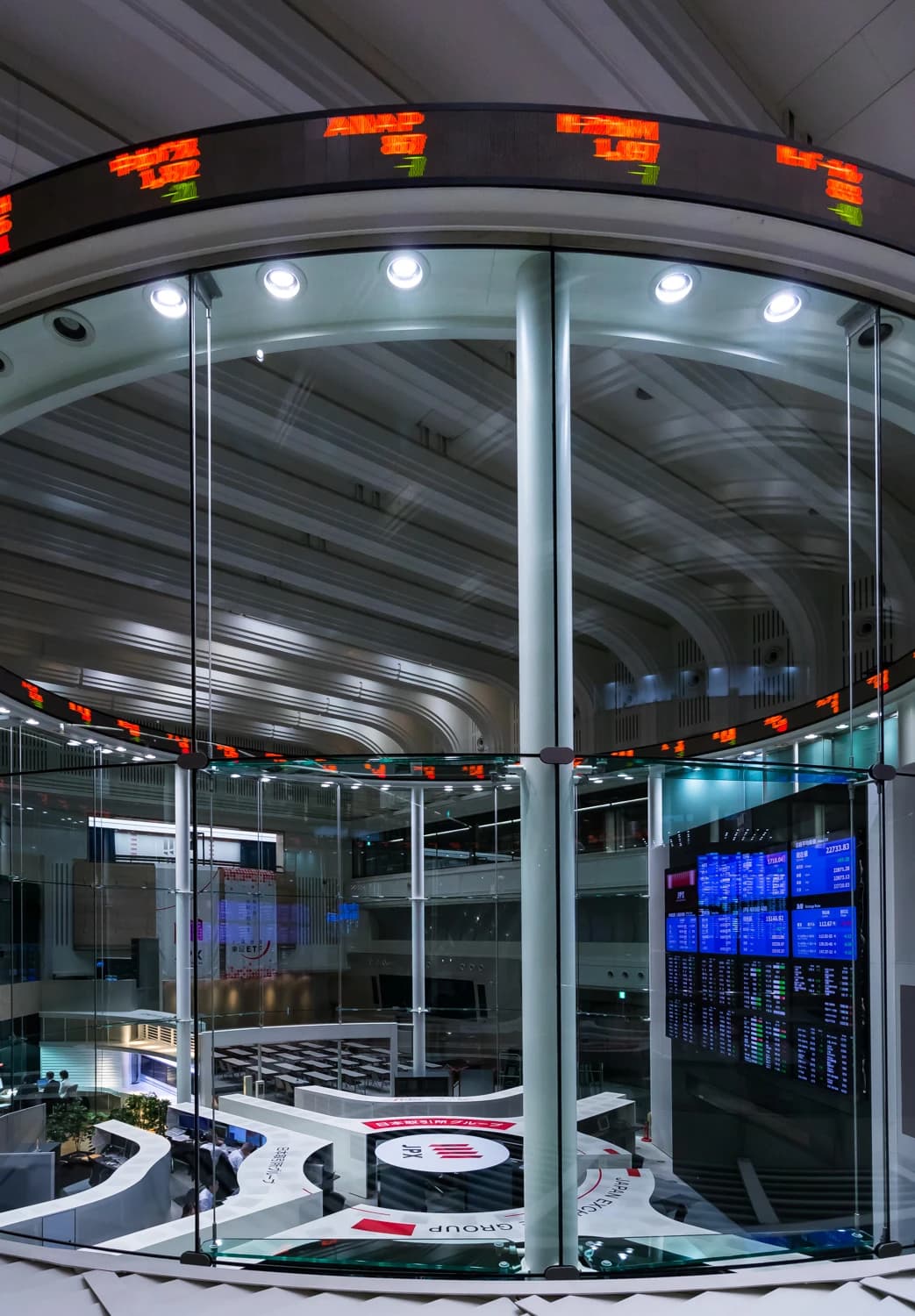
Asian stocks steadied on Monday as a punishing selloff in the region’s AI-linked names showed signs of easing, even as a stronger US dollar and firmer Treasury yields kept global risk appetite under pressure.
Asia stocks rebound as AI selloff eases
The rebound matters because last week’s rout exposed how dependent Asia’s market leadership has become on the AI capex story. Taiwan, South Korea and Japan have been among the clearest beneficiaries of the global race to build chips, servers and data-centre infrastructure — and the sudden pullback showed how quickly that trade can unwind when investors question profitability, regulation and the pace of spending.
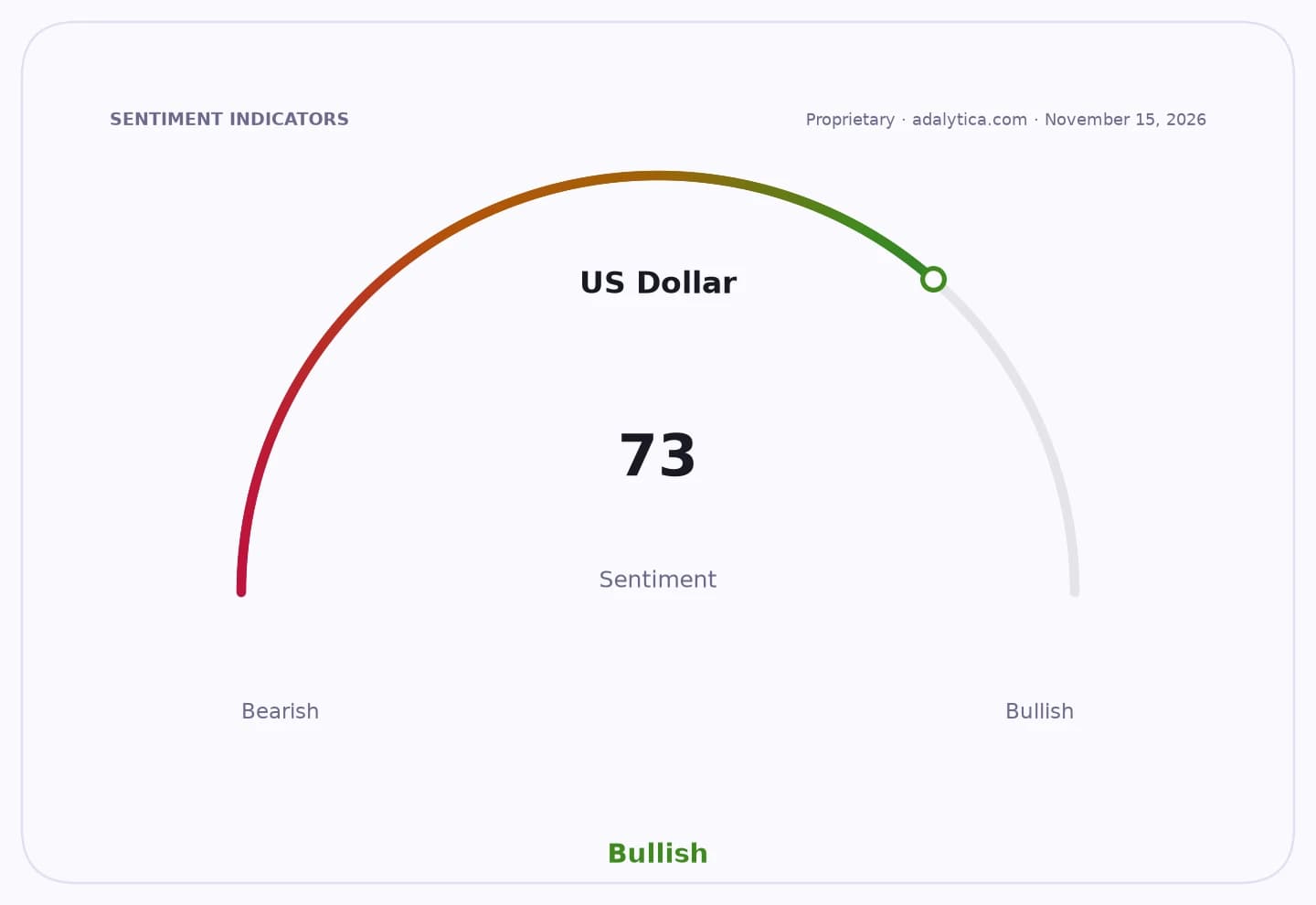
Sentiment Indicators
MSCI’s broadest index of Asia-Pacific shares outside Japan rose 0.8% after tumbling 4.6% last week. Taiwan stocks, which suffered their sharpest weekly fall in two decades, rebounded about 2.5%. Japan’s Nikkei climbed 2.5%, while Korean shares also firmed modestly. US equity futures edged higher after Wall Street ended a volatile week on Friday with a relief rally.
The immediate catalyst for the stabilization was simple: the panic selling in chip and AI names looked stretched after a week in which investors dumped the very companies that had powered much of the market’s gains. But the bigger issue is still intact. The market is now being forced to reconcile two powerful forces that do not easily coexist — an AI buildout that requires enormous capital spending, and a higher-rate environment that makes those long-duration growth bets more expensive to finance.
That tension is why this matters to investors beyond a one-day bounce. Earnings from CoreWeave, Applied Materials and Cisco this week will be watched as a real-time stress test for the economics of AI infrastructure. If spending is still accelerating but margins are not keeping up, the market may continue to rotate away from the most crowded winners and toward the infrastructure suppliers that get paid regardless of which model wins.
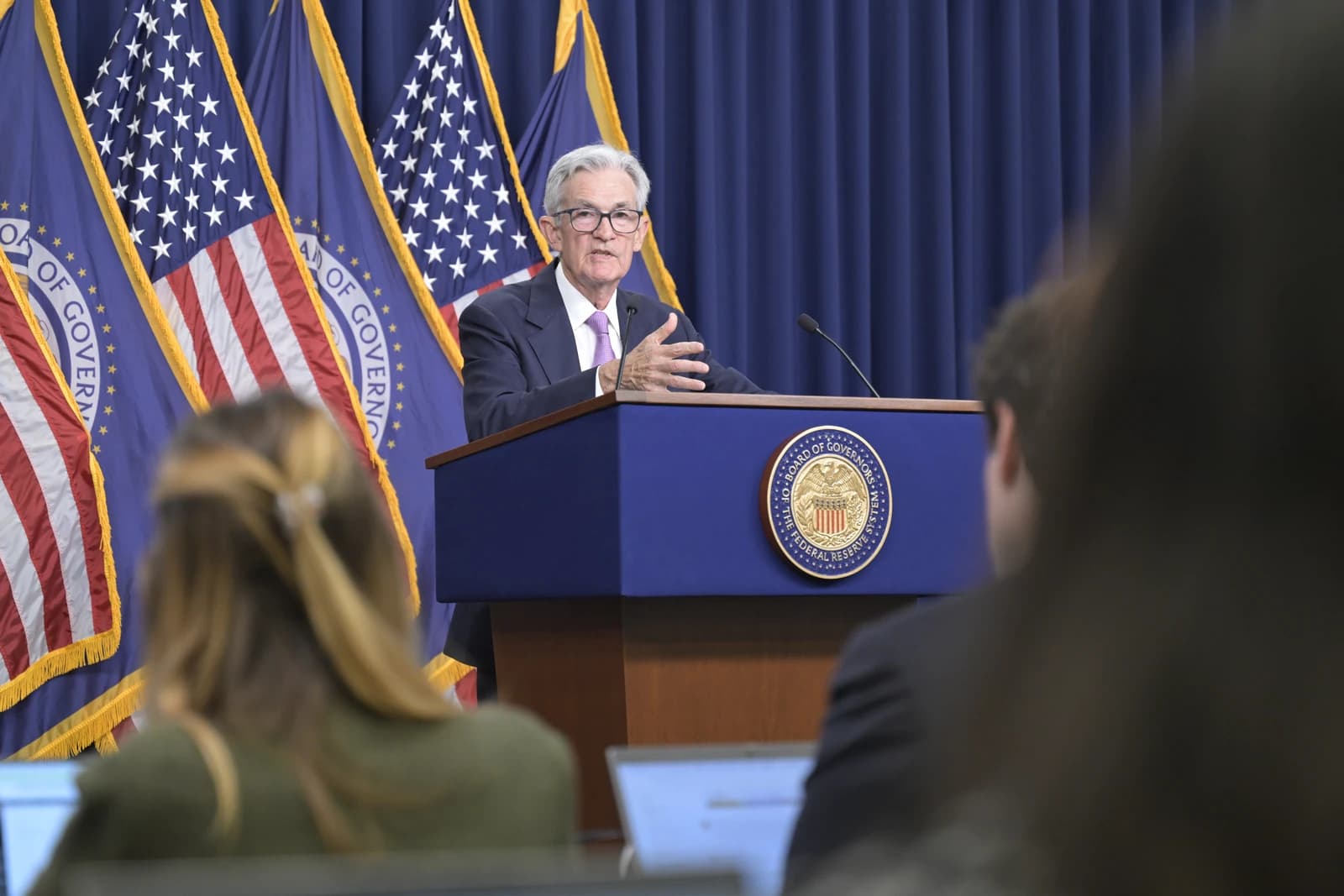
At the same time, the macro backdrop is turning more hostile for equities overall. A blowout US jobs report revived bets that the Federal Reserve will raise rates in December, with market-implied odds for at least a 25-basis-point move jumping to nearly 80%. New York Fed President John Williams reinforced that view by saying growth has held up and inflation remains too high. The dollar index hit 102.2 after its biggest one-day gain in five months, a move that typically tightens financial conditions globally and weighs on emerging markets, commodities and risk assets.
That stronger dollar is the other half of the story. It is telling investors that US policy may stay restrictive for longer, even as other central banks struggle to keep pace. The yen weakened to 158.215 per dollar, the euro was steady at $1.1148, and bond markets reflected the same theme, with yields edging higher. Gold and cryptocurrencies also came under pressure, with Bitcoin and ether both sliding as traders positioned for tighter policy.
For equity investors, the message is clear: this is not a broad risk-on reset. It is a selective rebound inside a still-fragile market dominated by rate expectations, regulatory risk and doubts about how much of the AI boom is already priced in. The market underestimates how much dispersion this creates. Winners will be companies tied to the physical buildout — chips, networking gear, power systems and data-centre equipment — while more speculative AI names may keep seeing violent swings whenever yields rise or profits miss the hype.
The next catalyst is Tuesday’s US CPI reading, which could either confirm the Fed-hike narrative or ease it. Until then, the best opportunities are likely to come from staying exposed to the AI infrastructure supply chain while avoiding the most levered expressions of the trade. In a market where the dollar is firming and the Fed is turning less patient, capital will reward real earnings and real hardware more than promise.
| Entity | Gains | Losses |
|---|---|---|
| AI infrastructure suppliers | ▲More spending on chips and equipment | ▼Valuation risk if margins disappoint |
| US dollar | ▲Benefits from Fed hike bets | ▼Emerging-market currencies |
| Treasury yields | ▲Supported by tighter policy expectations | ▼Rate-sensitive growth stocks |
| Bitcoin/ether | ▲— | ▼Tighter liquidity and regulation fears |