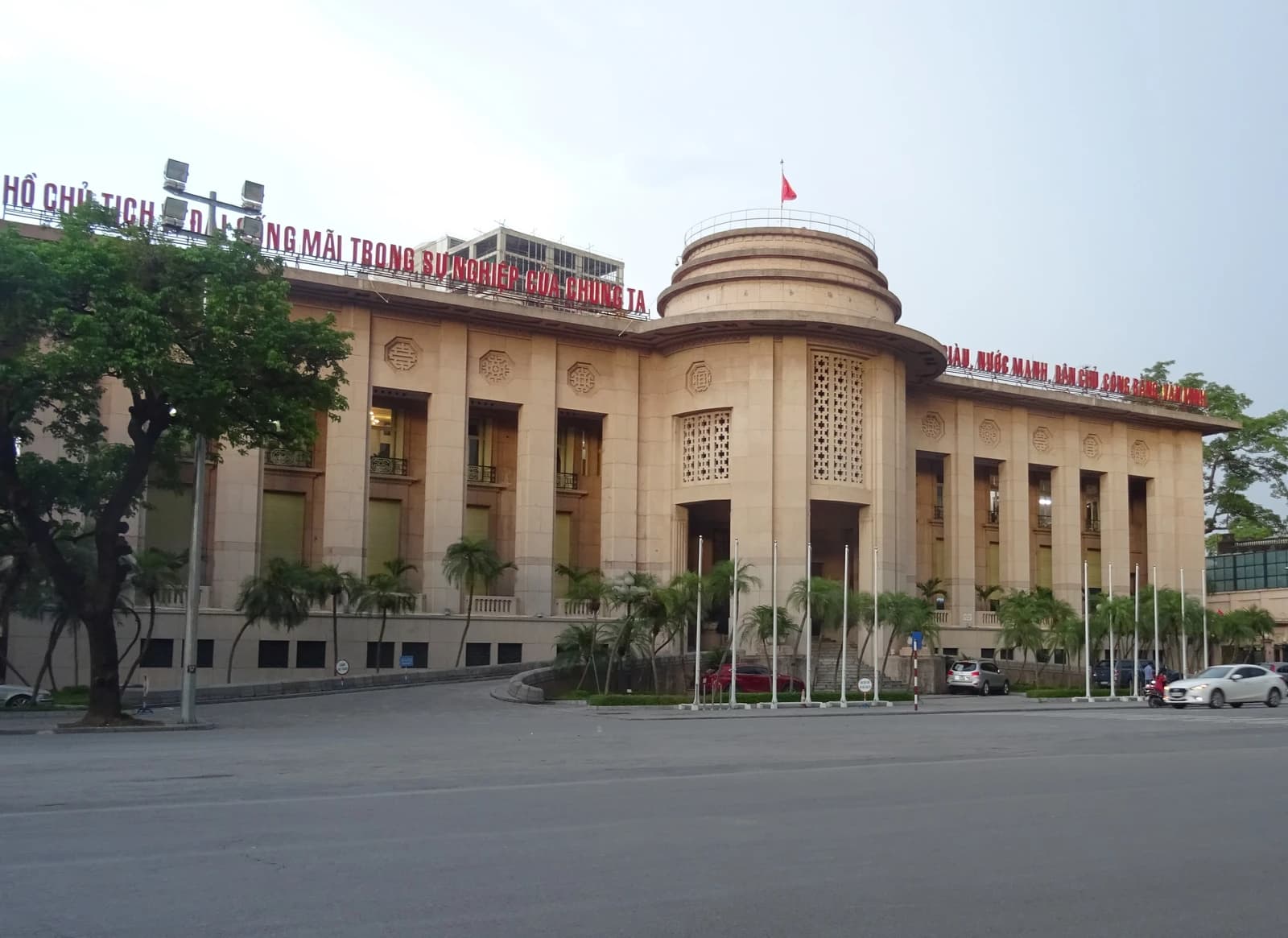
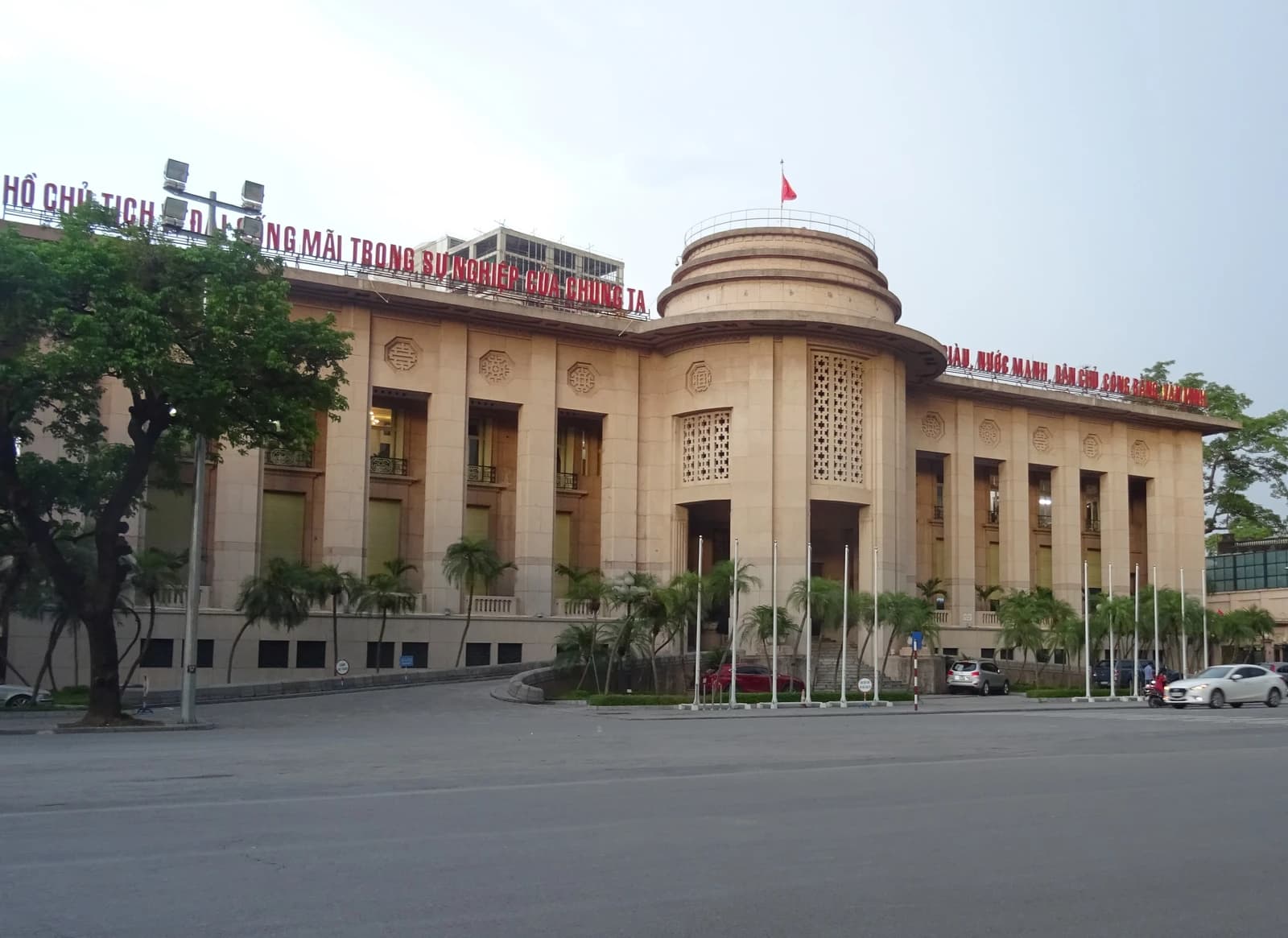
The U.S. dollar weakened further in Vietnam in the first week of November even as the greenback recovered on global markets late in the week, underscoring how domestic currency conditions can diverge from the broader dollar cycle.
Vietnam dong holds firm as U.S. dollar rises
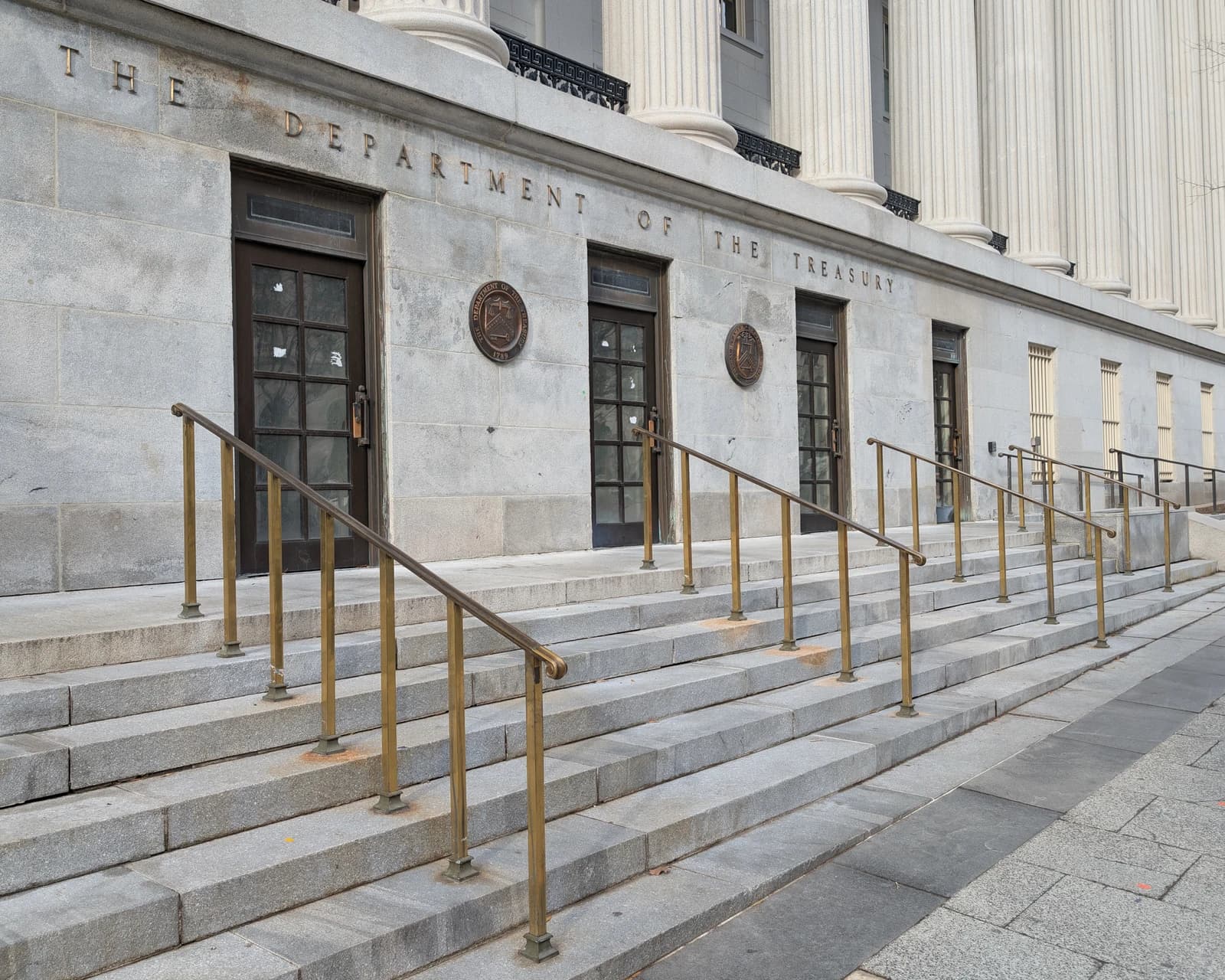
Vietnam’s State Bank set the central rate at 25,615 dong per dollar on Nov. 7, down 22 dong from the prior week, while commercial banks kept dollar quotes near the lower end of recent ranges. Vietcombank’s selling rate fell about 210 dong from the previous week to 25,780 dong, with VietinBank and BIDV pricing similarly below recent levels. The move points to persistent downward pressure on the dollar in the domestic market, even as the U.S. currency firmed overseas after a stronger-than-expected October jobs report.
Sentiment Indicators
US Dollar
That split matters economically because a softer dollar at home eases import costs, reduces pressure on firms with foreign-currency liabilities and gives the central bank more room to manage liquidity without leaning as hard against depreciation. It can also support sentiment in the local bond and equity markets by lowering imported inflation risk, especially for sectors sensitive to raw materials and fuel prices.
The international backdrop was less benign for emerging currencies. The dollar index fell early in the week as oil prices dropped, Treasury yields eased and geopolitical risk perceptions shifted, but it finished stronger after U.S. labor data revived expectations that the Federal Reserve would keep rates elevated. The DXY ended the week up 0.39% at 102.28, after dipping to 101.77 on Nov. 3. The U.S. dollar’s rebound was broad-based, reflecting renewed support from yield differentials and a market still sensitive to any sign that U.S. monetary policy will stay tighter for longer.
US Dollar
For investors, the key question is whether Vietnam’s exchange-rate strength is temporary or a sign of a more durable domestic balance between foreign-currency supply and demand. If the dollar continues to firm globally, pressure will eventually filter through to local pricing, especially if U.S. inflation data stays hot and the Fed keeps the policy path restrictive. But if domestic foreign-exchange inflows remain firm and the State Bank continues active management, the dong could stay insulated longer than other regional currencies.
The next catalyst is U.S. inflation data and any fresh guidance from the Fed. A hotter reading would likely reinforce dollar strength abroad and narrow the gap with Vietnam’s local rate stability, while softer data would reduce pressure on the greenback and may extend the current easing in domestic dollar quotes.
| Entity | Gains | Losses |
|---|---|---|
| Vietnamese importers | ▲Lower dollar costs | ▼Reduced pricing pressure relief if USD rebounds |
| State Bank of Vietnam | ▲More room to manage FX | ▼Less flexibility if global USD strength persists |
| U.S. dollar bulls | ▲Local weakness in Vietnam | ▼Global volatility if Fed expectations shift |
| Vietnamese exporters | ▲Weaker dong support | ▼Stronger dong can weigh on competitiveness |