The US dollar was little changed on Thursday as a rebound in crude prices offset some of the pressure from fading expectations for another aggressive Federal Reserve tightening cycle, leaving traders focused on Friday’s US jobs report.
US Dollar Flat as Jobs Report Looms
That balance matters because the dollar’s recent swings have been driven less by a single macro theme than by competing forces in energy, rates and risk appetite. A recovery in oil after Wednesday’s sharp drop supported the greenback by trimming the immediate relief trade in commodity-linked currencies, while a pullback in US equities and a reassessment of AI-fuelled capital spending raised fresh questions about growth.
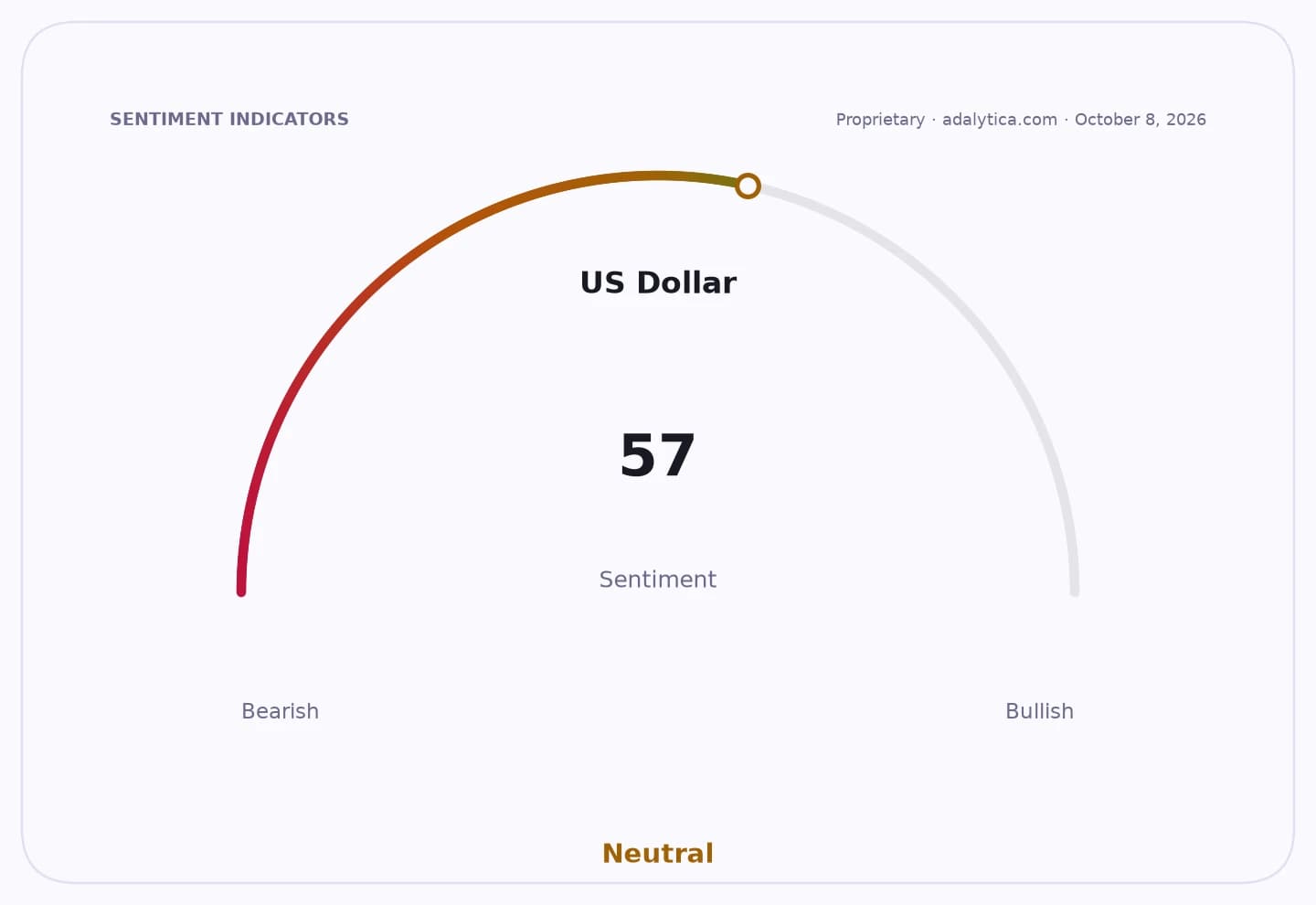
Sentiment Indicators
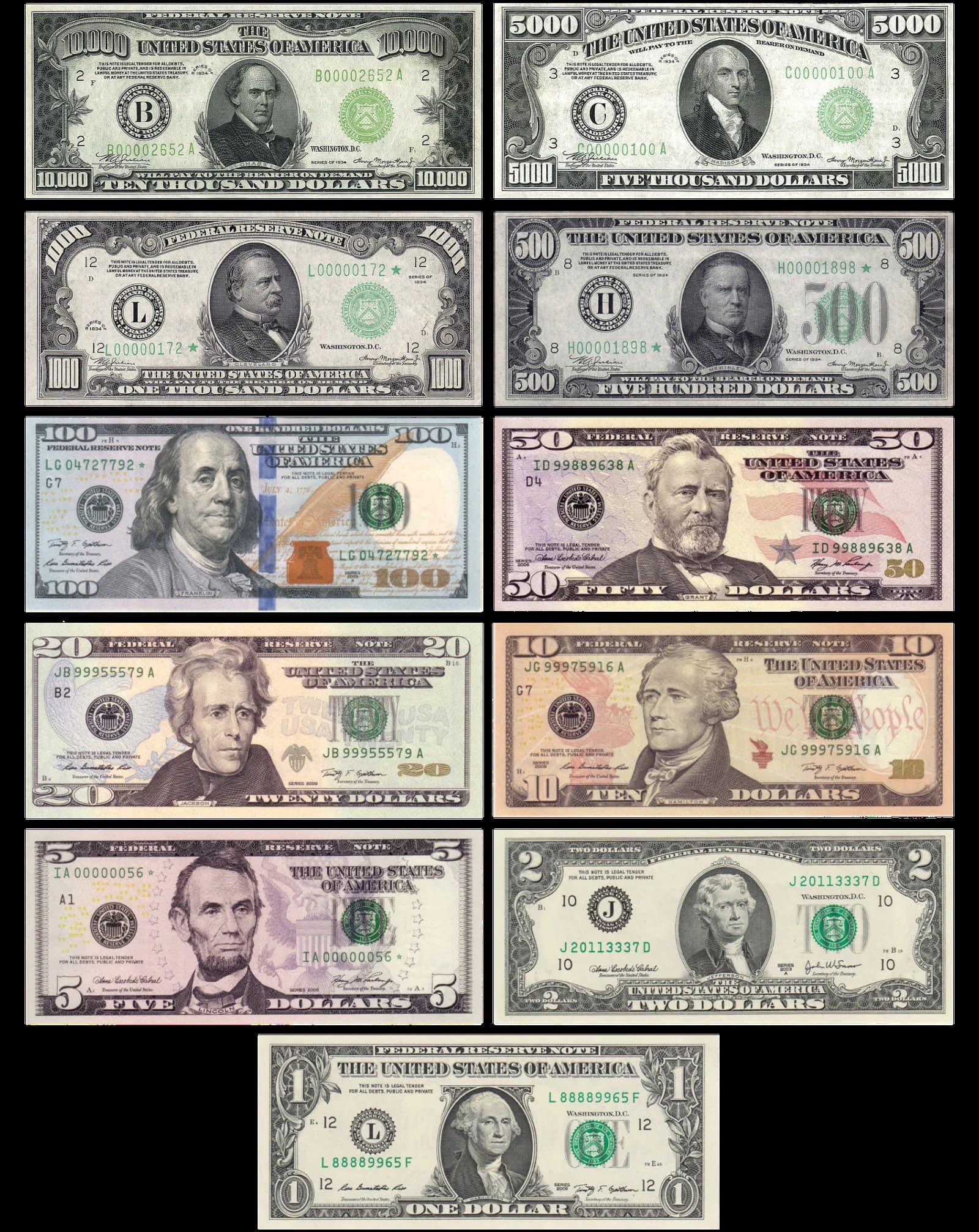
The US Dollar Index edged up 0.02% to 101.58, suggesting the currency remained in a holding pattern rather than starting a new trend. In derivative markets, CME FedWatch showed traders assigning a 66.1% probability to a 25-basis-point rate increase in December, down from 79.9% a week earlier. The shift reflects a market that still expects the Fed to stay restrictive, but is less convinced it will have to move as quickly as previously feared.
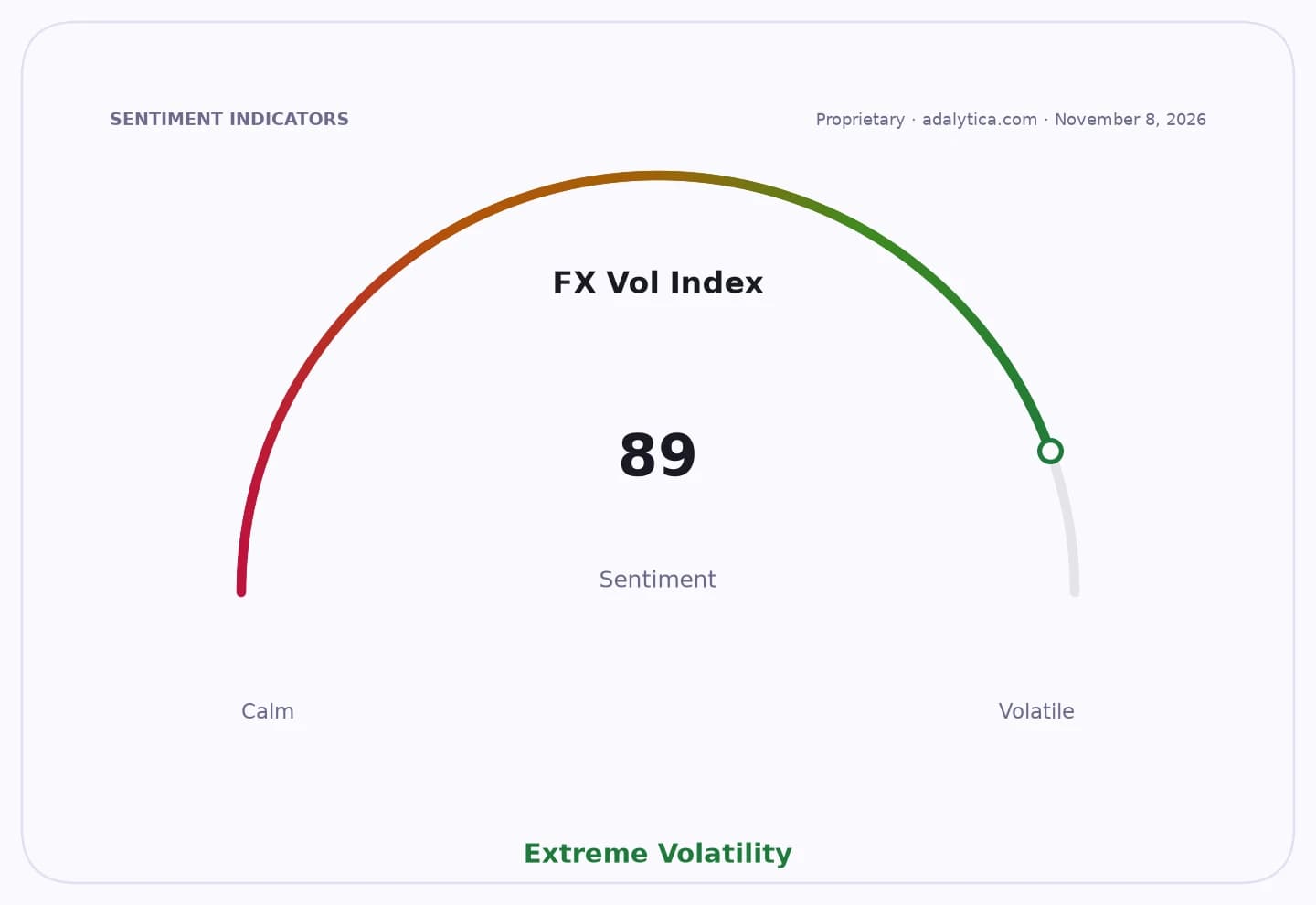
Oil’s rebound is part of that calculus. Crude rose more than 3% after a steep decline the day before, as investors reassessed supply risks in the Middle East following Republicans’ weaker-than-expected election performance. Lower geopolitical tension around the US, Israel and Iran has eased the immediate bid for energy, but the bounce in prices on Thursday helped stabilize broader FX markets and slowed the dollar’s recent rise in volatility.
FX Vol Index
At the same time, US data offered a mixed backdrop. Initial jobless claims fell by 6,000 to 189,000 in the latest week, while productivity growth in the third quarter came in stronger than expected, a combination that points to a labor market that is still firm without adding obvious inflationary heat. That is important for rate expectations: stronger productivity can help contain unit labor costs even if employment remains resilient, giving the Fed more room to pause if incoming inflation data cooperate.
Treasury yields were little changed, with the 10-year note at 4.86% and the 2s/10s curve at 35 basis points, indicating markets were still pricing a cautious growth outlook rather than a sharp reacceleration. The dollar’s relative calm also showed up in other major currencies: the euro was flat at $1.1229, sterling slipped after the Bank of England’s first rate hike in more than three years, and the yen strengthened after Bank of Japan minutes reinforced bets on further tightening.
For investors, the key issue is whether the dollar’s recent steadiness marks a pause before another leg higher or the start of a broader consolidation. A sustained rebound in oil would typically support inflation expectations and the dollar, but weaker conviction around Fed hikes and softer equity markets can work in the opposite direction. With US payrolls due Friday, the next move in the currency is likely to depend less on oil itself than on whether the labor market confirms the case for rates staying higher for longer.
| Entity | Gains | Losses |
|---|---|---|
| US dollar | ▲Support from firmer oil and higher yields | ▼Easier Fed-hike expectations |
| Oil producers | ▲Better pricing after Wednesday’s slump | ▼Consumers and importers |
| Fed hawks | ▲Strong labor data keep tightening alive | ▼Dovish shift in market pricing |
| Equity investors | ▲None from this setup | ▼Higher-for-longer rate risk |