The last inflation report of the year may determine whether the Federal Reserve gets the room it needs to begin cutting rates — or whether investors have to keep waiting.
CPI report may shape Fed rate-cut timing

Markets are heading into the November 12 release with inflation still above the Fed’s 2% target and Treasury yields already leaning higher. The 10-year Treasury note was around 5.1% in the context provided, while the iShares 20+ Year Treasury Bond ETF, TLT, slipped to 79.72 on Nov. 12 and 79.38 the next day, reinforcing how sensitive bond prices remain to any hint that inflation is not cooling fast enough. For investors, that matters because higher-for-longer rates hit the value of long-duration assets first, from Treasurys to growth stocks.
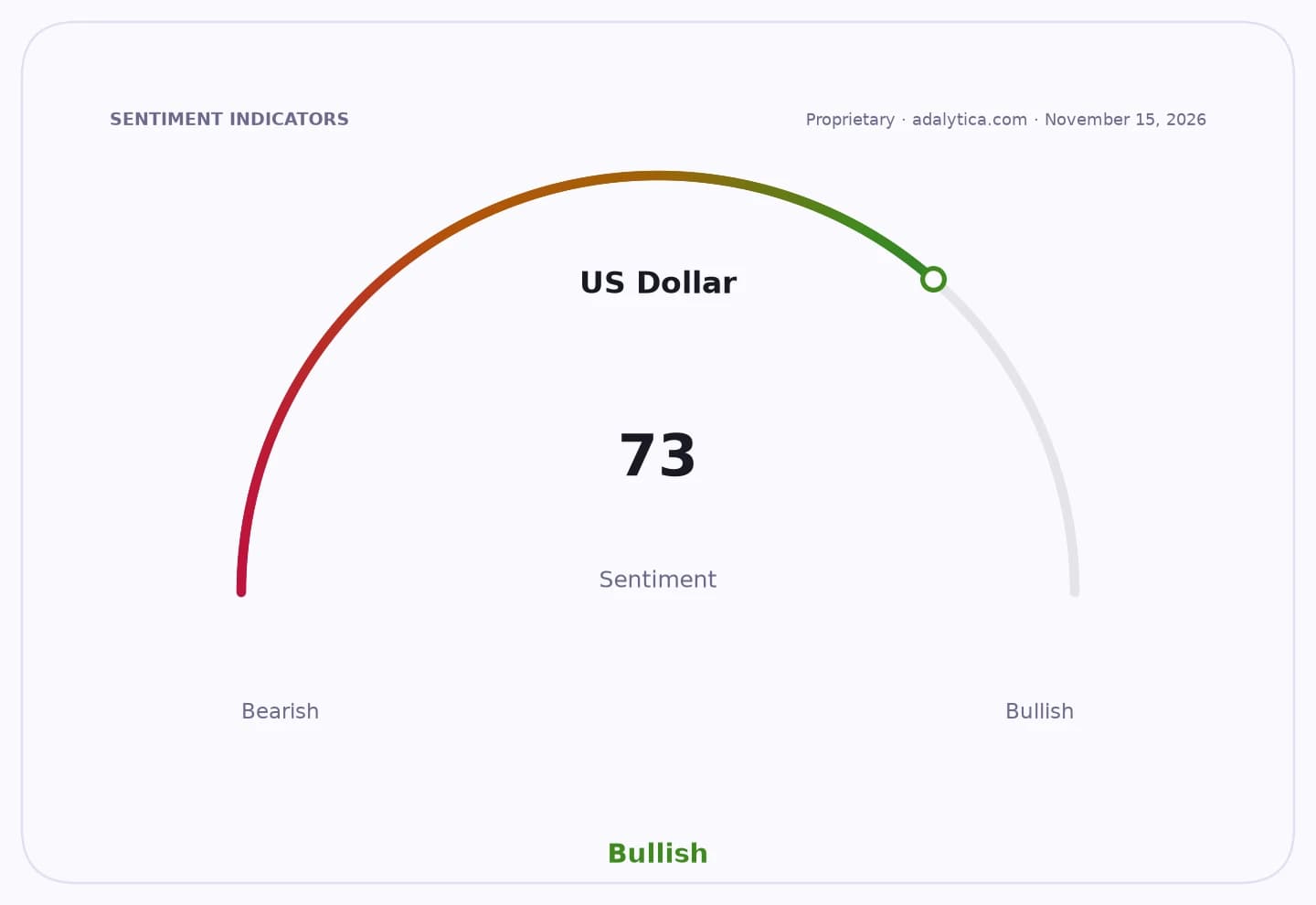
Sentiment Indicators
CPI
The key question is not whether inflation is falling in a straight line — it is whether it is falling fast enough to restore confidence. The forecast for the November report called for headline CPI to rise 0.35% month over month, leaving the index at 338.6475, while core CPI was seen up 0.27% to 340.8161. Those may look like modest monthly gains, but they are still consistent with inflation that is sticky rather than beaten. In other words, the Fed can’t declare victory yet.
That tension is showing up across markets. SPY has backed off from its highs, closing at 754.37 on Nov. 13 after trading above 766 earlier in the month, while long Treasury fund TLT remains below its 200-day moving average. The technical picture does not replace the macro story, but it does underline the same message: investors are still repricing the path of rates, not just the next data point.
CPIAUCSL vs CPILFESL — macro contextadalytica.com
Explore this data interactively — full history, time series and cross-market comparisons.
Why does that matter economically? Because inflation controls how much purchasing power households keep, how aggressively companies can raise prices, and how much freedom central banks have to support growth. A report that comes in hotter than expected would likely keep borrowing costs elevated for longer, pressuring housing, credit and interest-rate-sensitive sectors. A cooler print would do the opposite, easing pressure on bonds and giving equities more breathing room.
There is also a broader global backdrop. Eurozone inflation accelerated to 4% in October, its highest in three years, driven by energy prices, while Colombia reported annual inflation of 6.3%. That doesn’t determine the U.S. reading, but it does remind investors that price pressure remains a worldwide problem, not a solved one. The Fed is operating in an environment where inflation shocks can still echo through energy, transport and wages.
The market’s real issue is confidence. Adalytica’s confidence gauge for the Fed’s 2% inflation target fell to just 4, labeled extreme fear, while long-term inflation expectations sentiment also deteriorated. That kind of unease tends to keep bond volatility elevated and makes every CPI release a referendum on the Fed’s credibility as much as on price data itself.
For long-term investors, the message is simple: this report is less about one month’s inflation and more about whether the disinflation trend is durable enough to support lower rates in 2027 and beyond. If the numbers cooperate, bonds and rate-sensitive shares could recover. If not, patience will remain the most valuable asset in the market. Worth watching closely, but not a reason to abandon a disciplined, diversified portfolio.
| Entity | Gains | Losses |
|---|---|---|
| Bond bulls | ▲Cooler CPI, lower yields | ▼Hot inflation print |
| Growth stocks | ▲Easier rate outlook | ▼Higher-for-longer rates |
| Fed officials | ▲Room to consider cuts | ▼Need to stay restrictive |
| Consumers | ▲Slower price increases | ▼Continued inflation pressure |