Inflation, housing and the labor market are set to provide the clearest read yet on whether the U.S. economy is absorbing the shock from war-driven energy costs and tariffs, with the week’s data likely to shape expectations for the Federal Reserve and risk assets alike.
U.S. CPI, housing and jobs data in focus

The most important number is Tuesday’s consumer price index, where economists expect annual inflation to quicken to 3.9% from 3.7% in September. That would keep price growth above 3% for an eighth straight month and reinforce the view that households and businesses are still carrying the burden of higher fuel, shipping and goods costs tied to the U.S. conflict with Iran and President Donald Trump’s tariff campaign.
Sentiment Indicators
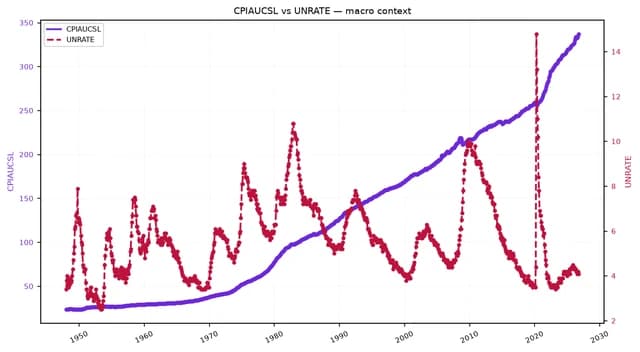
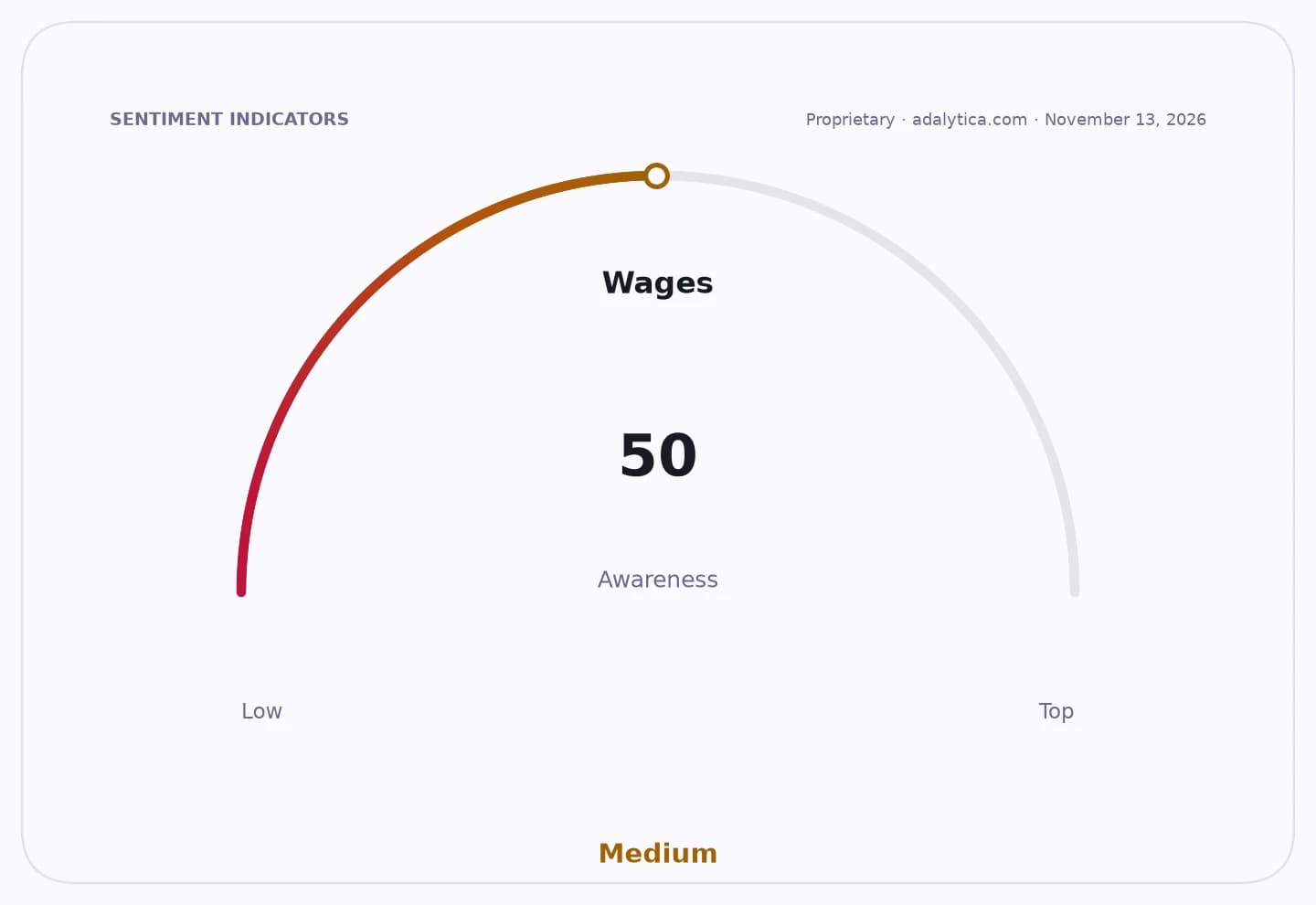
That matters economically because inflation is already squeezing real incomes. Wage growth has not kept pace, limiting consumer purchasing power just as higher energy bills and import costs filter through the economy. The producer price index due Friday will add another layer, with traders watching whether upstream fuel pressures are still feeding logistics and warehouse costs. The latest readings come after September’s producer price report showed the largest increase since December 2022, underscoring that cost pressure has not been confined to consumers.
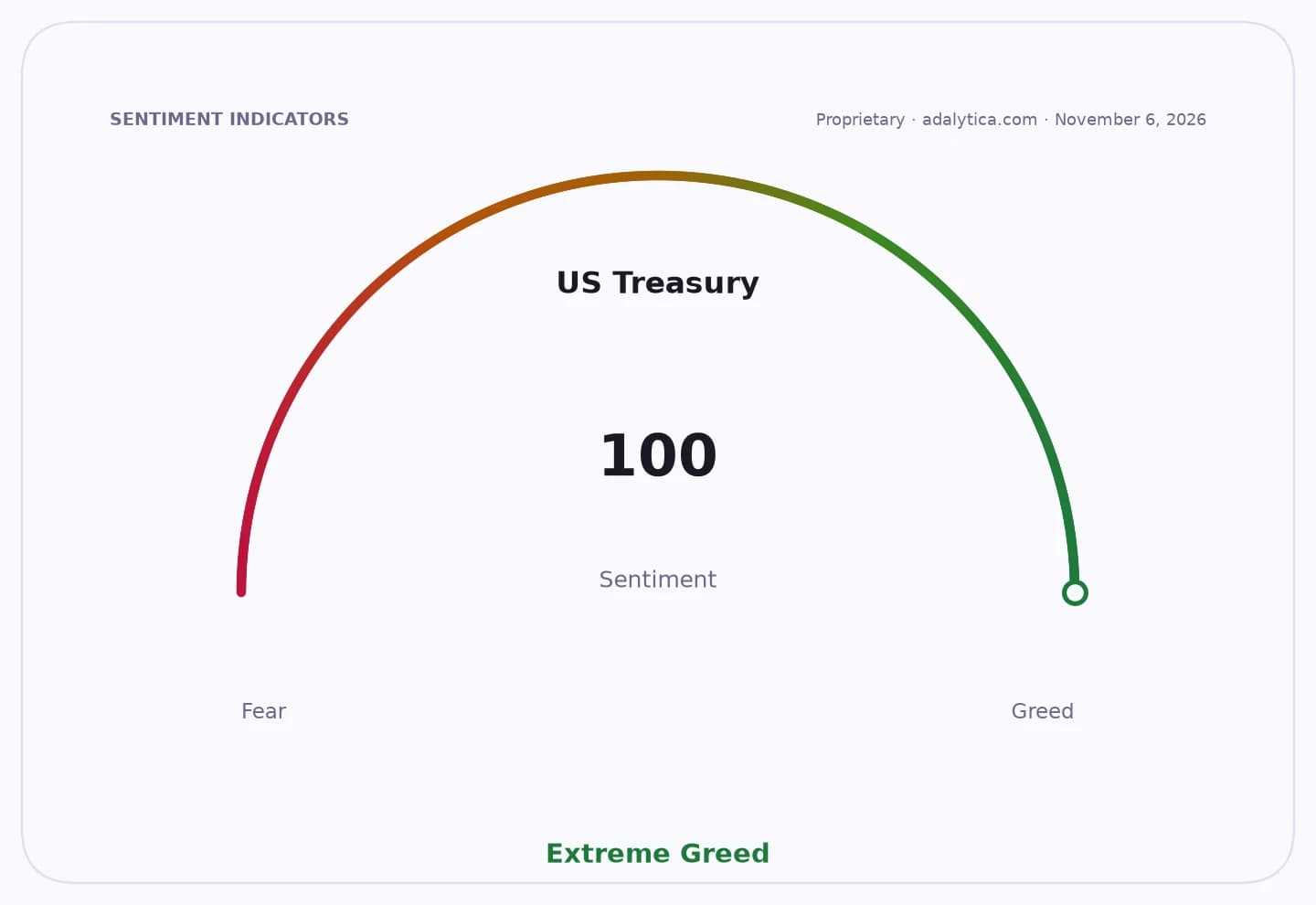
For investors, the risk is that sticky inflation keeps the Federal Reserve in tightening mode longer than markets want. Mortgage rates are already near a three-year high, and any sign that price pressures are not easing could push borrowing costs higher still. The data also arrive as crude prices have fallen sharply after the midterm elections, on hopes Democrats will seek to end the Iran conflict. That introduces a powerful counterforce: if energy prices keep retreating, inflation momentum could cool later this year, easing pressure on bonds and rate-sensitive equities.
Long-term Inflation Expectations
Housing will remain one of the clearest transmission channels from higher rates into the real economy. Existing-home sales due Thursday are expected to be little changed and stuck near a 4-million annual pace, well below the roughly 5.2 million norm. Home prices have risen for 39 consecutive months on an annual basis, leaving affordability stretched even as inventory remains tight.
The jobs report will round out the picture. Weekly unemployment claims are still historically low, and October payrolls rose by 165,000, suggesting firms are not yet moving en masse to cut staff. But the labor market is losing some elasticity: wages are lagging inflation, and workers who do lose jobs are finding it harder to get back in. That combination argues for resilience without much relief for households.
Corporate earnings will provide a narrower, but still important, read on capital spending and financing conditions. CoreWeave’s report on Tuesday will be watched for signs of stress in the artificial intelligence and data-center buildout after its shares slid close to 20% last week. Cisco and Applied Materials on Thursday should offer a broader gauge of enterprise spending and chip demand.
The overarching narrative is straightforward: markets are heading into a week where the tug-of-war between stubborn inflation and a still-resilient labor market will determine whether the economy looks like it is cooling gracefully or just becoming more constrained. A softer inflation print and weaker energy prices would help bonds and growth stocks. A hotter CPI or another firm PPI reading would likely extend the pressure on Treasuries, mortgages and rate-sensitive sectors, while keeping the Fed’s December decision squarely in play.
| Entity | Gains | Losses |
|---|---|---|
| Consumers | ▲Lower prices if inflation eases | ▼Real incomes if inflation stays sticky |
| Fed doves | ▲Case for patience | ▼Argument for higher-for-longer rates |
| Bond bulls | ▲Relief from cooler CPI/PPI | ▼Losses if inflation reaccelerates |
| Homebuyers | ▲Lower mortgage pressure if rates fall | ▼Affordability if rates stay elevated |