US companies are again warning that inflation is eroding margins, lifting prices and clouding the outlook for consumers just as fresh data show the economy is still struggling to shake off cost pressures.
US Companies Warn Inflation Is Pressuring Margins
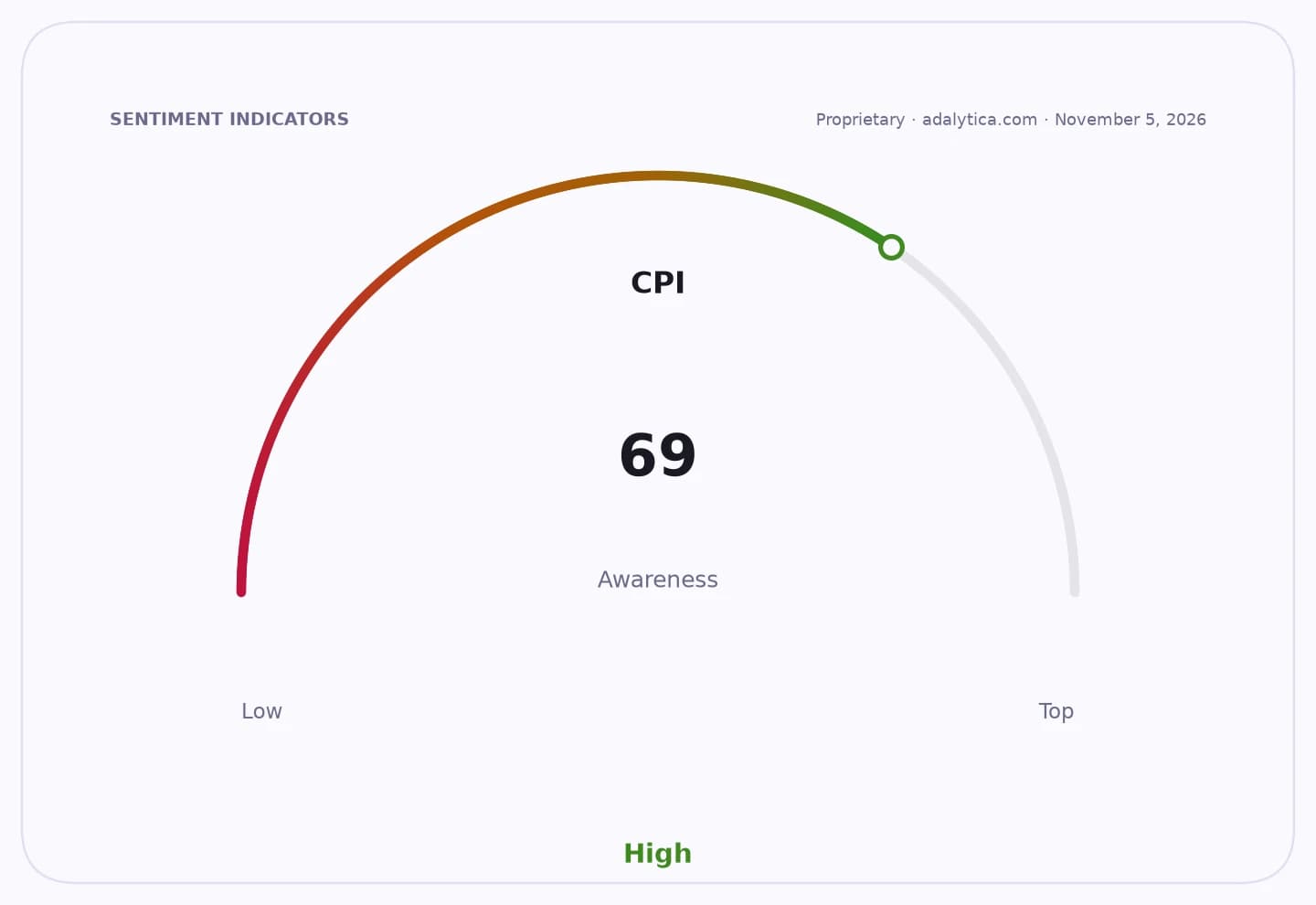
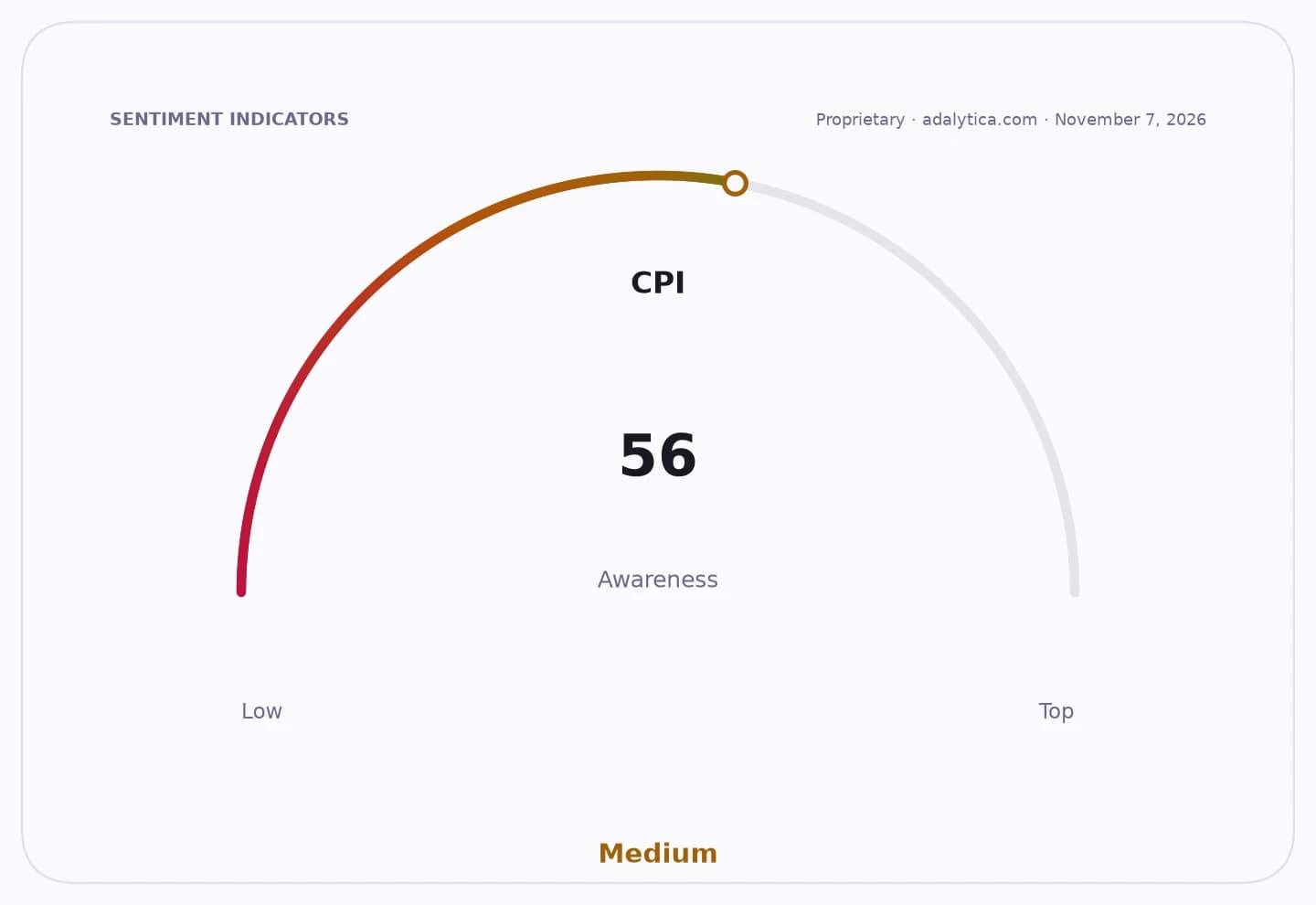
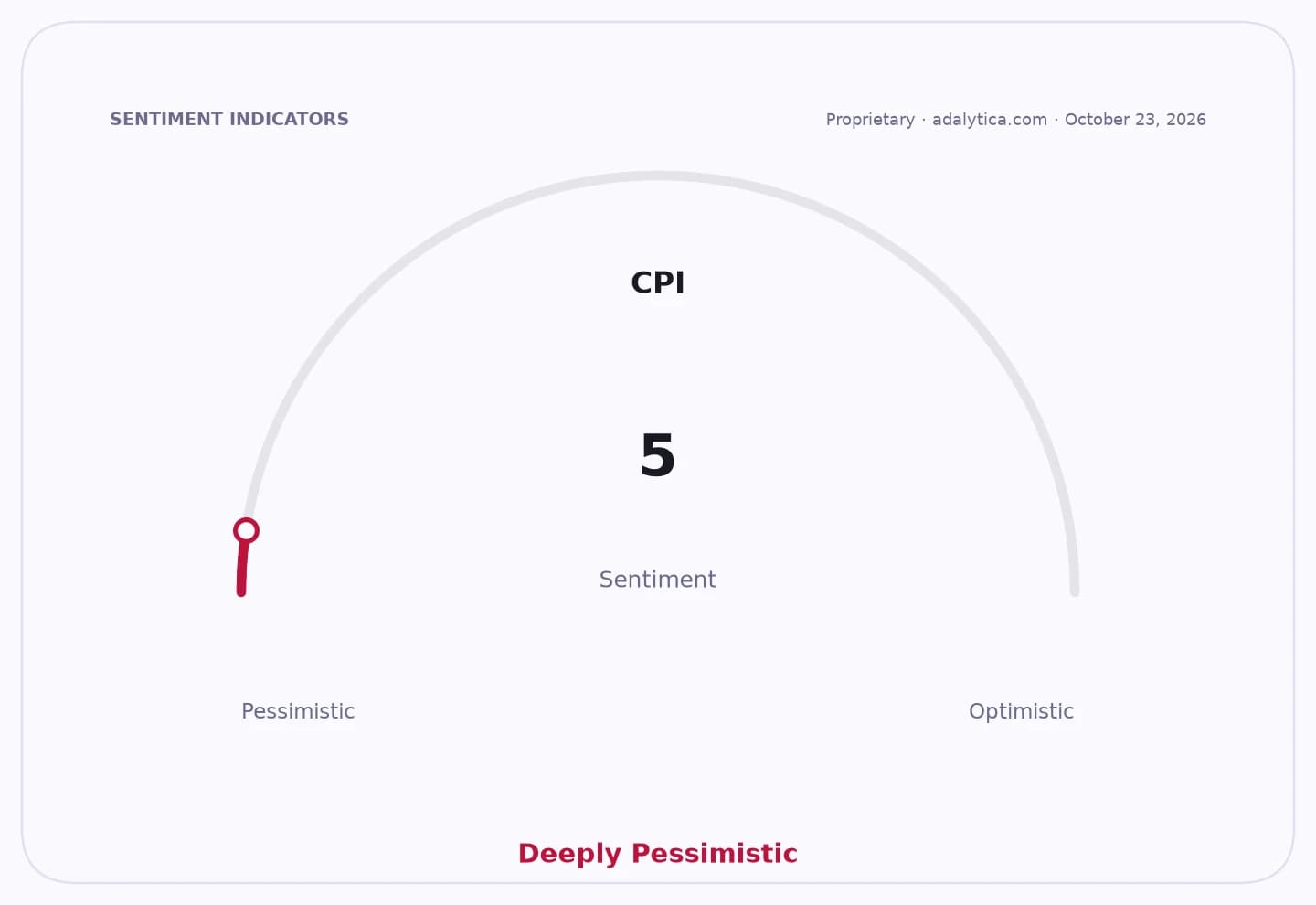
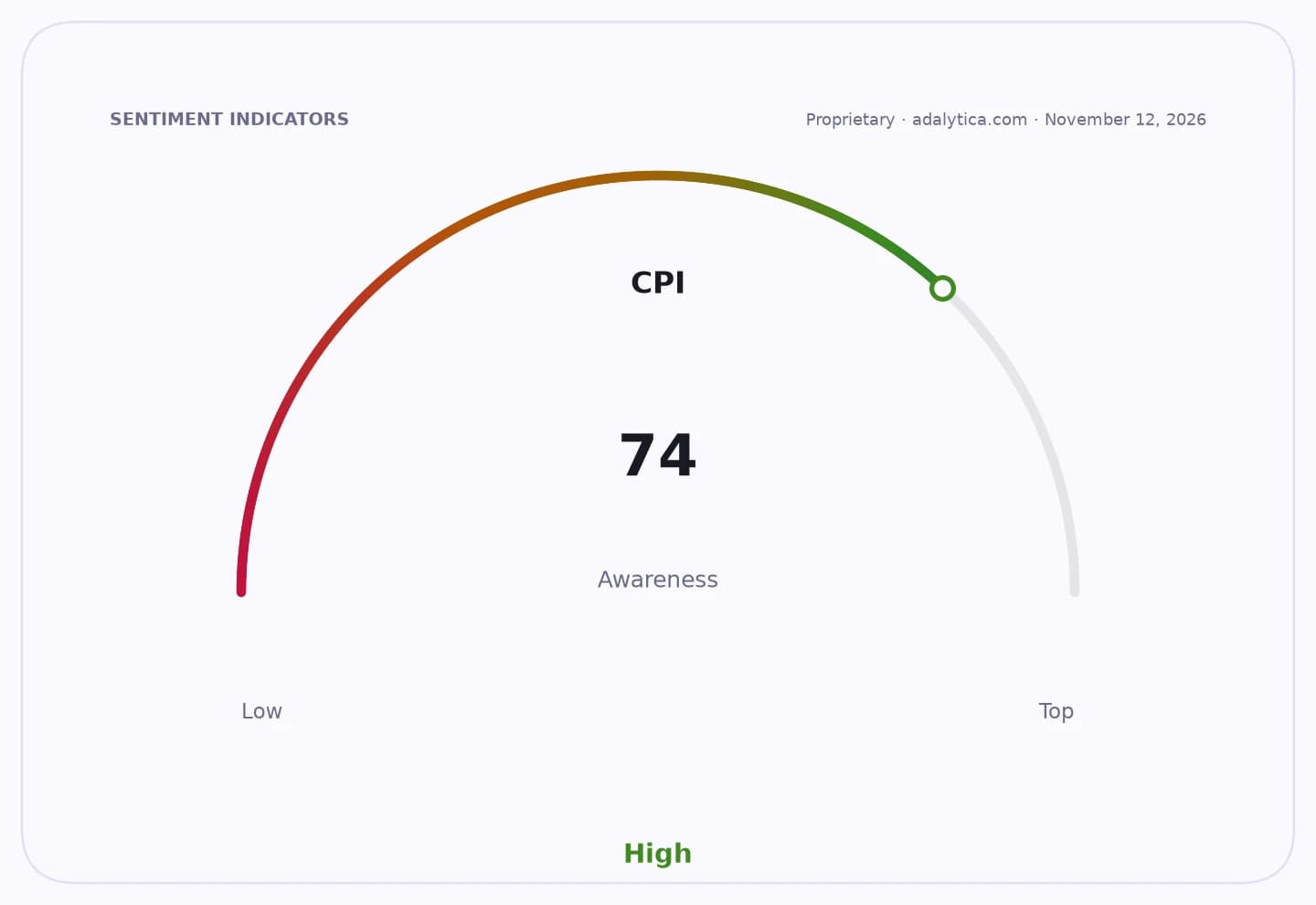
Mentions of “inflation” or “inflationary” on S&P 500 earnings calls reached 820 in October, the highest monthly total since February 2024 and a sign that companies from industrials to consumer staples are once more treating rising costs as a central risk rather than a passing nuisance. For investors, that matters because it suggests pricing pressure is broadening at the same time the Federal Reserve is weighing how much further it needs to tighten policy to keep inflation in check.
Sentiment Indicators

The latest US personal income and spending data “paints a troubling picture of the US consumer,” according to Bloomberg Economics, with inflation coming in hotter even as income growth fails to keep pace. That combination raises the risk that households pull back just as businesses face higher costs for energy, freight and raw materials, squeezing profits on both ends of the income statement.
Energy prices are a key driver. Soaring oil has fed through to fuel, fertiliser, plastic resin and other inputs, lifting transportation and packaging costs and feeding margin pressure across manufacturing and consumer goods. Industrial companies accounted for a quarter of all October references to inflation, reflecting the hit from logistics and energy expenses.
CPIAUCSL vs CPILFESL — macro contextadalytica.com
Explore this data interactively — full history, time series and cross-market comparisons.
CPI
Lennox International was among the most vocal, with chief executive Alok Maskara warning that “inflationary pressures” would continue, particularly from tariffs, components and commodities. PPG Industries said it expects to lean on price increases to offset the pressure, though chief executive Timothy M. Knavish cautioned against assuming inflation would be an immediate tailwind, with raw materials costs still rising.
The problem is no longer confined to producers. General Motors expects a US$2 billion headwind in 2026 from higher commodity, logistics and memory prices, while spice maker McCormick said elevated freight costs and softer consumer spending remain a drag. Even banks are talking about it again: Wells Fargo chief executive Charles W. Scharf said inflation and higher rates continue to weigh on both consumers and commercial clients.
That is economically important because it points to a late-cycle squeeze: companies are paying more for inputs at the same time the consumer is showing signs of fatigue. If firms are forced to absorb more of those costs rather than passing them on, margin pressure will intensify. If they raise prices, demand could weaken further.
The market backdrop reflects that tension. The Consumer Staples Select Sector SPDR Fund has held up better than more cyclical parts of the market, while technical indicators on the broader S&P 500 point to strong near-term momentum, but the renewed inflation narrative could complicate that rally if bond yields climb and the Fed signals a tougher stance. US 10-year Treasury yields are already elevated, and a hotter inflation pulse increases the odds that monetary conditions stay tight for longer.
| Entity | Gains | Losses |
|---|---|---|
| Energy producers | ▲Higher crude-linked revenues | ▼Broader economy via cost pressures |
| Consumer staples pricing power names | ▲Ability to raise prices | ▼Volume growth if shoppers pull back |
| Industrials and manufacturers | ▲None materially | ▼Input, freight and tariff costs |
| Consumers | ▲Short-term benefit from stable wages if any | ▼Higher prices and weaker purchasing power |