New York’s soaring living costs are shaping the US midterm fight, with voters set to judge Democrats and Republicans alike on whether either party can make daily life more affordable.
New York affordability shapes US midterm vote
CPI
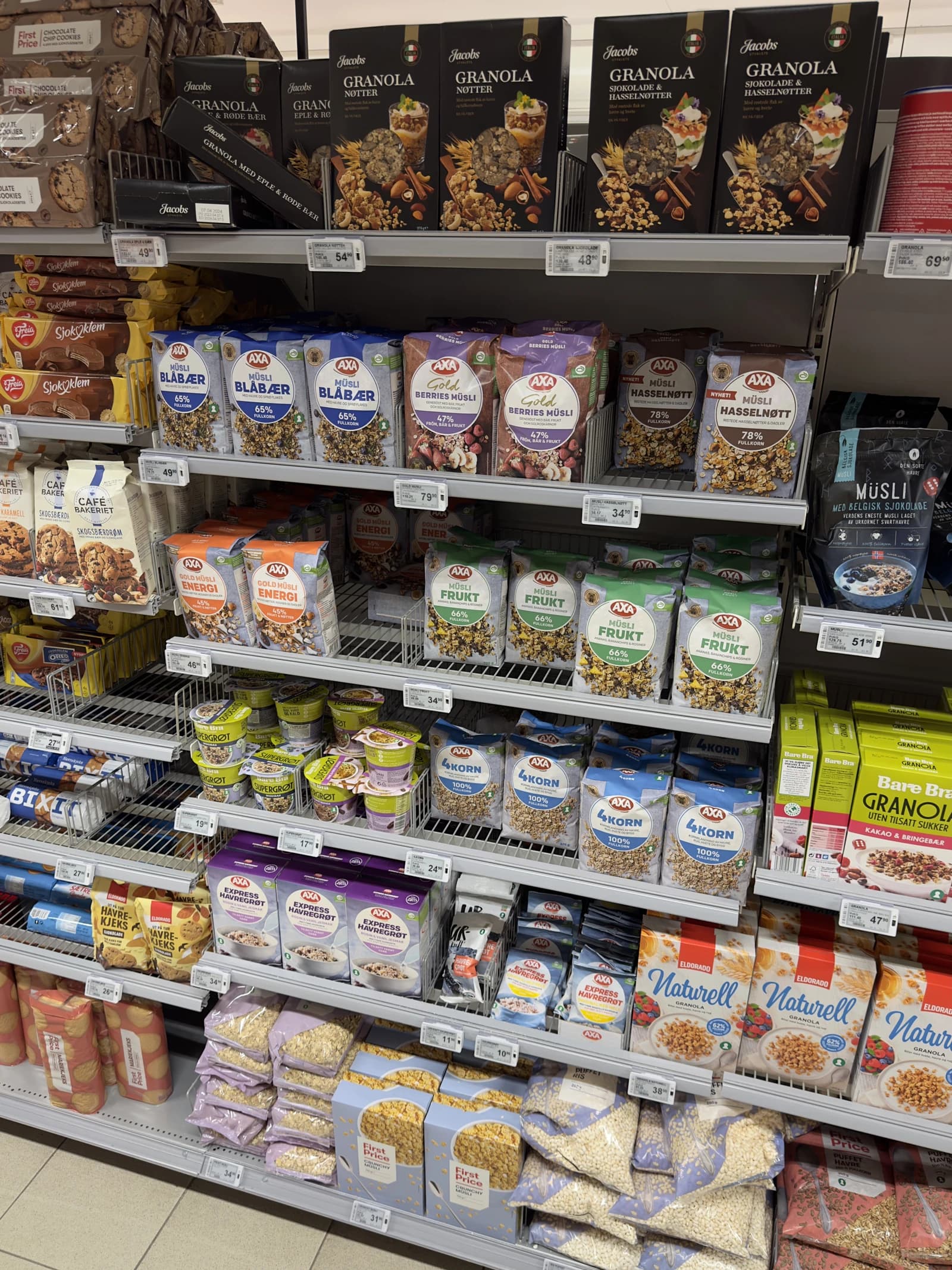
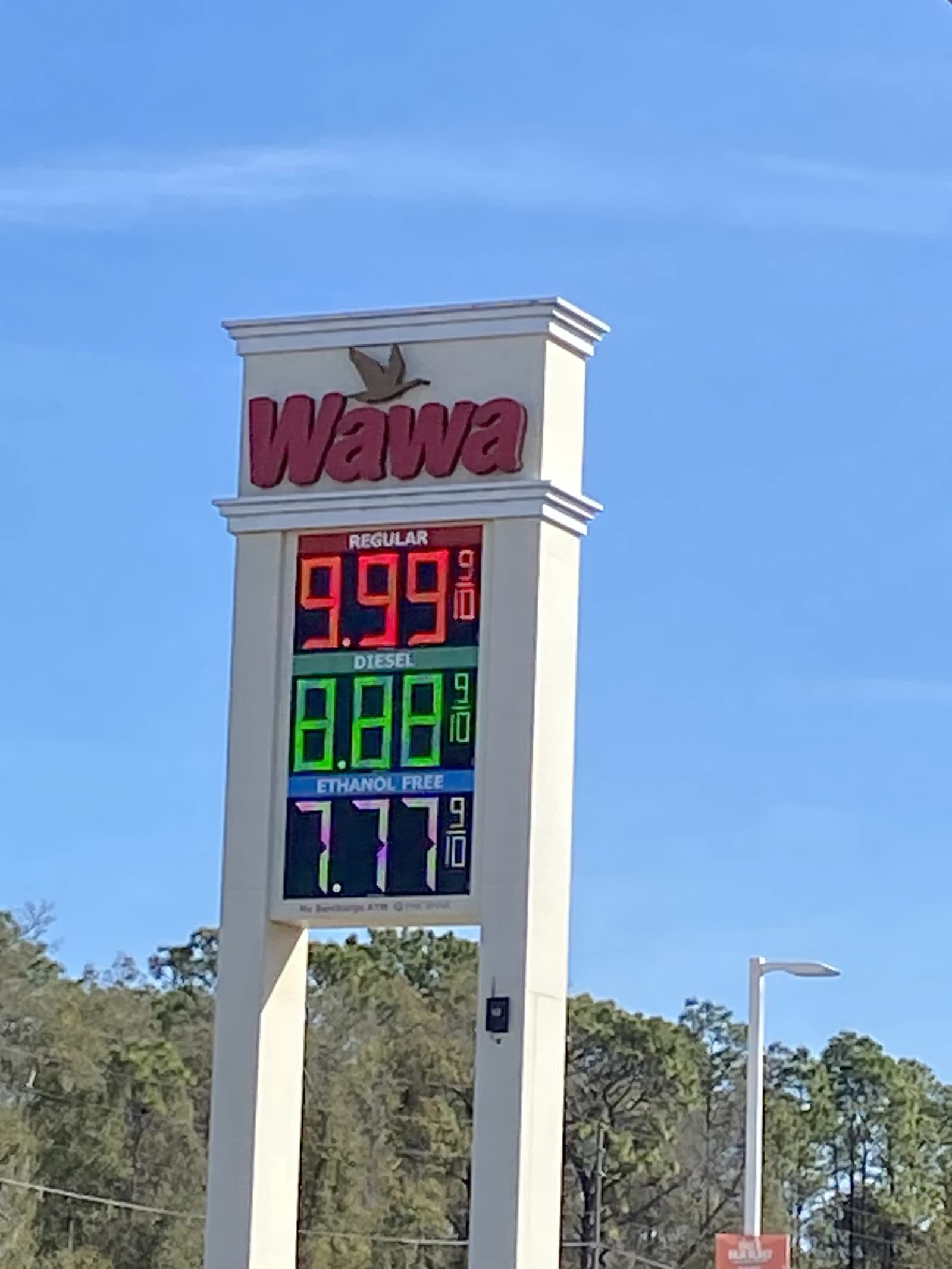
The issue has become especially potent in a city where a simple meal can top 2,500 yen and gasoline on Manhattan’s streets is still running at $5.89 a gallon, even after easing from recent highs. For households already strained by rent and other necessities, the pitch on “ease of living” has eclipsed more traditional campaign themes.
Sentiment Indicators
That pressure is broader than New York. More than 58 million Americans had already voted early as of Nov. 2, nearly 30% above the prior midterm pace, underscoring how intensely inflation and household budgets are driving turnout. Food insecurity remains acute in New York City, where more than one in six residents is said to lack reliable access to enough food, forcing many to rely on food banks.
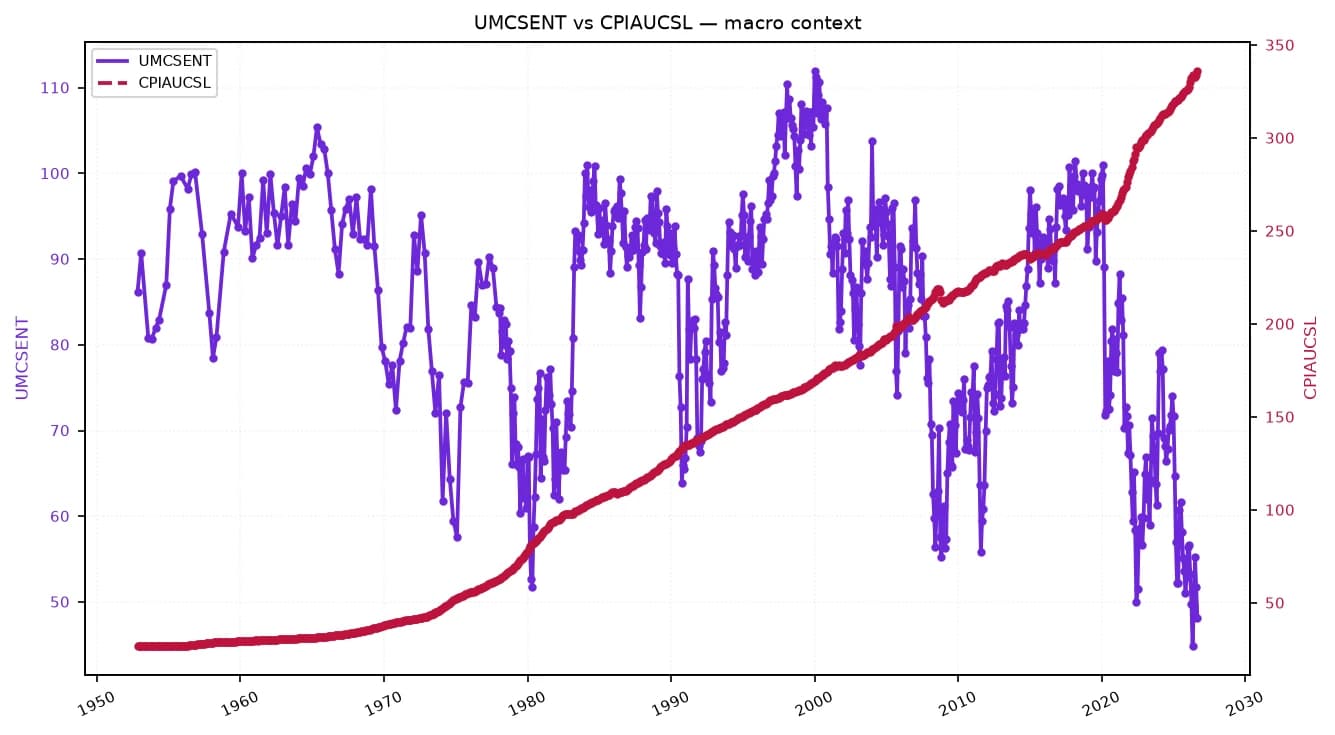
The economic backdrop helps explain why affordability has become a political test. US consumer prices remain elevated, with the latest headline CPI at 336.298 in September and core CPI at 338.896, showing that price pressures are still running well above pre-pandemic norms. The 10-year Treasury yield at 4.95% also points to financing costs that remain restrictive for consumers, businesses and governments.
For investors, the stakes go beyond election-night headlines. A voter backlash against inflation can shift the balance of power in Congress and alter the outlook for taxes, spending, regulation and trade, all of which feed into margins and sentiment across consumer, retail and rate-sensitive sectors. Companies selling household staples, grocery chains and gasoline retailers are likely to face continued scrutiny over pricing, while policymakers may come under pressure to show progress on costs rather than growth.
With polling beginning across the US and results expected to reveal how much weight voters place on day-to-day living standards, affordability is emerging as the clearest economic mandate of the election.
| Entity | Gains | Losses |
|---|---|---|
| Democrats | ▲If voters blame Republicans for prices | ▼If inflation stays the dominant issue |
| Republicans | ▲If turnout favors anti-incumbent sentiment | ▼If affordability remains a Democratic attack line |
| Consumers | ▲Political focus on lower prices | ▼Continued pressure from high food and fuel costs |
| Grocery and energy firms | ▲Potential demand stability | ▼Margin pressure and pricing backlash |