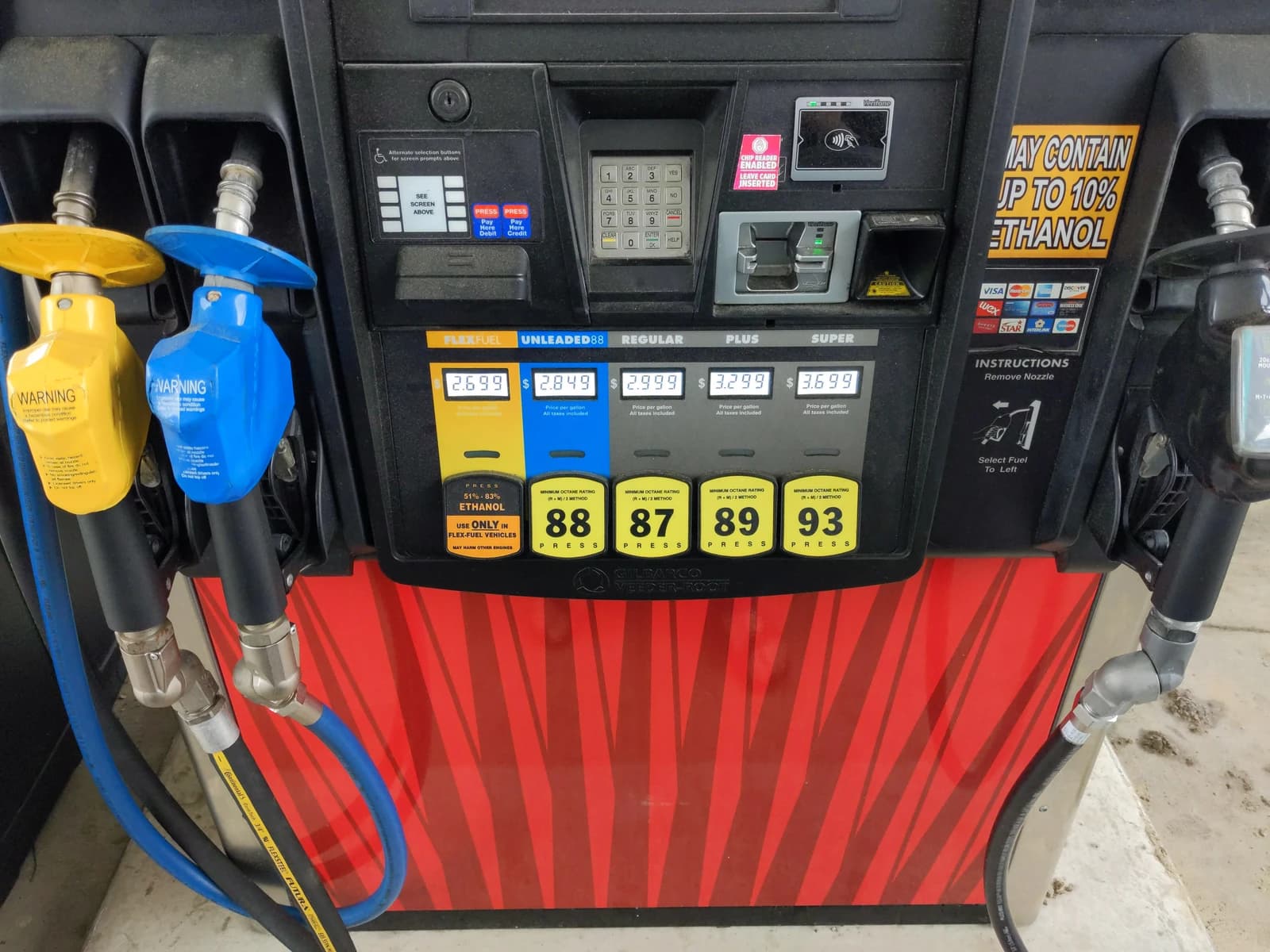
US drivers hit the polls with gasoline above $4 a gallon for the first time on a November election day, underscoring how fuel costs kept inflation and the cost of living at the center of the vote.
US Gas Prices Hit $4 on Election Day
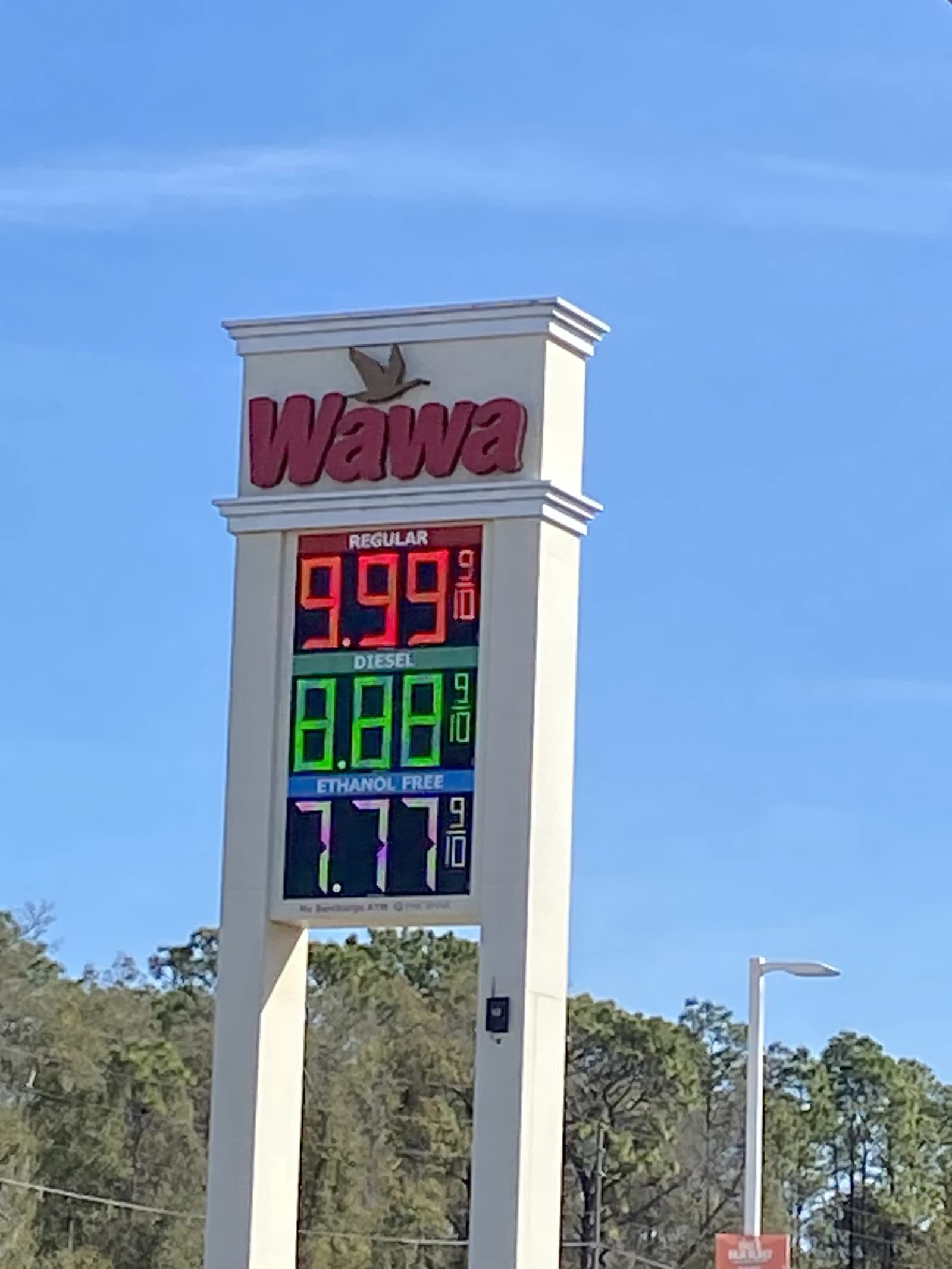
The national average reached $4.13 a gallon at 10 a.m. in New York, according to GasBuddy, the highest ever for Nov. 3 and above any prior election-day reading, including 2022 when prices hit a record. Diesel was even more painful: AAA put the national average at $6.29 a gallon on Nov. 2, just 24 cents below its all-time high and also a record for an election day.
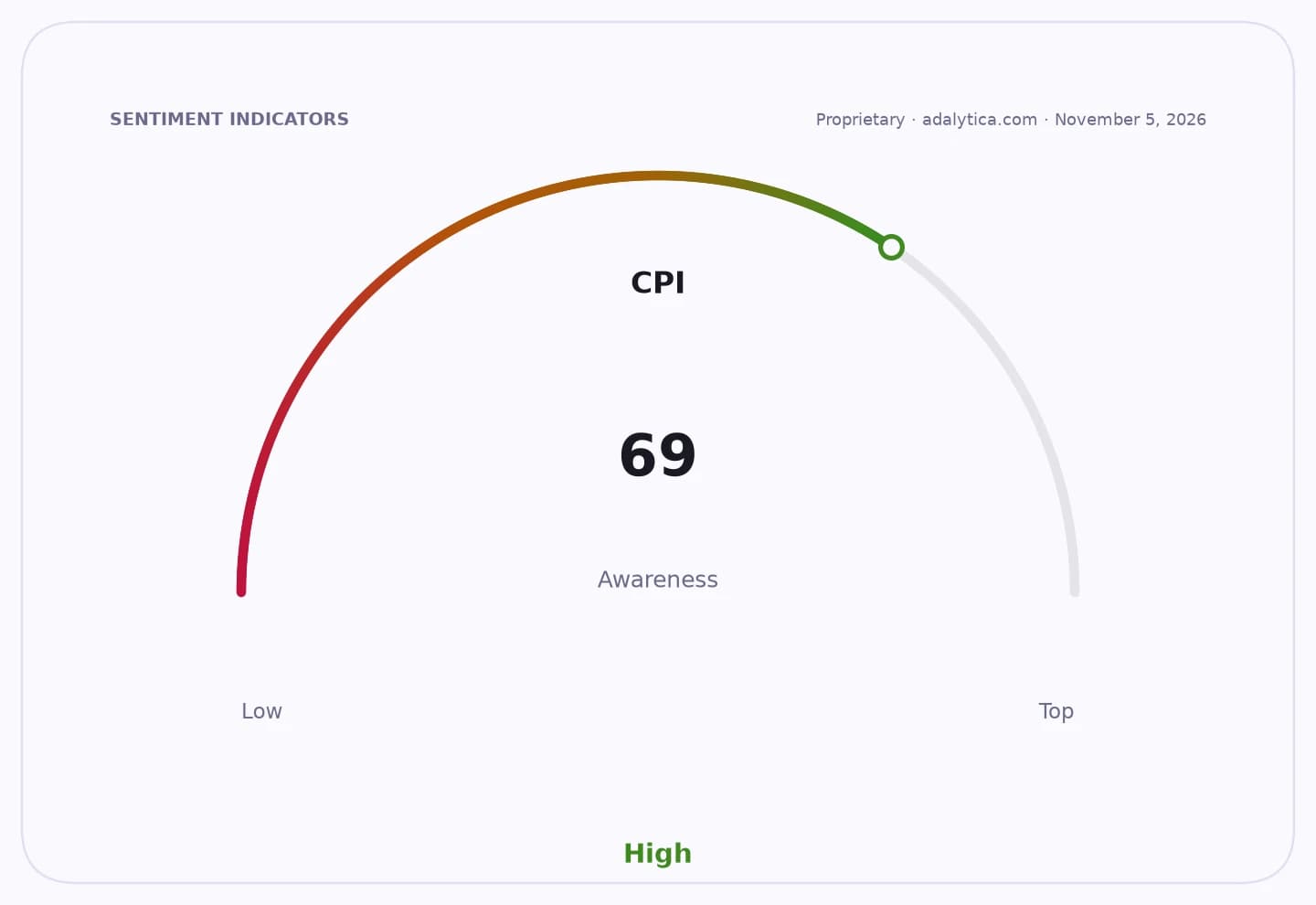
Sentiment Indicators
Oil WTI
The political significance is immediate. Gasoline remains one of the clearest and most visible gauges of household inflation, and a $4 handle at the pump is still a psychological trigger for voters even if inflation-adjusted prices are below 2022 peaks. Democrats have leaned on the price of fuel to argue that the cost-of-living squeeze favors their case, while Republicans, including former President Donald Trump, have blamed foreign conflicts and energy policy and said prices would fall if wars ended.
The economic backdrop is a tight global fuel market. GasBuddy said the latest spike reflects continued disruption in oil transport and refining, with the context of war involving the US and Iran, Ukrainian drone attacks on Russian refineries and export restrictions from China all feeding supply concerns. US gasoline inventories remain well below seasonal norms, while diesel stocks are at their lowest for this time of year, just as harvest demand and the start of the winter heating season overlap.
Oil WTI
Crude prices were also under pressure around the election, with US oil benchmark USO trading near a 1-day drop and technical readings pointing to softer momentum, even as fuel prices stayed elevated at the retail level. Adalytica’s oil trade snapshot showed neutral sentiment, suggesting traders were not pricing in a fresh supply shock even as the pump-price story dominated politics.
For investors, the key is that high retail fuel prices can keep inflation politically sensitive and prolong pressure on policymakers, refiners and fuel distributors. Any easing in crude or refinery margins could cool gasoline prices into year-end, but for now the election has made energy affordability a live political and market issue again.
| Entity | Gains | Losses |
|---|---|---|
| Democrats | ▲Cost-of-living attack line | ▼Risk if prices stay elevated |
| Republicans | ▲Blame inflation and energy policy | ▼Voter backlash over fuel costs |
| Oil refiners | ▲Strong pump prices | ▼Political scrutiny and margin pressure |
| US consumers | ▲— | ▼Higher commuting and diesel costs |