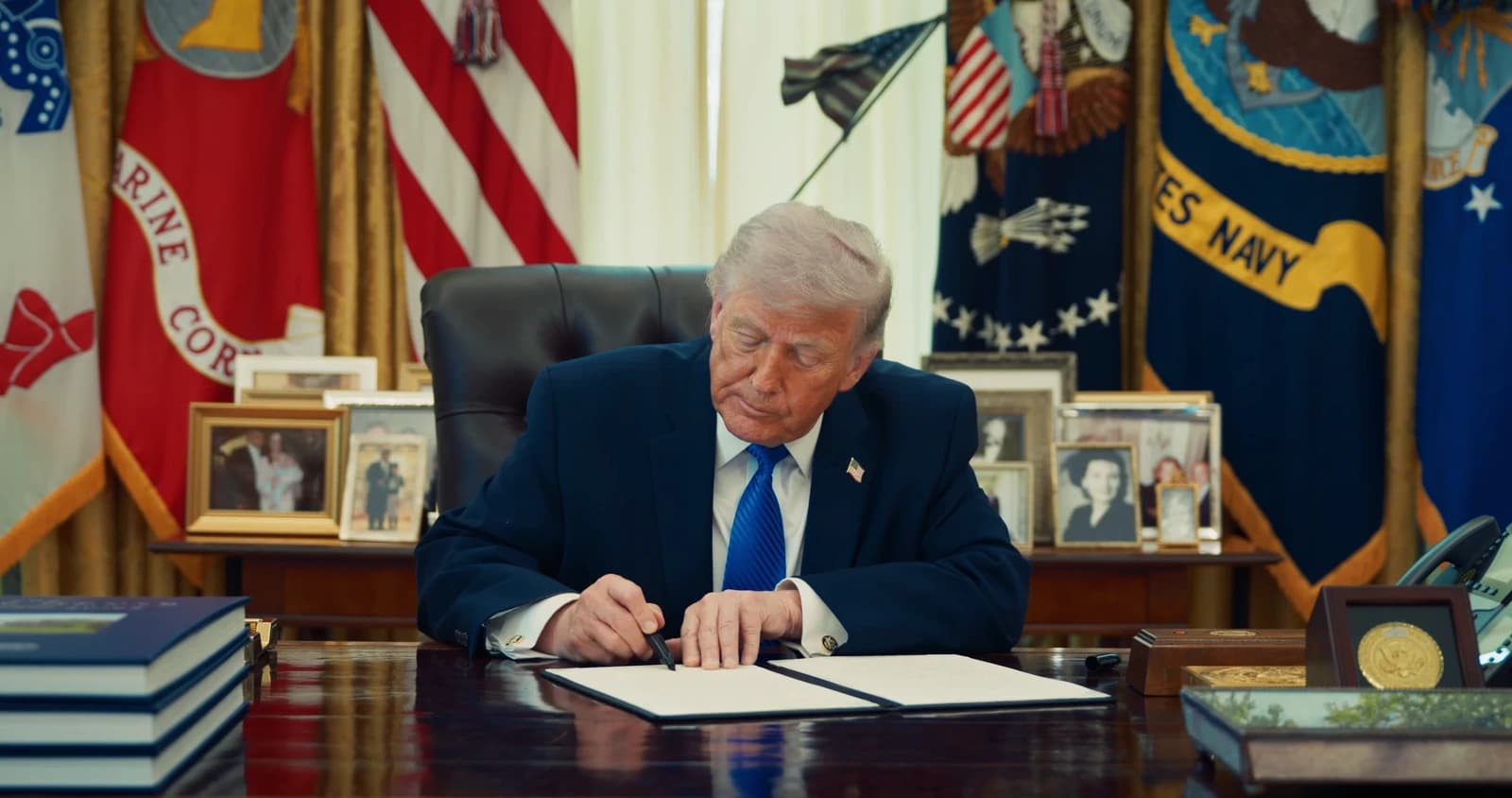
Donald Trump closed his final campaign rally before the midterm elections by talking mostly about urban beautification and a Washington monument project, leaving inflation — the issue that has dominated voters’ concerns — largely untouched.
Trump Rally Ignores Inflation Before Midterms
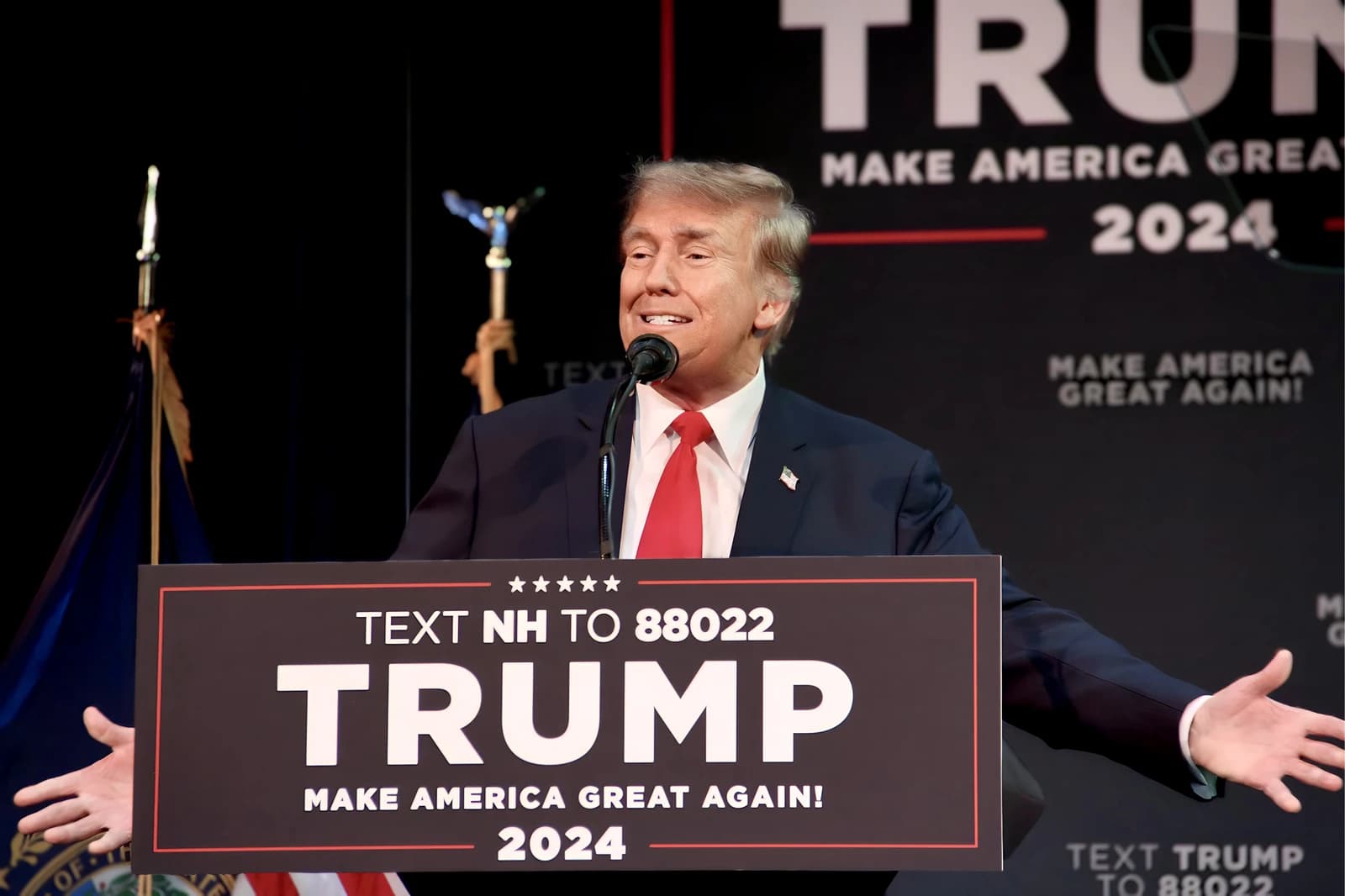
That mismatch matters because the election is being fought in an economy where prices, household costs and energy bills are still doing the heavy lifting in deciding which party controls Congress. Reuters/Ipsos polling completed Nov. 2 showed Trump’s approval stuck at 32%, near a record low, while 46% of respondents wanted Democrats to control Congress versus 38% for Republicans. Among registered independents, half said their vote was meant as a rebuke to Trump, underscoring the political risk of a closing message that did not lean into pocketbook pressures.
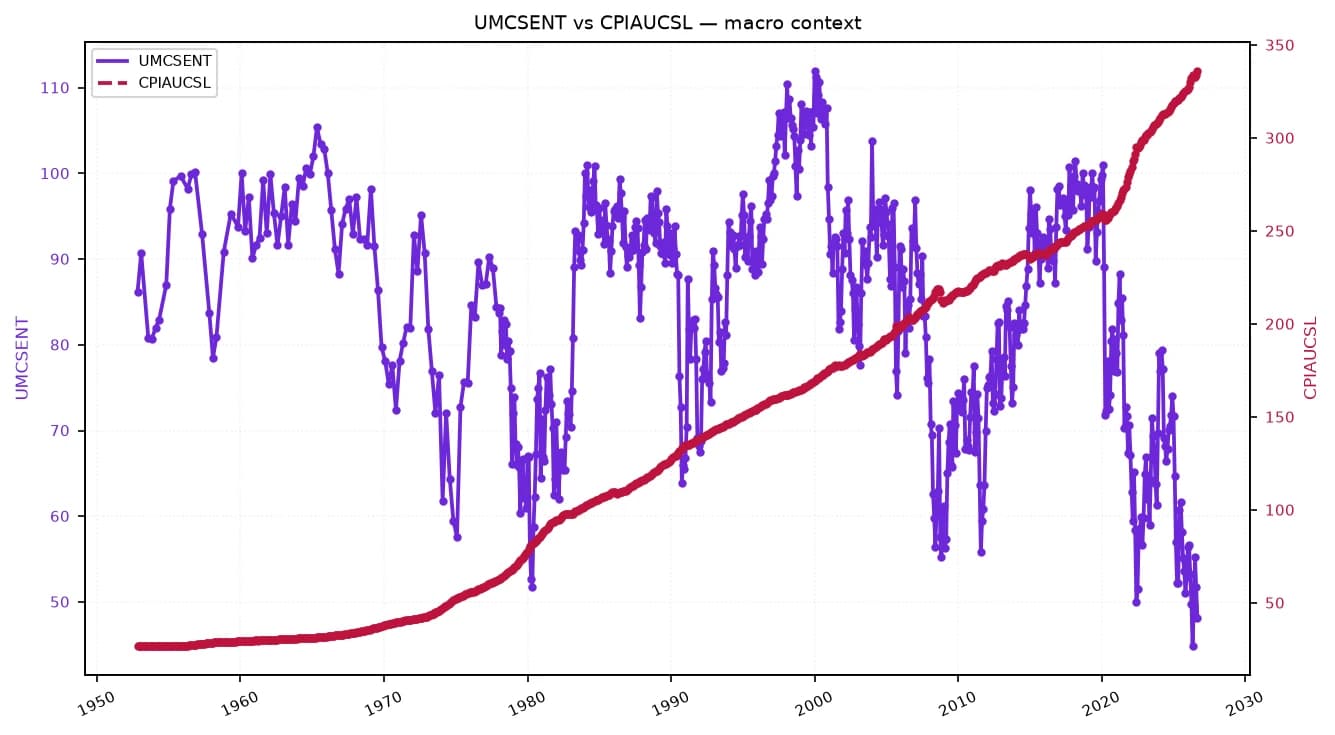
Sentiment Indicators
The speech, delivered at Washington’s Reflecting Pool, came less than 24 hours before polls opened in a race widely expected to hand Democrats the House and potentially the Senate. Republicans hold 53 of 100 Senate seats, meaning Democrats need four gains for control. If they succeed, Trump could face a hostile legislature, oversight hearings and a stalled domestic agenda. For markets, that would raise the odds of policy gridlock, but also of a sharper focus on fiscal discipline, tariffs and regulatory fights.
Trump’s choice of topic was notable because cost-of-living concerns remain the dominant electoral force. Reuters said 78% of voters viewed the cost of living as very important or the single most important issue. On that question, Democrats held an edge, 43% to 32%. Fuel prices, which have climbed since the U.S.-Iran conflict began in February, were cited as a particular weak spot for Republicans.
The contrast between the speech and the polling helps explain why investors should care. A Trump-led campaign still has the power to shape fiscal rhetoric, trade policy and sector-specific regulation, but it is the economic backdrop — inflation, consumer stress and energy costs — that is most likely to determine the composition of Congress and the path of policy next year. If Democrats overperform, the market may interpret it as a check on Trump’s agenda; if Republicans hold up better than expected, it would suggest that voters were less focused on prices than current surveys indicate.
The broader market context is one of heightened sensitivity to political risk. Equity sentiment on the S&P 500 remains neutral on Adalytica’s gauge at 57, while awareness is elevated at 83, suggesting investors are paying close attention to the election outcome. With early voting already at a record more than 57 million ballots, the final result will likely be read as a verdict not just on Trump, but on whether economic anxiety still outweighs cultural and messaging issues in the U.S. political economy.
| Entity | Gains | Losses |
|---|---|---|
| Democrats | ▲House/Senate control prospects | ▼Trump’s legislative agenda |
| Republicans | ▲If turnout surprise narrows losses | ▼Congressional majority status |
| Trump campaign | ▲Base enthusiasm on non-economic themes | ▼Voters focused on inflation |
| Consumers | ▲Potential policy attention to living costs | ▼Little immediate relief from prices |