President Donald Trump’s White House is drawing up a fallback plan to keep advancing his agenda through executive power if Democrats win control of Congress, a shift that would reshape Washington’s policy fight even if it does little to slow the president’s current governing style.
Trump White House Plans Executive Actions After Midterms
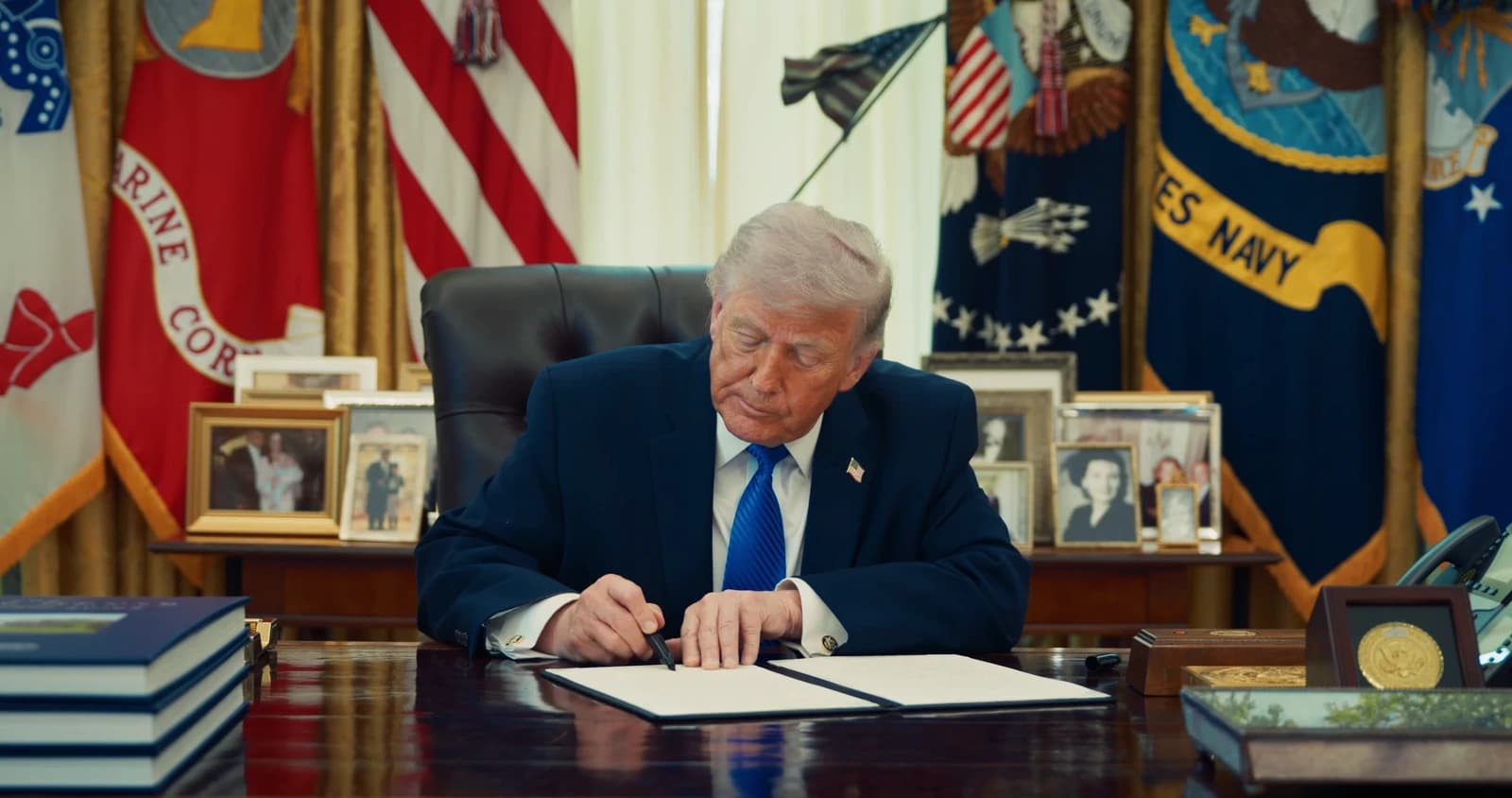
The planning underscores a central market and policy risk: a divided government may not produce the normal legislative check on a president who has already shown he is willing to lean heavily on unilateral authority. For investors, that means the main policy variables on trade, immigration, federal spending and parts of the housing agenda could remain in play regardless of the midterm outcome, but the path would increasingly run through executive orders, agency rulemaking and courtroom challenges rather than new laws.
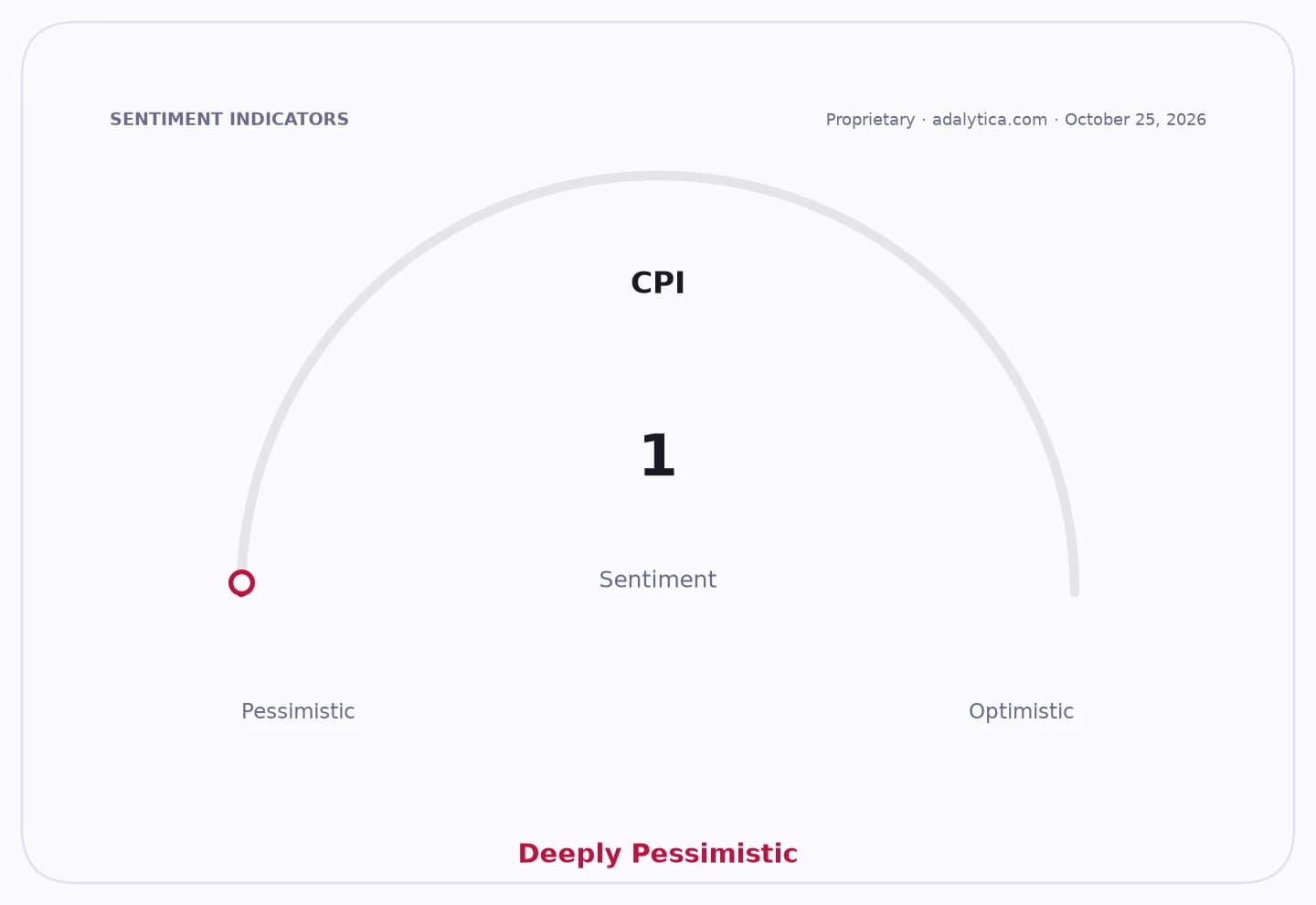
Sentiment Indicators
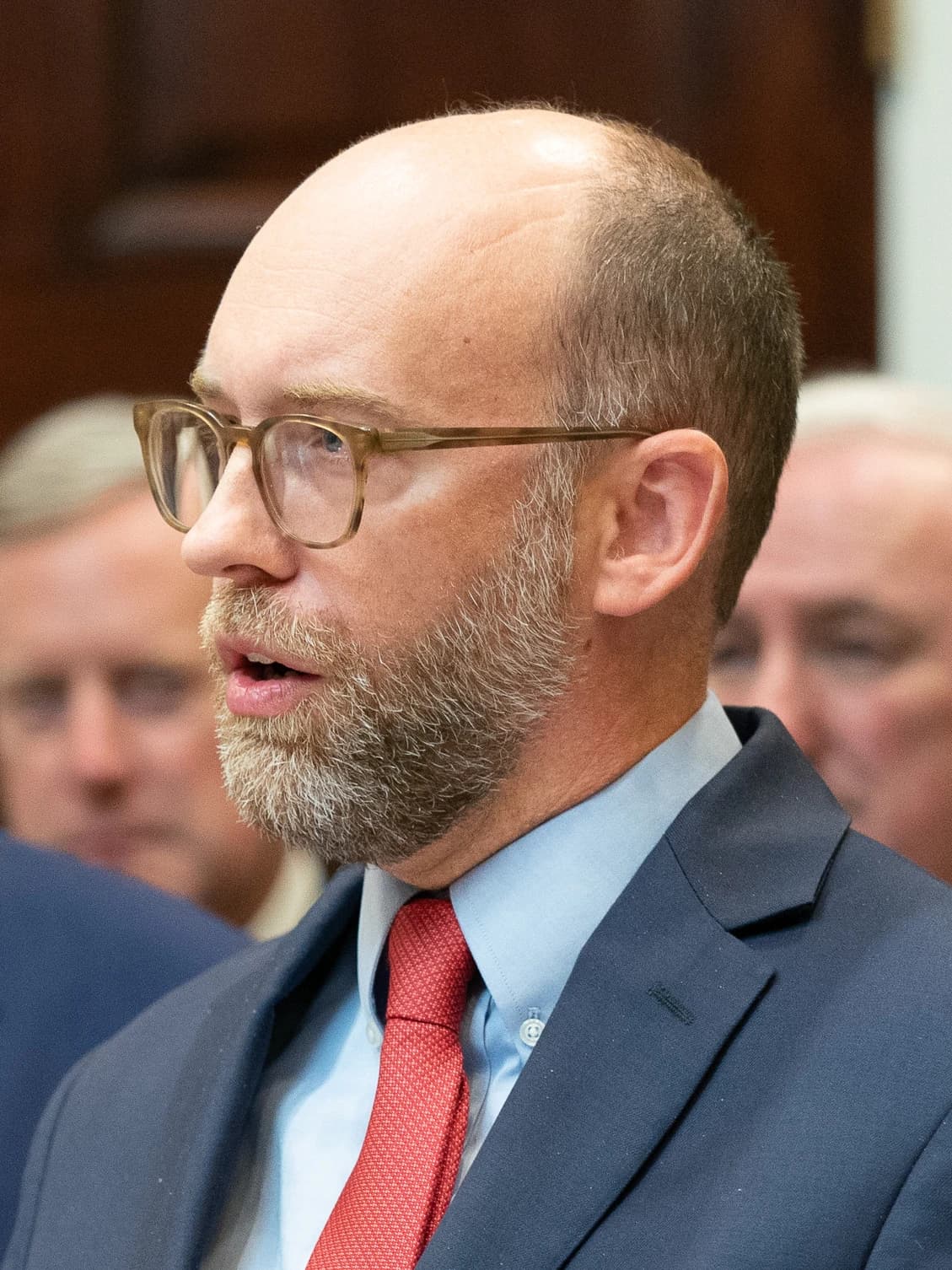
According to Reuters, senior aides including Stephen Miller and budget director Russell Vought have spent months working with the White House counsel’s office and Justice Department lawyers to identify actions Trump could take without Congress. The list includes possible tariffs on imported minerals and wind turbines, tighter visa rules for foreign students and temporary workers, and measures aimed at lowering housing and construction costs. That suggests the administration is preparing not just for political gridlock, but for a 2027 policy environment in which the president tries to preserve momentum while Congress is hostile or obstructive.
The stakes are material for the broader economy. Tariffs on minerals and turbines would feed directly into supply chains tied to manufacturing, construction and renewable energy, with potential knock-on effects for input prices, project economics and capital allocation. Tightened visa rules could add pressure to sectors that rely on foreign labor and international students, from higher education to technology and healthcare. Measures to curb housing costs could support affordability, but any broad federal intervention would need to survive legal scrutiny and could unsettle builders, lenders and landlords if implemented piecemeal.
Trump has already spent much of his second term stretching the boundaries of presidential power, using emergency declarations, executive orders and agency action to move on tariffs, immigration enforcement, federal staffing and foreign policy without waiting for Congress. That history matters because it reduces the odds that a Democratic House or Senate would automatically produce a policy reset. Instead, investors may face a prolonged period in which headline risk remains high but institutional checks are slow and uneven.
The market reaction so far reflects that tension rather than a clean directional bet. The S&P 500, tracked by SPY, has pulled back to $755.72 after touching $772.31 a day earlier, while the ETF’s RSI has slipped to 34.3 from overbought levels earlier in the year, suggesting momentum is fading but not yet broken. The dollar has also softened in Adalytica’s trade signals, with sentiment at 17, even as awareness remains elevated, a sign that traders are watching policy and election risk closely but have not fully repriced the outlook.
Trump’s political position matters because it will determine how much leverage he has over Congress, courts and agencies. Democrats would need to gain at least four House seats and take the Senate to fully block his agenda, but polling suggests the House is within reach. If that happens, Democrats could stall nominees, launch investigations and slow legislation, but they would not necessarily be able to stop a president determined to govern through unilateral action.
That makes the election less a referendum on whether Washington becomes functional and more a test of where power flows when legislation fails. For investors, the key question is whether the next phase brings sharper policy reversals, a more aggressive use of tariffs and immigration controls, or simply a continuation of the same high-volatility, low-consensus governing style that has already become a defining feature of Trump’s White House.
| Entity | Gains | Losses |
|---|---|---|
| Trump White House | ▲More unilateral control | ▼Legislative room for compromise |
| Democrats in Congress | ▲Oversight power and investigations | ▼Ability to block executive action |
| Importers and renewable developers | ▲Potential relief if tariffs stall | ▼Higher costs if new tariffs hit |
| Housing and labor-sensitive sectors | ▲Clarity if rules stay unchanged | ▼Cost pressure from tighter visa policy |