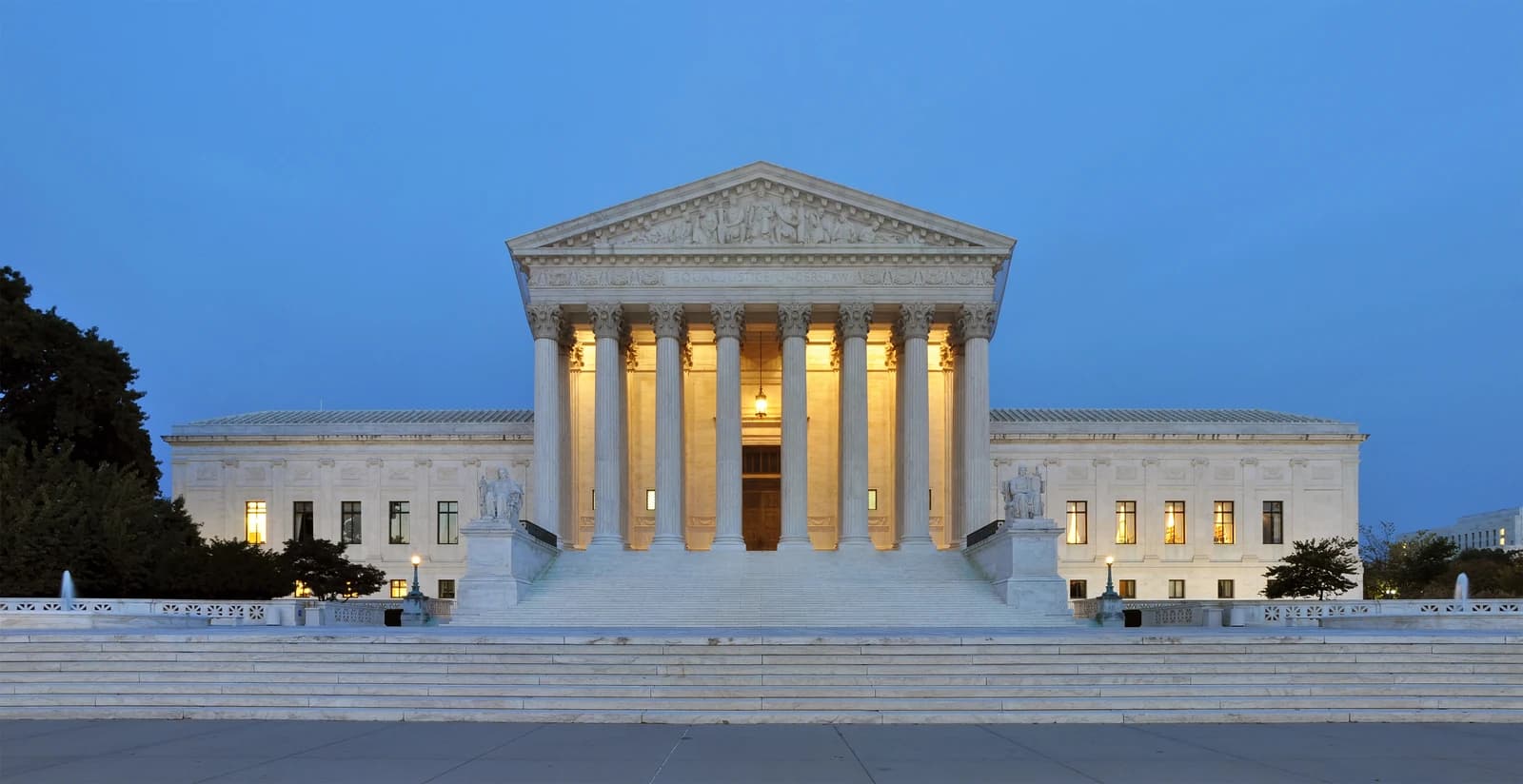
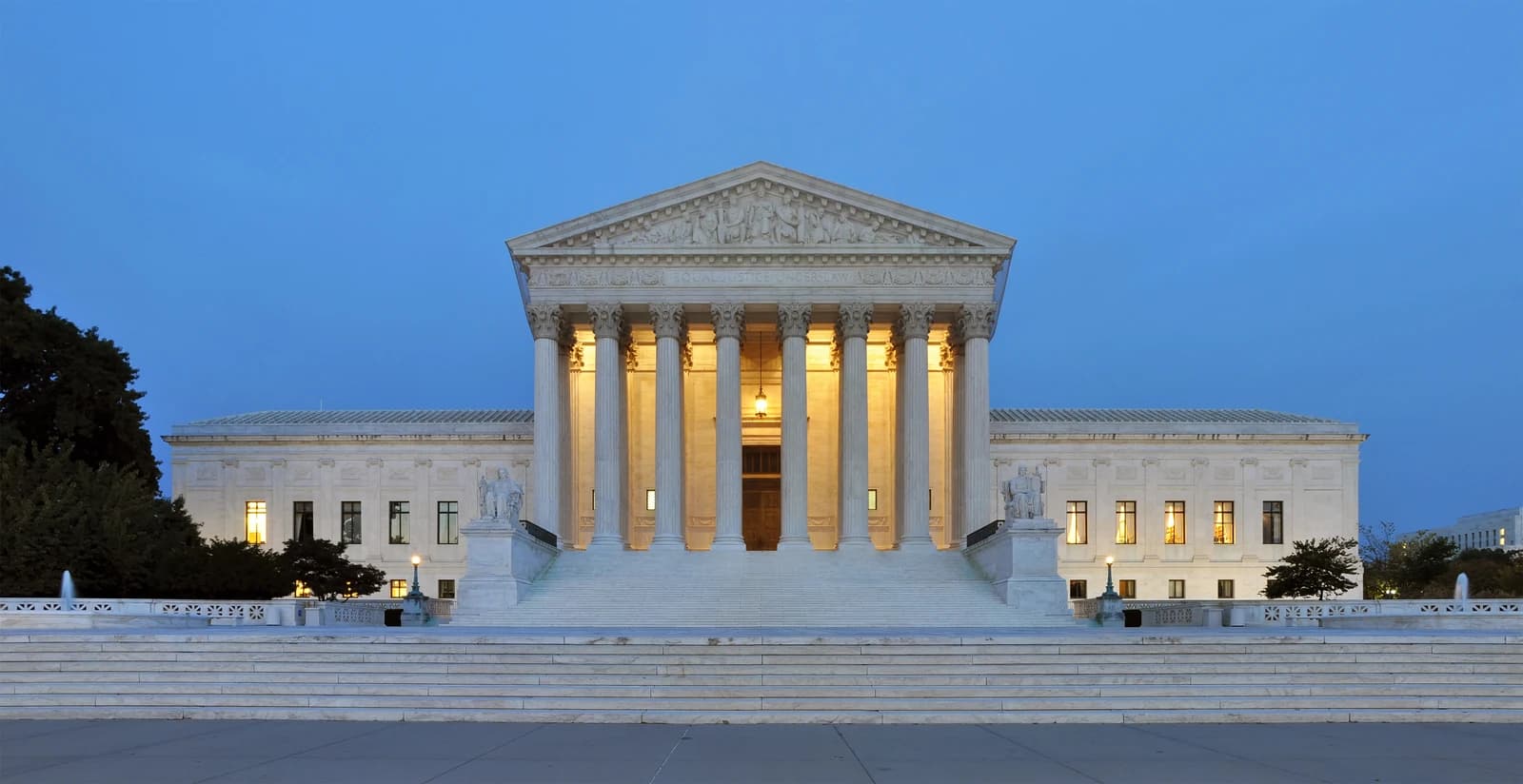
The US Supreme Court has become one of the most important forces in the 2026 midterm fight, tilting the legal terrain in ways that could help Republicans defend their narrow congressional majorities and shape how votes are cast and counted.
Supreme Court Shapes 2026 Midterm Battle
That matters because control of the House and Senate hinges on just a handful of seats. Democrats need a net gain of four in each chamber to take control, and whichever party wins will determine whether President Donald Trump can advance his legislative agenda or face oversight and investigations from a Democratic Congress.
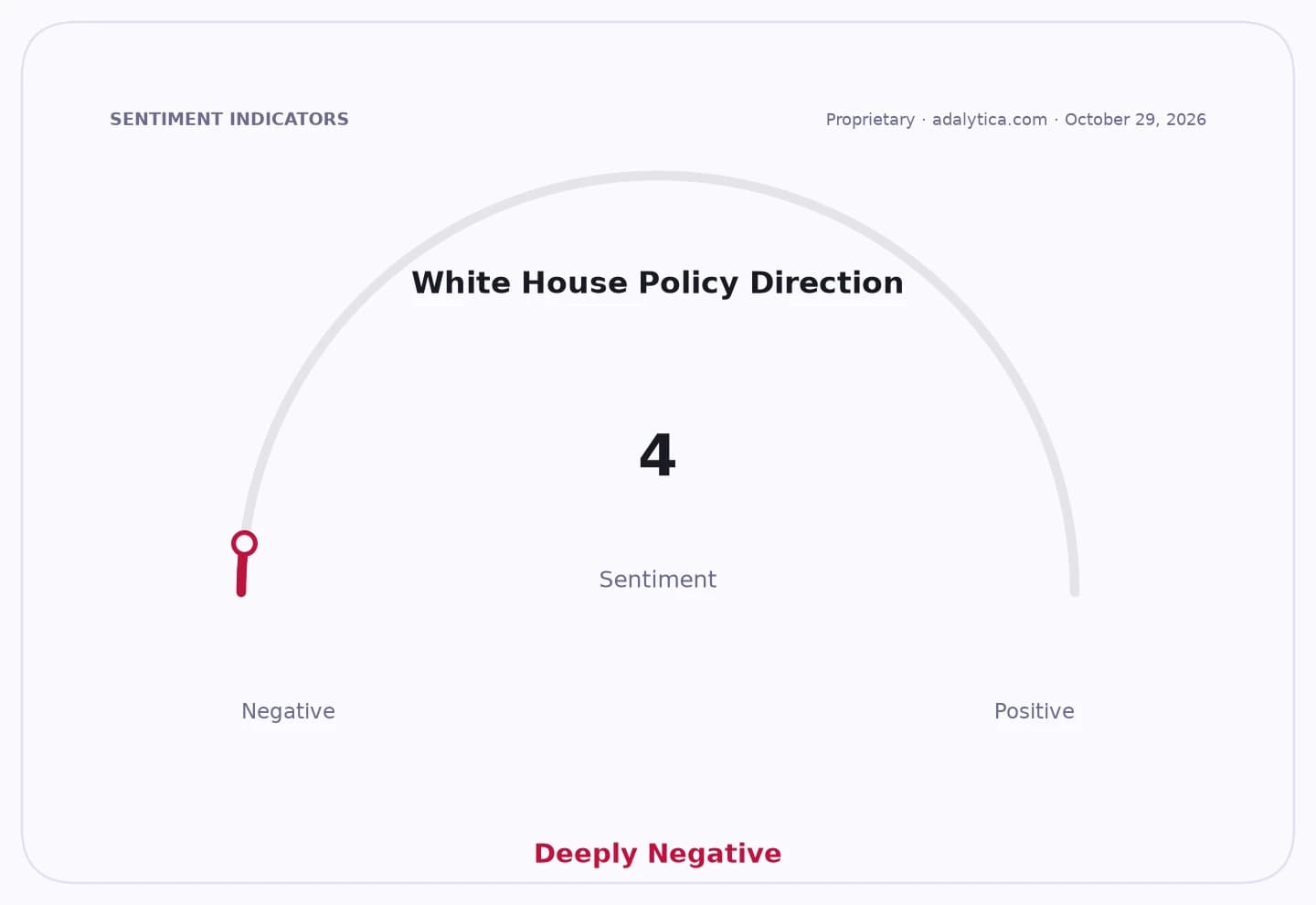
Sentiment Indicators
Congressional Gridlock
The court’s 6-3 conservative majority has already produced a series of rulings that affect the mechanics of the election rather than the headline campaign itself. Decisions this year weakened the Voting Rights Act, making it harder for minority voters to challenge maps they say are discriminatory, and struck down federal limits on coordinated political spending. Together, those rulings have helped Republicans redraw congressional districts and raise money with fewer restraints.
The practical result has been a midcycle redistricting arms race. Republican-led states rushed to rewrite maps after the court opened the door wider to partisan line-drawing, while Democrats responded with their own legal and political countermeasures. The fight has altered the House battlefield in states from Texas to California and makes the 2026 map more favorable to the GOP than it would otherwise have been, even if public polling still suggests Democrats have a credible path to a majority.
Campaign finance is another major beneficiary for Republicans. After the court eliminated caps on coordinated party spending and allowed parties access to discounted advertising rates, Republican committees have moved far more aggressively than Democrats to exploit the new rules. That gives Trump-aligned candidates and committees greater flexibility to flood airwaves in the final stretch of close races, a meaningful edge in a cycle already defined by high turnout costs and intense messaging.
Still, the court has not handed Trump and his allies a clean sweep. It has rebuffed efforts to curb mail voting, blocked Missouri’s pro-Republican map, and allowed California’s pro-Democratic map to stand. Those rulings suggest the court is not simply moving in one partisan direction, but the balance of decisions has nonetheless favored Republicans on the issues most likely to shape the map and the mechanics of voting.
For investors, the broader significance is political risk rather than policy detail. A Republican hold on Congress would reduce the odds of major legislative shifts and keep Trump’s agenda alive, while a Democratic takeover would raise the prospect of investigations and a harder path for the White House. The uncertainty also feeds into market sensitivity around taxes, regulation, spending and deficit policy, which are all likely to remain constrained until the election result is clear.
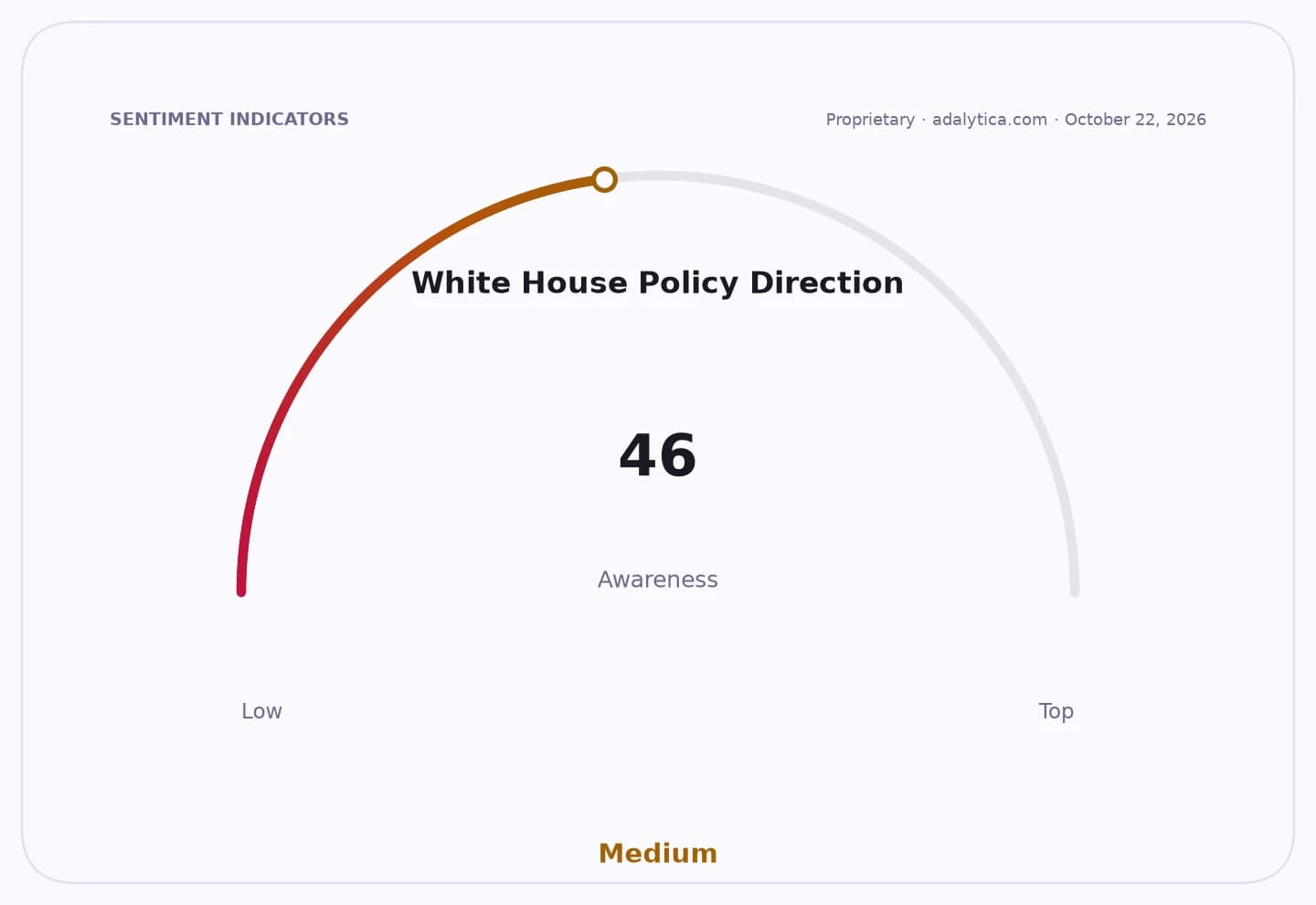
Adalytica’s US Congressional Gridlock Sentiment gauge shows fear even as awareness of the issue remains elevated, reflecting the market’s recognition that the legal and political stakes are unusually high. SPY has held near its 50-day moving average, while TLT’s recent firmness suggests some demand for safety as investors weigh the possibility of postelection gridlock and further litigation.
The most important near-term risk is that the election does not end the legal fight. Trump’s record of contesting unfavorable results, combined with the court’s willingness to hear some election-related disputes and its broader readiness to engage with politically charged cases, raises the odds that counting, certification or redistricting battles could spill beyond Election Day. That means the Supreme Court is not just shaping the midterm battlefield; it may still be asked to decide the outcome.
| Entity | Gains | Losses |
|---|---|---|
| Republicans | ▲More favorable maps, looser spending rules | ▼Vulnerability if turnout underperforms |
| Democrats | ▲Some court checks on voting restrictions | ▼Harder map, tougher fundraising race |
| Supreme Court conservatives | ▲Expanded influence over election rules | ▼Criticism over politicization |
| Investors | ▲Clarity on policy stakes after election | ▼Higher uncertainty and legal risk |